


Southwest Airlines Makes Bold Move: What’s Changing in 2026?
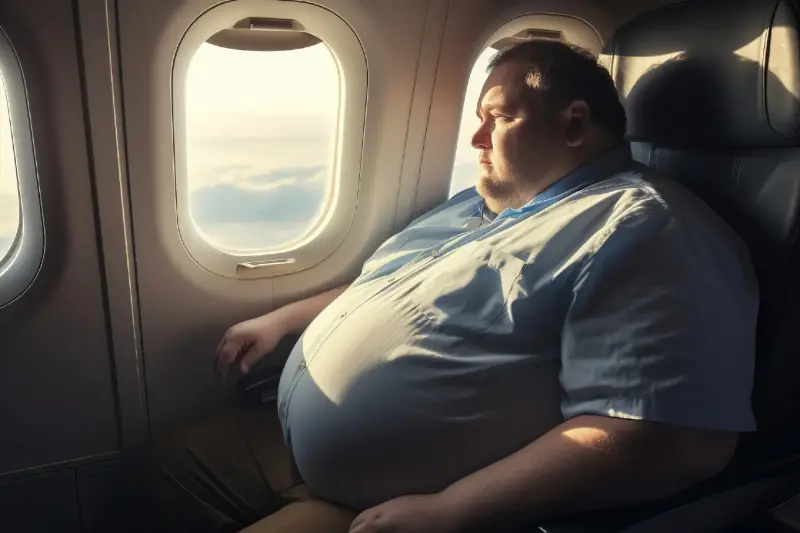
As travel continues to evolve, so do the policies of the world’s largest airlines. Starting in early 2026, Southwest Airlines—one of the United States’ leading low-cost carriers—will introduce a new policy requiring plus-size passengers to purchase an additional seat. It’s a move that’s already fuelling fierce debates, but what does it really mean for passengers? Here’s a detailed look into the facts, the driving reasons, and potential impacts of this attention-grabbing decision.
Why Now? Understanding the Airline’s Motivation
For years, Southwest Airlines has maintained a “Customer of Size” policy, allowing passengers who couldn’t comfortably fit in a single seat to request a second at no extra cost if the flight wasn’t fully booked. This policy was often praised for its sensitivity and flexibility. So why the sudden change?
Southwest cites several factors:
- Rising demand for air travel post-pandemic, which has led to more fully booked flights and less spare capacity.
- Increased fuel and operational costs requiring all seats to be revenue-generating.
- Consistent customer feedback from other travellers seeking guaranteed comfort and space.
Southwest claims the new approach will streamline boarding and seating, with clearer expectations set before passengers arrive at the airport. In a recent statement, a spokesperson said, “We must balance the needs of all our customers. This update ensures fairness and comfort for everyone onboard.”
How Will This Affect Travellers?
Starting in 2026, passengers whose body does not fit comfortably between the armrests—usually defined as a width of about 17 inches—will need to book an additional seat when purchasing their ticket. Cabin crews will no longer be able to issue a complimentary seat at the gate.
Key changes include:
- Upfront transparency—Passengers will be prompted during booking to indicate if they require more than one seat.
- Adjusted pricing—The extra seat will be charged at the standard fare but will qualify for a full refund after travel if the flight wasn’t full.
- Boarding procedures—Plus-size passengers will still be allowed to pre-board to ensure comfort and privacy.
For many, these adjustments may represent a loss of dignity and accessibility. Others see it as a practical solution, recognising the scarcity of space on modern aircraft.
Industry Reactions and Historical Context
Southwest is not the trailblazer here. Airlines such as United, Delta, and American have operated similar policies, though their enforcement and refund nuances vary. Southwest’s previous approach—one of the most generous in the U.S.—garnered strong loyalty from many plus-size passengers.
Notable reactions pouring in from advocacy groups highlight the tension:
- Supporters argue that “every passenger deserves their entitled paid space,” ensuring comfort for all onboard.
- Critics point out that the policy disproportionately affects those with medical or genetic conditions and may exacerbate feelings of exclusion.
Frequent flyers may recall that in 2009, Southwest made headlines after removing director Kevin Smith from a flight for being unable to fit comfortably into a single seat—sparking waves of social media attention and heated debate.
What Does This Mean For the Future of Air Travel?
This policy shift is more than just a rule change. It echoes a wider societal discussion about size inclusivity, personal responsibility, and corporate pragmatism. Travellers may wonder:
- Will other airlines adopt even stricter size policies?
- Could the move prompt innovations in aircraft seat designs?
- How should travel companies support passengers living with obesity while maintaining comfort for all?
For now, Southwest passengers will need to carefully consider their booking choices—and perhaps brace themselves for new conversations about fairness and access at 35,000 feet.
Air travel, much like the world it serves, is always in flux. As we strap in for the journey ahead, one can’t help but wonder: how will these changes shape our experience in the skies and our collective perception of inclusion?