


Dogs Watching TV: Scientific Debate Over Benefits and Risks

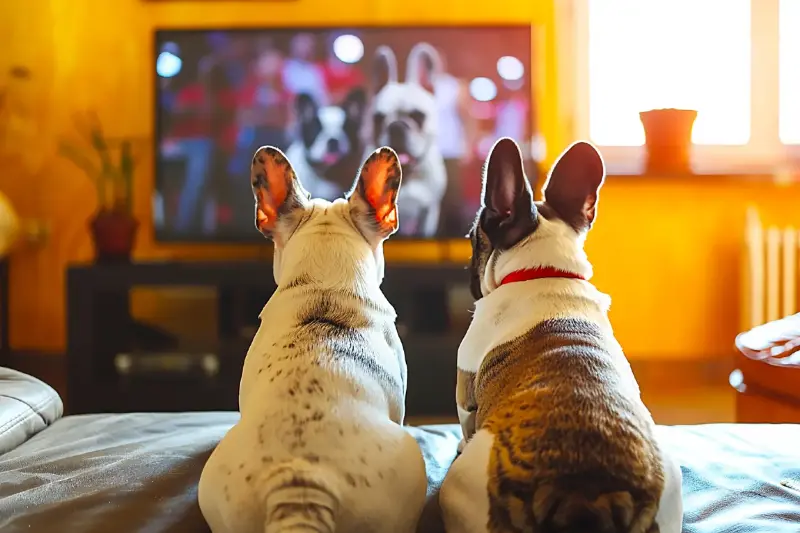
If you've ever caught your dog tilting its head at the television, ears perked and eyes glued to the screen, you're not alone. Pet owners worldwide report their furry companions' apparent fascination with moving images and animal sounds on TV. But does this pastime stimulate their minds or do our four-legged friends risk sensory overload? The debate is as lively as a game of fetch—let’s take a closer look.
The Science Behind Dogs and Screens
Unlike humans, dogs see the world in a unique spectrum. Their vision is dominated by shades of blue and yellow, and their eyes process images faster, making old TV screens appear like flickering strobe lights to them. However, with the rise of high-definition and LCD screens, dogs now perceive TV images more fluidly—and that means, for many pets, the window to the moving world beyond has truly opened.
Researchers have observed that dogs do react to what’s on screen, especially when other animals or high-contrast movement is involved. Dr. Nicholas Dodman, animal behaviourist, claims, "They're not viewers in the traditional sense, but they do react instinctively to what they see." This means that scenes of running wildlife or barking dogs may catch their attention—whereas dramas or human conversations are mostly ignored unless accompanied by intriguing sounds.
Potential Benefits: More Than Just Entertainment
While dogs don't binge-watch the latest crime series, some experts believe turning on the telly can, in moderation, benefit our canine friends:
- Mental Stimulation: Fast-moving visuals, especially animals and nature scenes, can challenge dogs’ minds and keep boredom at bay.
- Reduced Separation Anxiety: Some owners use television or dog-specific channels to distract pets when they leave the house. The background sound can provide a sense of company, soothing nerves and providing comfort.
- Enrichment Opportunities: Specially designed dog TV content, featuring specific sounds and colour palettes, is created to engage dogs’ unique senses.
Notably, in one 2021 study, shelter dogs exposed to dog-friendly television content exhibited lower stress levels and more relaxed behaviours.
Risks and Concerns: It’s Not All Good News
Yet, not every expert is wagging their tail over screen time for dogs. There are genuine concerns:
- Overstimulation: With their fast-processing sight, too much flashing imagery can overwhelm sensitive dogs, leading to restlessness or anxiety.
- Missed Human Interaction: Reliance on TV as a pet sitter could diminish the time owners spend actively engaging with their dogs, which remains crucial for emotional bonding and physical health.
- False Triggers: Realistic animal noises might invoke confusion or frustration if a dog can't "find" the intruder in their territory.
The Royal Society for the Prevention of Cruelty to Animals (RSPCA) warns, "TV should never replace walks or real-world play."
What to Consider Before Hitting ‘Play’
Curious if your dog could benefit from a bit of TV? Here’s what scientists suggest:
- Observe Your Dog: Not all pups are interested; some may ignore the screen entirely.
- Limit Screen Time: Use short, purposeful sessions rather than leaving the TV on all day.
- Choose Content Wisely: Opt for shows with animals, nature scenes, and calming music—avoid loud, abrupt noises.
- Balance is Key: TV should supplement, not replace, real-life interaction and play.
Every dog is different—what calms one may annoy another.
As our technological world evolves, so do our pets’ ways of engaging with it. Will TV become tomorrow’s dog park, or is it simply a passing amusement for our canine companions? Perhaps the real answer lies in the wag of a tail or the cock of an attentive ear. As science continues to unravel the canine mind, one thing is certain: our dogs see the world differently—and now, perhaps, even a bit more colourfully. What might we discover when we look at screens, and life, through their eyes?