


After Turbulence: Flight Operations Resume Amid Passengers’ Growing Frustration
A Sudden Standstill: How the Strike Unfolded
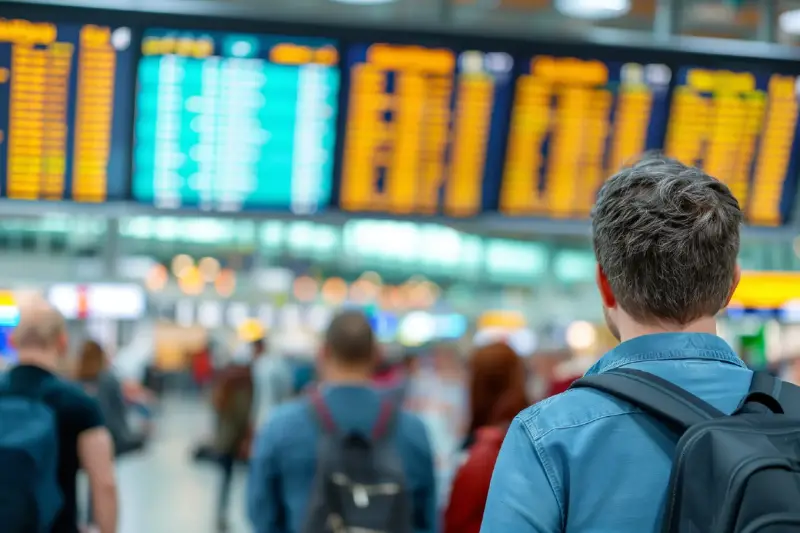
Onlookers in busy Canadian airports witnessed an extraordinary scene this week. Cabin crew from Air Canada orchestrated a walkout that left thousands of travellers stranded and schedules in utter disarray. The strike, sparked by protracted contract negotiations and demands for improved working conditions, forced Air Canada to temporarily suspend numerous domestic and international flights. It wasn’t a typical day at the departure lounge; confusion, tense conversations, and mounting worries filled the air.
Negotiations between union leaders and airline management reportedly reached an impasse over wage increases, rest periods, and concerns for passenger safety. With more than 8,500 cabin crew represented by the Canadian Union of Public Employees (CUPE), the scale of disruption was vast, affecting key hubs such as Toronto Pearson, Vancouver International, and Montréal-Trudeau airports.
Collective Grit and Grounded Dreams
For many flight attendants, the strike was a last resort—a powerful way to voice grievances that had lingered for years. Stories surfaced of staff regularly clocking marathon shifts with little downtime. One striking crew member shared, “We want respect, simple as that. It’s not just about pay, but dignity in our work.”
As a domino effect radiated outward, more than 300 scheduled flights were cancelled within 24 hours. Travellers, hoping for quick fixes, instead wrestled with sudden hotel bookings, missed connections, and dashed family reunions. The airport became a microcosm of global frustration and dashed hopes.
Ripple Effects: Passengers Caught in the Crossfire
The strike's impact went far beyond idle planes. Here are the immediate challenges faced by passengers:
- Uncertain travel plans, leading to heightened anxiety and financial losses
- Overcrowded terminals with dwindling information from officials
- Force majeure cited in tickets, limiting compensation options
- Lengthy queues for rebooking, sometimes spilling into the early hours
Social media buzzed with stories: a musician missing a concert tour in Europe, families scuttling honeymoons, business travellers stranded during crucial deals. For some, the wait became an impromptu campout, mattresses sprawled across terminal floors—an unplanned test of endurance.
The Road to Resolution: What Changed?
After several tense days, Air Canada and union representatives struck a tentative agreement. Central to the accord, sources hint at modest wage hikes, clearer rules for rest periods, and new commitments to staff well-being. Full details will only emerge once the agreement is ratified, though both sides have expressed cautious optimism.
Flight operations resumed in phases, with the airline pledging to prioritise long-haul and stranded passengers. Air Canada has set up dedicated hotlines and promised “goodwill gestures” for those most affected. Despite these efforts, traveller trust may take far longer to restore than flight schedules.
Beyond the Headlines: Lessons and Lingering Questions
While flights are lifting off once again, echoes of the strike linger. Aviation experts and labour advocates say this episode should push airlines everywhere to rethink the balance between profit, passenger satisfaction, and employee welfare. Consider these key takeaways:
- Air travel is a delicate web where small disruptions rapidly escalate.
- Worker satisfaction plays a crucial—and often overlooked—role in safe, enjoyable flying.
- Transparent communication, internally and externally, can make or break a crisis response.
- Passengers' rights and compensations need clearer frameworks in times of industrial strife.
In the end, the strike has raised an inescapable question: How can airlines, employees, and passengers move forward together? As the world reopens and airports teem with hopeful adventurers, will the lessons learned prompt meaningful change—or simply fade beneath the constant roar of jet engines? Only time, and perhaps the next challenge, will tell.