


Millions of Harmful Bacteria Lurking in Tattoo Ink? The Startling Truth
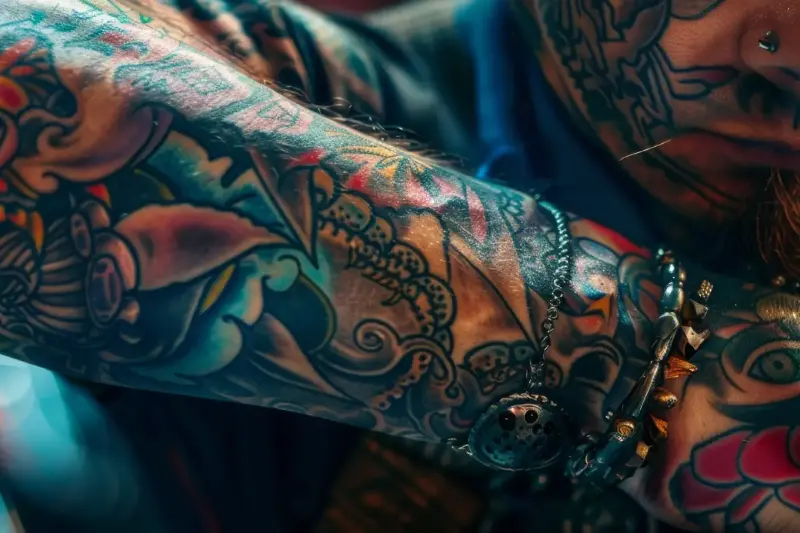
As tattoos become ever-more mainstream across the globe, a new health warning is catching would-be-inked individuals by surprise. Recent studies uncover a hidden danger many never suspected: millions of harmful bacteria have been found in some tattoo inks, posing real health threats for unsuspecting customers. If you’ve considered getting inked or are a tattoo veteran, these findings might make you think twice about what’s injected under your skin.
Unveiling the Invisible Threat: What’s Really Inside Tattoo Ink?
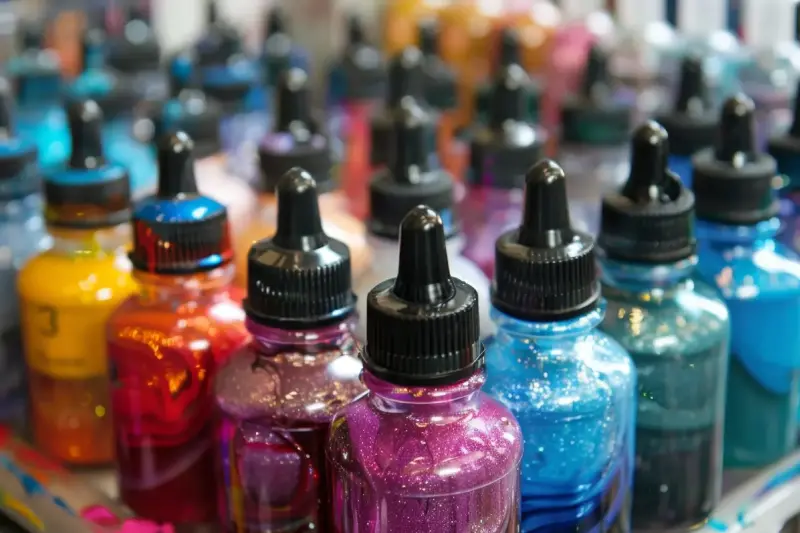
Tattoo ink isn’t just a blend of aesthetic pigments and carriers; it’s a potential cocktail for microbes. A landmark investigation led by the European Chemicals Agency (ECHA) and subsequent independent laboratory testing uncovered a worrying presence of bacteria—some strains even resistant to antibiotics—in several commercial tattoo ink brands.
Imagine this: millions of bacteria, naked to the eye, swimming through the very colours that eventually become a part of your skin’s canvas. Studies found these micro-invaders in both opened and sealed ink bottles, suggesting issues aren’t always due to poor hygiene at the studio but sometimes rooted further up the supply chain.
Microbial Menace: What Health Risks Lurk in the Bottle?
It’s not just an aesthetic risk; contaminated inks can interact harmfully with the human body. Here’s what experts have identified:
-
Infections: Red, swollen, and painful tattoo sites may be the first sign of a bacterial invasion. In extreme cases, infections can seep into the bloodstream.
-
Allergic Reactions: Harmful bacteria can trigger intense immune responses, leading to relentless itching, blistering, or permanent scarring.
-
Antibiotic-resistant strains: Some infected inks contained bacteria strong enough to withstand standard antibiotic treatments. This raises the stakes enormously, putting recipients at risk for deeper, difficult-to-treat infections.
Clinical records show patients with tattoo-related infections facing weeks or even months of medical intervention—some requiring surgery. The American Academy of Dermatology warns: “Bacterial contamination in tattoo ink is more common than most people realise.”
Why Are These Bacteria in Tattoo Ink Anyway?
The journey from ink manufacturer to your skin is surprisingly complex. While many brands boast rigorous cleanliness, gaps remain:
- Production Shortcuts: Not all ink manufacturers follow strict sterilisation protocols. Without adequate heat or chemical treatment, bacteria can survive and multiply.
- Packaging Flaws: Even sealed inks can get contaminated due to faulty bottling or transport issues.
- Improper Storage: High humidity or warm temperatures during shipping or storage can create fertile breeding grounds for bacteria.
Many artists and consumers trust that regulatory bodies keep tattoo supplies safe, but recent headlines show the reality is far from perfect.
What Can You Do to Stay Safe?
Knowledge is the best defence. Here’s a quick guide to protect your next tat:
- Ask questions: Speak to your artist about the inks they use and their sourcing.
- Check for recalls: Some batches of ink are officially recalled—find this information on regulatory body websites.
- Opt for reputable studios: Choose licensed artists and studios with visible hygiene certificates.
- Monitor your tattoo: If your new ink becomes hot, swollen, or unusually painful, seek medical help early.
The Global Response: Cracking Down on Contaminated Ink
Health agencies in Europe, North America, and Australia are tightening regulations. The US Food and Drug Administration (FDA) and ECHA now demand more rigorous screening for tattoo inks, and new labelling requirements are becoming the norm. Some countries are going a step further, requiring sterilisation certification for each ink batch before sale.
Still, with a largely unregulated online marketplace, consumers must remain vigilant.
As tattoo culture flourishes and artists continue to push creative boundaries, another frontier awaits conquering—safety at the microscopic level. Will ink suppliers step up, or will personal caution remain the body art community’s best shield? The lines between art and health are blurrier than ever, leaving each of us to ponder: what truly lies beneath the surface of our favourite tattoos?