


The Cunning Octopus: Unveiling Secrets of Underwater Intelligence
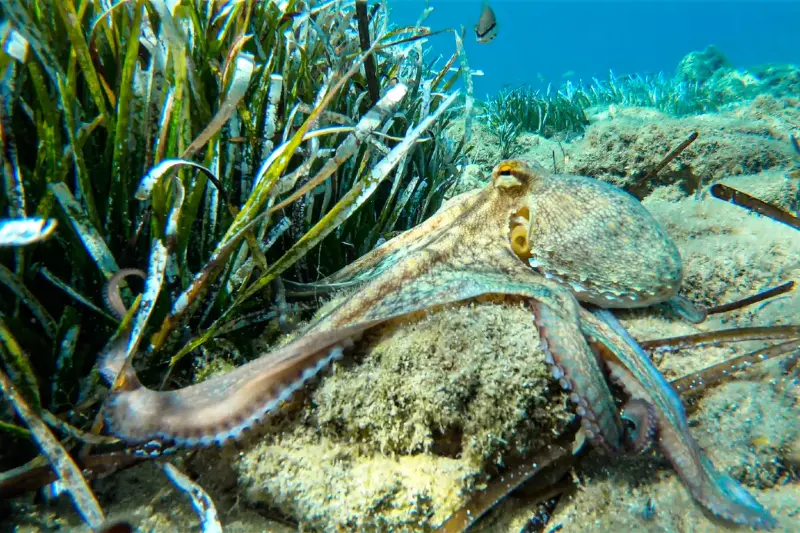
Beneath the shimmering surface of the world’s oceans lurks one of nature’s great enigmas—the octopus. With their shape-shifting bodies, hypnotic eyes, and brains that rival the cleverness of mammals, octopuses captivate scientists and sea-farers alike. But what makes these eight-armed invertebrates so staggeringly intelligent? Recent discoveries are peeling back the layers on the octopus’s underwater cunning, revealing a creature as mysterious as it is brilliant.
Brains Built for Brilliance: The Octopus’s Unusual Nervous System
Octopuses break the mould of marine life with a nervous system that’s truly out of this world. Unlike most animals, whose brains are concentrated in their heads, octopuses distribute their neurons—about 500 million of them—throughout their bodies.
Each arm boasts its own “mini-brain,” giving it near independence for sensation and movement. This unique trait allows an octopus to multitask in ways unimaginable for humans—one arm investigating prey while another opens a jar, for instance.
What’s more, studies have shown octopuses learning simply by watching others, demonstrating a rare capacity for observational learning. This ability sets them apart, echoing the intelligence of dolphins, crows, and even primates.
Masters of Escape: Outsmarting Predators and Puzzles Alike
Witnesses in aquariums and laboratories often recount jaw-dropping escape acts performed by octopuses. These molluscs contort their bodies to fit through impossibly small gaps, unscrew lids, and navigate mazes designed to test their wit.
- In 2016, Inky the octopus famously orchestrated an escape from the National Aquarium of New Zealand, slipping through a tiny gap and making a daring dash to a drainage pipe leading out to the sea.
- Octopuses regularly use coconut shells, rocks, and abandoned shells as tools—rare behaviour in the animal kingdom.
- They can even memorise layouts and patterns, showing advanced spatial awareness.
This knack for outsmarting both predators and scientists has earned octopuses a reputation as consummate escape artists. It’s no wonder marine biologists often refer to them as “the Houdinis of the sea.”
Clever Camouflage: The Art (and Science) of Disguise
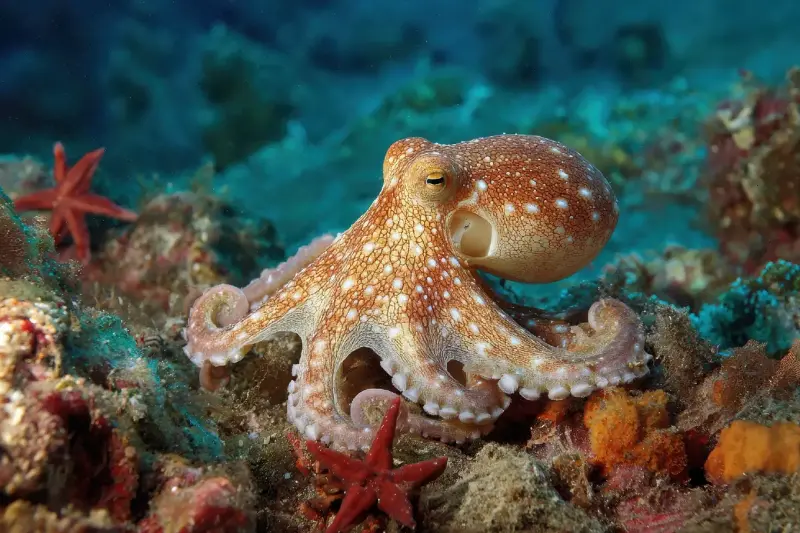
Perhaps the most mesmerising skill in the octopus’s arsenal is its mastery of camouflage. Specialised skin cells called chromatophores, iridophores, and leucophores allow octopuses to instantly match the colour, texture, and even patterns of their surroundings.
Imagine an octopus transforming in a flash from a stark white pebble to a swaying piece of coral—nature’s living invisibility cloak.
But this isn’t mere visual trickery. Scientists now believe octopuses use their camouflage not only to ambush prey or evade predators but also to communicate subtle messages to each other. These displays can include:
- Warning colours to deter rivals
- Flashes of brightness as signals during mating rituals
- Shifting patterns to coordinate with fellow octopuses
Unanswered Questions: The Future of Octopus Research
Despite decades of study, the octopus continues to baffle and delight researchers. How do their arms “think” independently? What might their capacity for play and problem-solving say about the evolution of intelligence beyond mammals? And can their unique neurobiology influence the future of artificial intelligence and robotics?
With each new discovery, the octopus seems to slip further into legend—a testament to the unknown wonders that still dwell beneath the waves.
Ultimately, the true extent of the octopus’s cunning intelligence remains one of the ocean’s most tantalising mysteries. As you peer into tidepools or watch the silent ballet of an octopus on a screen, consider: how much more does this creature have to teach us—not just about the sea, but about the very nature of mind itself?