


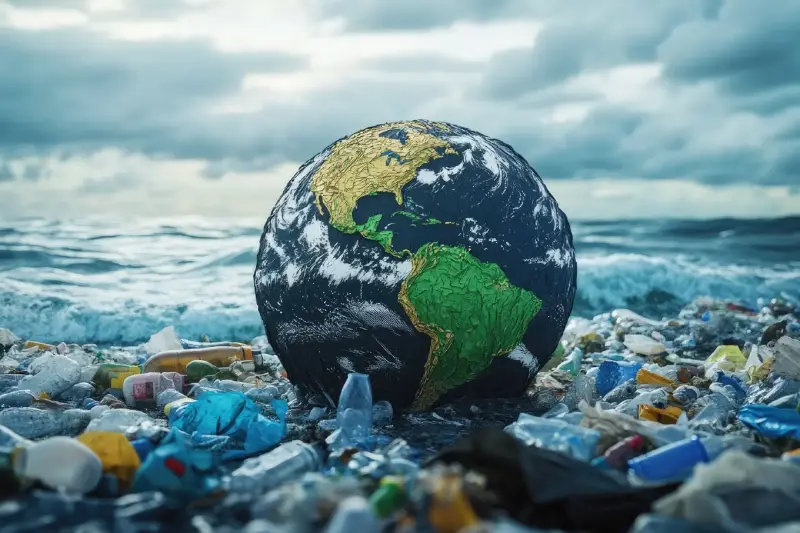
For decades, plastic has been both a hero and a villain of modern life—lightweight, durable, and versatile, but also a blight on the world’s landscapes and oceans. The urgent call for a global plastic treaty rings louder every year, yet international negotiations have become mired in a deadlock. So, how can this impasse be shattered and real progress achieved?
A Web of Stubborn Stakeholders
The plastic treaty standoff is not simply a tug-of-war between environmentalists and industry leaders. More than 170 nations, from heavily industrialised countries to rapidly developing economies, each carry unique stakes. For some, economic growth depends on affordable plastics; for others, mounting plastic waste threatens their very coastlines and communities.
At the heart of the struggle are deeply embedded economic and political interests. Major oil and petrochemical producers fear that robust regulations could devastate profits, while developing countries argue that they cannot afford costly transitions to substitute materials or recycling infrastructure. Negotiators are thus tangled in a web of conflicting interests, each pulling in different directions.
Fresh Thinking: What Could Tip the Scales?
Cracking the deadlock demands more than passionate pledges or gentle persuasion. Real movement will likely require a combination of bold ideas and pragmatic solutions. Here are a few possibilities that could shake things loose:
- Global Plastic Fund: Similar to the climate change finance mechanism, a dedicated fund could help low and middle-income countries leapfrog directly into advanced, circular solutions—making a strong, just transition more accessible.
- Incentivising Innovation: An international prize for game-changing alternative materials or recycling technologies could spur progress, much like the XPRIZE for spaceflight accelerated private space industry.
- Binding Targets with Flexible Pathways: Instead of imposing “one-size-fits-all” bans or levies, the treaty could set ambitious reduction targets, but allow nations flexibility in how to get there.
It is the willingness to envision fresh, adaptive frameworks that often breathes life into stalled talks, restarting the engines of international cooperation.
Public Pressure: The Unseen Hand
A critical, and sometimes underestimated, force in breaking global deadlocks is the surge of public consciousness. Viral images of plastic-choked wildlife and calls from grassroots movements have exerted pressure on politicians in the past, from banning microbeads to driving plastic bag levies.
Notably, social trends can rapidly reshape market behaviour. Consider:
- Massive consumer boycotts against certain single-use plastic products
- Global fast-food and retail giants racing to offer “plastic-free” packaging
- Influencers and celebrities championing cleaner oceans and zero-waste lifestyles
As public demand for action rises, governments become less able to overlook the plight of the planet, creating fertile ground for compromise.
Lessons from Past Agreements
History is rich with examples where initial deadlocks were broken—think the Montreal Protocol, which successfully curbed ozone-depleting substances. The key ingredients? Robust scientific consensus, clear timelines, and effective enforcement mechanisms.
Key takeaways for the plastic treaty might include:
- Implementing clear, science-backed reduction goals
- Developing monitoring systems to ensure compliance
- Creating a transparent reporting process that encourages peer pressure among nations
Learning from previous global successes can illuminate a path forward, reminding negotiators that a breakthrough is not mere fantasy.
The question remains: will world leaders summon the courage to move beyond entrenched positions and chart a new course? If the impasse is overcome, it may usher in not just a cleaner planet, but models of cooperation for other transnational crises as well. As you toss your next bottle in the recycling bin, consider—could the power to tip the scales rest not just with heads of state, but with millions of ordinary citizens demanding change?