


Meet the Whale Shark: Monarch of the Blue
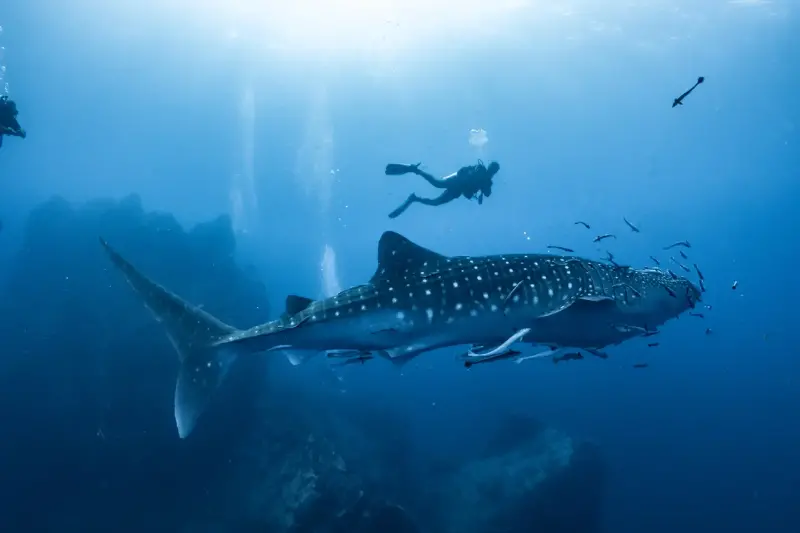
The world's oceans are home to many awe-inspiring creatures, but few capture our imaginations quite like the whale shark. Towering in size yet gentle by nature, these remarkable animals are now facing threats that put their very existence in jeopardy. To glimpse a whale shark is to witness one of nature’s most extraordinary marvels—an experience growing ever rarer in our changing world.
A Colossus Unlike Any Other
At first glance, the whale shark’s name can be confusing. It isn't a whale, but rather the largest fish alive today, with some individuals stretching over 12 metres (almost the length of a city bus) and weighing around 19,000 kilograms. Despite their size, whale sharks are filter feeders—sifting plankton and tiny fish from the sea with mouths wide enough to accommodate a child standing upright.
Their skin is thick and tough, speckled with a constellation of pale spots. Each spot pattern is unique to the individual—like fingerprints in humans—aiding researchers in tracking their movements across the globe. They glide gracefully, unthreatening to humans and often described as the true “gentle giants” of the sea.
A Secretive, Surprising Lifestyle
Whale sharks roam the warm, tropical waters of the world’s oceans. They are highly migratory, journeying thousands of kilometres each year, though their exact pathways remain shrouded in mystery. Scientists believe they travel vast distances in pursuit of the best feeding grounds, following blooms of plankton triggered by oceanic currents and temperature changes.
Surprisingly, whale sharks mature slowly and can live up to 70 years, perhaps even more. Females give birth to hundreds of pups at a time, though few survive to adulthood. The youth spend their early years in the relative safety of coastal regions before venturing into the open sea.
Yet, for all they roam, much of the whale shark’s life remains unsolved—how they breed, where they give birth, and even basic population numbers are estimations at best.
Under Threat: The Disappearing Giants
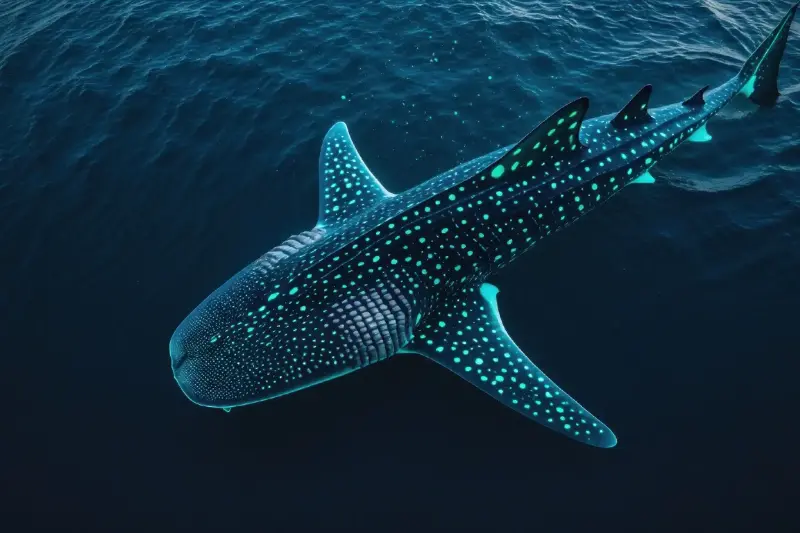
Despite global fascination, whale sharks are in grave danger. They are listed as Endangered on the IUCN Red List, with populations plummeting by over 50% in the past seventy-five years. Their massive size and slow movements often make them an easy target:
- Targeted fishing: Prized for their fins, meat, and oil, whale sharks have been hunted in some parts of Asia, especially in the past.
- Bycatch: Many are accidentally caught in fishing gear set for other species.
- Boat strikes: Their tendency to swim near the surface puts them at risk of fatal collisions with ships.
- Pollution and climate change: Contamination and shifting ocean conditions disrupt their food supply and habitats.
Each lost whale shark is a missing piece of the ocean’s intricate puzzle, a memory that can never be reclaimed.
Why Whale Sharks Matter: More Than Just a Marvel
Beyond their breathtaking beauty and gentle demeanour, whale sharks play a pivotal role in the marine ecosystem. As filter feeders, they help regulate plankton populations, balancing nutrient cycles crucial for a healthy ocean. Their presence also supports ecotourism, supporting coastal communities with responsible, awe-inspiring encounters.
Here’s why we should all care:
- Preserving whale sharks protects marine biodiversity.
- Their decline signals deeper environmental issues affecting countless ocean species.
- Their grandeur reminds us how intricate, delicate, and irreplaceable our blue planet truly is.
The fate of the whale shark is a test for humanity’s stewardship of nature. Will we let these giants vanish, or rally to ensure their survival? Perhaps the next time you stand at the edge of the ocean, you'll imagine the gentle sweep of a whale shark’s tail—and feel inspired to help secure their place beneath the waves, for generations yet to come.