


The Poisonous Sea Urchin: A Tiny Shield That Stops the Biggest Fish
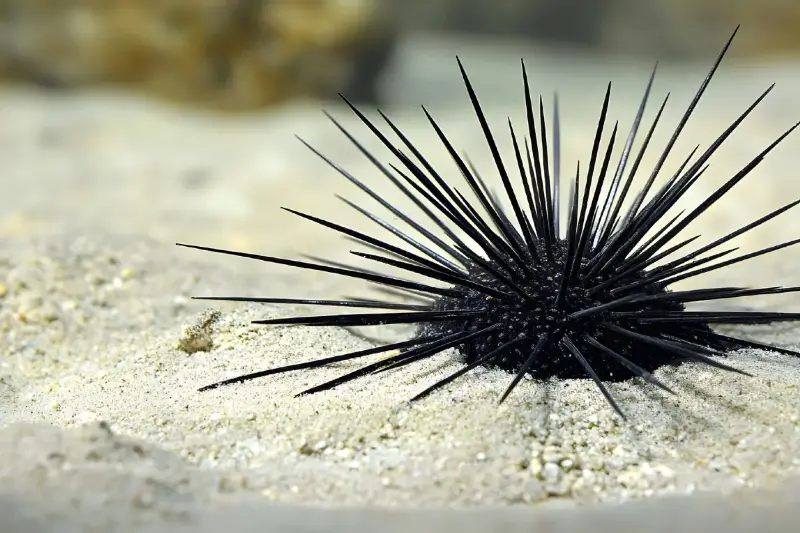
Small but Deadly: Meet the Ocean’s Spiky Defender
It’s easy to overlook the sea urchin—after all, it’s hardly the sort of creature that steals the spotlight in documentaries. Yet under the rolling surf and shifting sands, these tiny, spiky invertebrates play a deadly game of survival, sporting a defence system so effective that even the largest fish think twice before taking a bite. The sea urchin is a marvel of miniature protection: armed, hazardous, and uniquely elegant.
Venom on the Reef: The Hidden Arsenal of the Urchin
What makes some sea urchins truly menacing isn’t just their spikes—it’s what’s inside them. Species like the flower urchin (Toxopneustes pileolus), found in the Indo-Pacific, and the infamous long-spined sea urchin (Diadema setosum) are loaded with venom. These toxins are delivered through needle-like spines and tiny, jaw-like appendages called pedicellariae. A single touch can deliver a painful, lingering wound—sometimes worsened by reactions that demand medical attention.
- The venom varies by species but can cause:
- Sharp, instant pain
- Swelling and redness
- Muscle paralysis in severe cases
- Nausea and breathing difficulties (in extremely rare incidents)
- Fishermen and divers in tropical waters have long respected sea urchins for this very reason: “One prick, and you remember for the rest of your life,” as one seasoned diver put it.
Why the Sharp Edge? Evolution’s Ingenious Insurance Policy
For sea urchins, defence is survival. They are slow, soft-bodied, and have no means of fleeing from attackers. Instead, their spines and toxins form a near-impenetrable barrier. Picture a porcupine crossed with a syringe—nature’s warning sign painted bright. The two-pronged approach of prickly armour and chemical warfare discourages both predators and the unwary.
The world’s oceans host over 950 recognised species of sea urchin, but only a fraction wield potent venom. Nonetheless, even non-toxic species benefit—predators seldom stop to check if their next meal packs a toxic punch.
Key defences include:
- Physical Spines: These can puncture and trap, deterring both fish and human hands.
- Venomous Glands: Only a few grams of urchin venom can incapacitate creatures much larger than the urchin itself.
- Camouflage: Some species wear shells, gravel, or algae to hide from view, the ultimate shield and sword package.
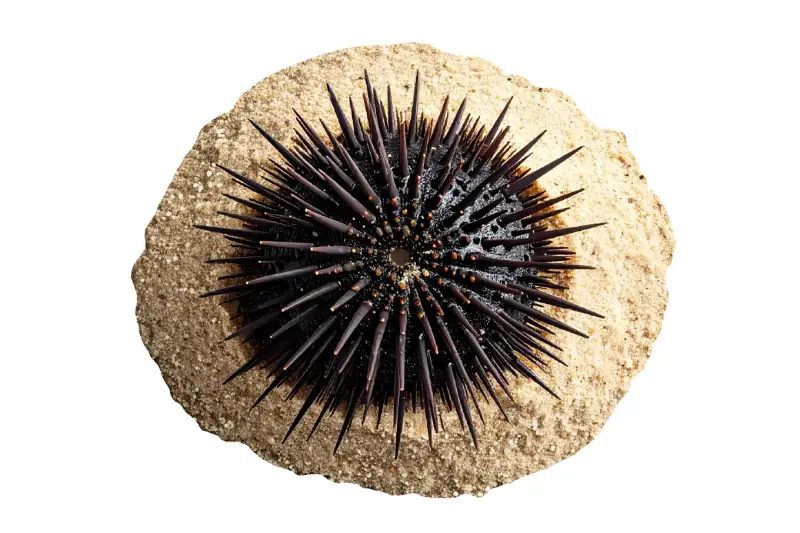
Balance of Power: Sea Urchins in the Ecosystem
Sea urchins aren’t just ingenious survivors—they are also critical to their environments. Their diet of algae and detritus helps to keep reefs healthy. But if their populations aren’t kept in check, they can devour entire underwater gardens, destabilising the balance of marine life.
Fish like the triggerfish and certain wrasses have evolved unique strategies to tackle these prickly morsels. These resourceful hunters turn urchins over, avoiding the spines, and extract the nutritious innards. Even so, many predators avoid the risk, leaving the most toxic species relatively unchallenged.
Human Encounters: Myths, Mishaps, and Medicinal Mysteries
For centuries, sea urchins have featured in folklore—revered, feared, and sometimes misunderstood. In parts of Asia, urchin roe is a luxurious delicacy, but gathering them requires skill and respect for their potent protection.
Modern science barely scratches the surface of sea urchin venom’s capabilities. Some researchers believe that, beyond its notorious sting, urchin toxins may offer clues for new medicines, from painkillers to antibiotics. It’s a reminder that even nature’s defences can become humanity’s tools if we’re curious and careful enough to explore their secrets.
The next time you stroll a tide pool or peer into a swirling reef tank, spare a thought for the unassuming sea urchin—a tiny but mighty shield in the never-ending ocean arms race. What other hidden marvels lie beneath the waves, waiting for those willing to look a little closer?