


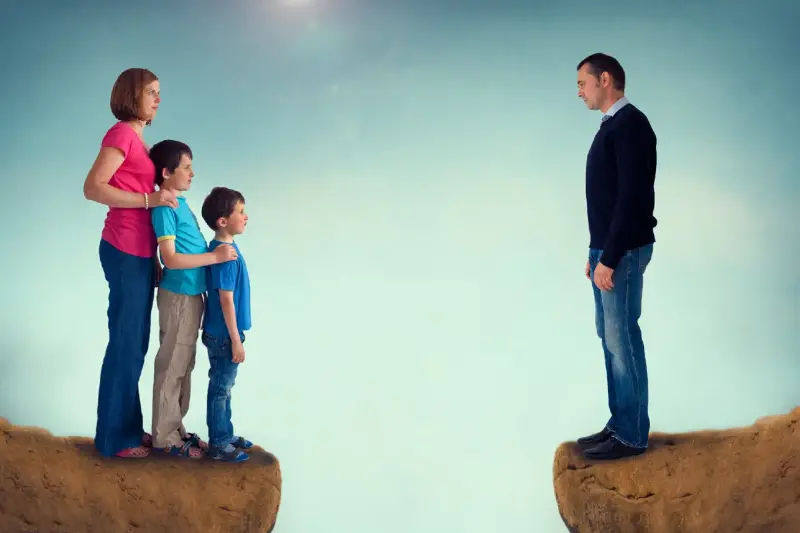
In a world where family is often synonymous with unconditional love and support, the choice to sever ties with relatives can strike many as unthinkable. Yet, the notion of “toxic family” has gained increasing attention, especially as stories of strained alliances and emotional harm surface in both media headlines and private conversations. Is walking away from a harmful family the last straw, or could it be an act of remarkable self-preservation? Let’s explore the intricacies of this life-altering decision.
Unpacking ‘Toxic’—What Does It Really Mean?
The term “toxic family” conjures powerful images, but what truly defines it? Experts generally describe toxic family dynamics as patterns of behaviour that consistently cause harm—emotional, psychological, or even physical. This can include relentless criticism, manipulation, disrespect of boundaries, or outright abuse.
Toxicity isn’t always loud or obvious. Sometimes, it’s the silent suffocation of constant judgement or the emotional drain of feeling never quite good enough.
A 2021 study by the University of Cambridge found that over 40% of Britons reported family relationships as their primary source of stress, highlighting how pervasive these struggles are. For many, the pain stretches across years, shaped by repeated disappointments or unresolved traumas.
The Price of Staying—Invisible Scars
Why do people endure unhealthy family bonds for so long? The answer is complex: loyalty, guilt, social expectations, or hope for change often keep individuals trapped. Yet, the emotional fallout from chronic toxicity is profound. Psychologists link dysfunctional family ties to higher rates of depression, anxiety, low self-esteem, and even physical issues such as insomnia or headaches.
Here are signs that a family relationship may be causing more harm than good:
- You feel anxious or depleted after every interaction
- Your boundaries are routinely ignored or dismissed
- You’re subjected to manipulation, gaslighting, or public humiliation
- All attempts at constructive communication fail repeatedly
- You are alone in trying to resolve issues—while others deny a problem exists
Cutting off these relationships can feel like tearing away a part of your identity. Yet, for some, it’s the only way to reclaim their well-being.
Breaking Free—Is There a Healthy Way?
Ending ties with family doesn’t have to be explosive or irrevocable. In fact, therapists often advise a gradual approach, weighing emotional readiness and seeking support from trusted friends or professionals.
Key steps frequently recommended include:
- Self-reflection: Determine specific behaviours that cause harm; not all difficult relatives are toxic.
- Set clear boundaries: Communicate limits firmly and repeatedly. Sometimes, limiting contact is enough.
- Seek mediation: Professional counselling can sometimes repair relationships—or clarify when separation is necessary.
- Prepare for fallout: Others may not understand or support your decision. A plan for self-care is essential.
One woman shared with BBC News, “I chose myself over tradition. It broke my heart, but it gave me back my future.”
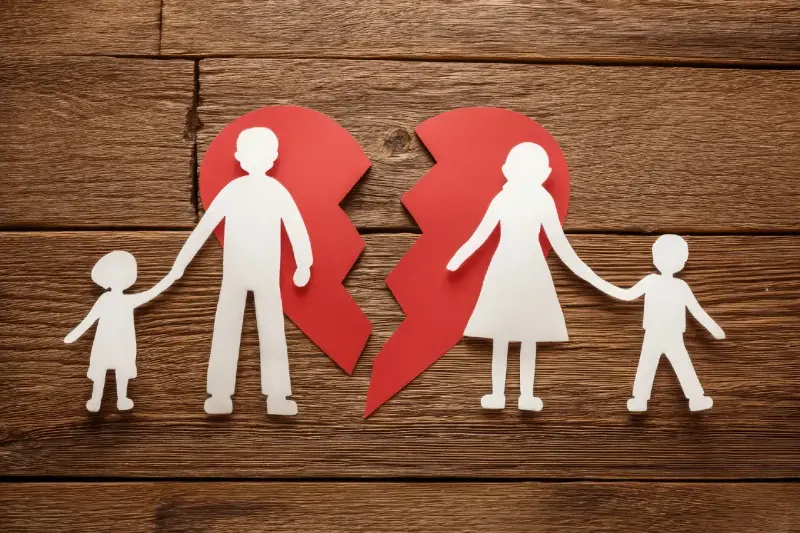
A Societal Shift—Is The Stigma Fading?
Historically, cutting off family invited harsh judgement, as if loyalty trumped personal health. Today, public conversations around mental health and boundaries are transforming that narrative. Support groups, podcasts, and books now openly discuss family estrangement, giving those affected language—and permission—to prioritise their own needs.
Intriguingly, recent research published in The Guardian revealed nearly one in five UK adults are “estranged” from at least one family member. Far from being rare, this choice is part of a shifting social landscape.
The Uncharted Road Ahead
Choosing to end family ties is rarely easy, often lonely, and always deeply personal. Is it truly an act of desperation, or of courage? Perhaps, as society evolves, we’ll continue to redefine what “family” means—and who holds the keys to our inner peace.
As you ponder your own relationships, ask yourself: where does loyalty end, and self-love begin? And, if given the choice, would you dare to take the healthier path—even if it means walking away?