


Facial Acne Types: 4 Common Variants and How to Treat Them
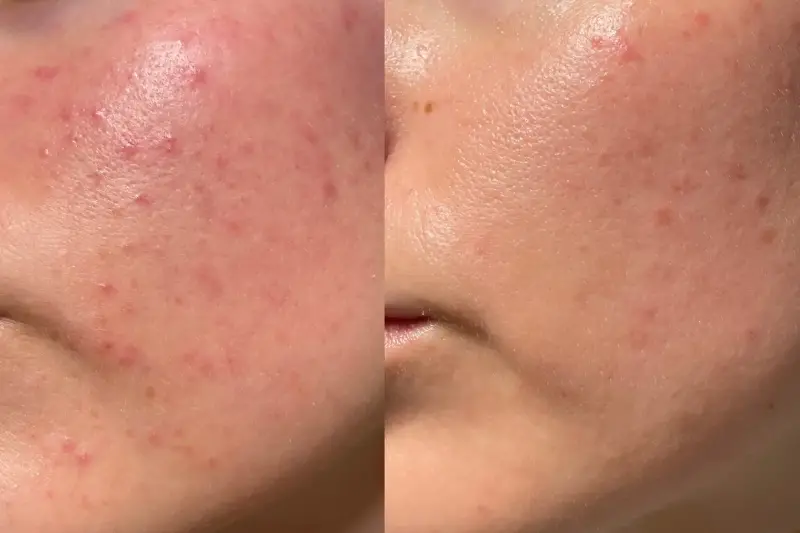
Waking up to a new spot in the mirror can change the tone of an entire day. Acne is far from a teenage concern—adults of all ages can face its disruptive signs. But did you know that facial acne comes in different types, each with its own causes and preferred solutions? Understanding the specifics behind each variant unlocks a smarter approach to treatment—because not all spots are created equal.
The Sneaky Story of Blackheads and Whiteheads
Most of us remember our first “black dot” or those tiny white bumps from adolescence. Blackheads (open comedones) and whiteheads (closed comedones) are the basic building blocks of acne. They occur when hair follicles become clogged with oil and dead skin cells. The only difference? Oxygen exposure. Blackheads turn dark because the clogged material is exposed to air, oxidising it. Whiteheads stay hidden beneath the skin’s surface, remaining pale.
Treating these common nuisances involves:
- Gentle cleansing to remove excess oils.
- Products containing salicylic acid or benzoyl peroxide to unstick blocked pores.
- Avoiding heavy makeup and oily lotions, which can worsen blockage.
Quick fact: Scrubbing won’t clear blackheads—overdoing it can inflame skin and worsen the problem!
Inflammatory Intruders: Papules and Pustules
Ever wondered why some blemishes become red, swollen, and tender? Enter papules and pustules. Papules are small, red, raised bumps, while pustules are similar but topped with a visible white or yellowish centre filled with pus. Both signal inflammation—your body’s response to irritation and bacteria inside pores.
How to help inflamed skin recover:
- Stick to fragrance-free and non-comedogenic moisturisers to avoid further aggravation.
- Try topical retinoids or benzoyl peroxide as guided by a pharmacist or GP.
- Apply ice packs for a few minutes to reduce swelling and redness in a pinch.
Steer clear of squeezing or picking! It might be tempting, but manipulating spots can lead to scars or deeper infections.
The Deep Dilemma: Nodules and Cysts
When acne dives beneath the surface, it becomes nodule or cystic acne—often painful, swollen, and stubborn. Nodules are hard lumps lurking deep within the skin, while cysts are softer, pus-filled, and can grow quite large. These types are more common in men but affect plenty of women, particularly during hormonal swings.
Why do they stick around? Hormones, genetics, and even stress can trigger deep, persistent breakouts. Here’s how dermatologists usually recommend tackling the toughest acne:
- Prescription oral or topical medications, such as antibiotics or isotretinoin.
- Steroid injections for particular cystic spots (performed by a professional).
- Consistent medical follow-ups to monitor side effects and progress.
Fact: Over-the-counter creams rarely reach deep enough to heal nodules or cysts. Trust a specialist with persistent, painful breakouts.
Not Just for Teens: Adult and Hormonal Acne
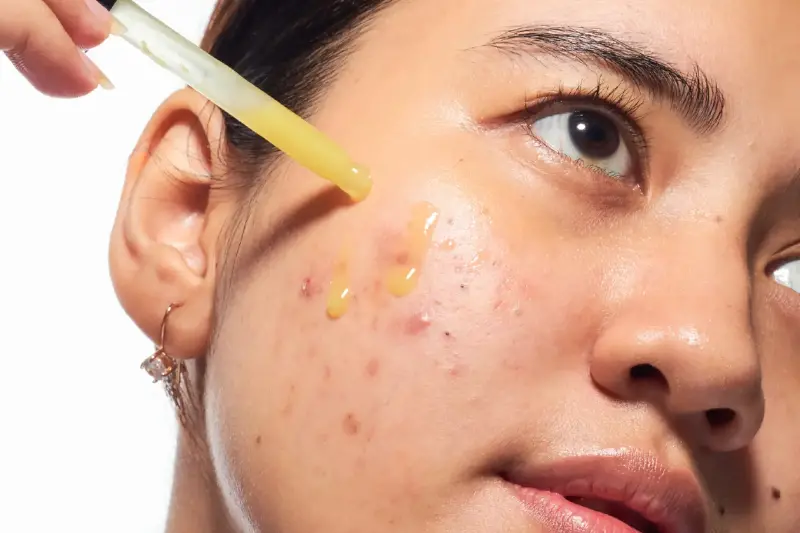
Think you left blemishes behind in your school days? Think again. Adult acne, often linked to hormones, affects millions beyond their twenties. It commonly appears along the jawline or chin, especially during times of stress, menstruation, or hormonal shifts.
Best ways to manage adult acne:
- Consider hormone-targeted treatments, such as combined oral contraceptives (for women) or anti-androgen medications.
- Keep a diary of breakouts to spot possible triggers.
- Choose skincare designed for mature or sensitive skin—adult acne can co-exist with dryness, unlike its teenage counterpart.
Remember: Emotional wellbeing is closely tied to skin health. Adult acne can feel especially discouraging, but solutions are within reach.
Whether you’re fighting occasional whiteheads or facing the challenge of stubborn cysts, understanding the story behind your skin is the first step to bringing it back into balance. Each acne variant invites its own strategy and care. Which route will you explore in pursuit of your best complexion—will you dig deeper for root causes, or uncover gentle practices for consistent clarity? The next chapter in your skin’s story is entirely yours to write.