


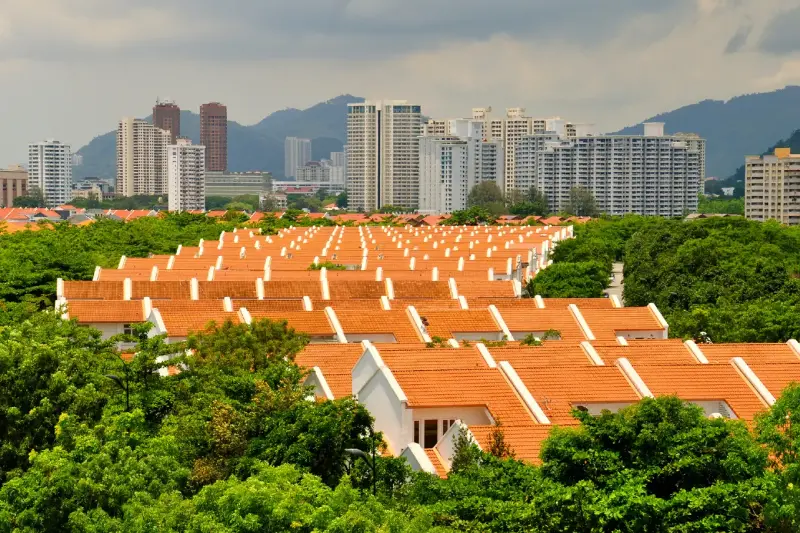
Malaysia: A Bright Economic Picture Masking the Burden of Living Costs
In the bustling heart of Southeast Asia, Malaysia’s economic landscape glows with promise. GDP growth remains robust, foreign investments continue to flow, and vibrant urban skylines reflect optimism. Yet beneath this dazzling surface, many Malaysians quietly shoulder an ever-increasing cost of living. How do these contrasting realities co-exist—and what do they mean for everyday life across the nation?
A Shining Economy, By the Numbers
Malaysia’s economy, boasting a GDP growth rate of 4.2% in 2023, stands out as a regional star. Analysts praise the country’s diversified industries—from lucrative palm oil to burgeoning semiconductor exports. Penang’s high-tech zones and Kuala Lumpur’s financial districts pulse with international energy, making Malaysia a magnet for talent and capital alike.
Foreign direct investment surged to RM50.4 billion in 2023, underscoring the confidence global businesses have in Malaysia’s future. Infrastructure projects, such as new MRT lines and the Penang South Islands development, also symbolise forward momentum.
But behind the headlines, a quiet struggle persists.
The Unseen Challenge: Rising Costs for Ordinary Malaysians
Despite strong macroeconomic performance, many citizens experience a daily squeeze on their budgets. Essentials such as food, housing, and transportation now command a far larger share of household income than they did a decade ago.
Key facts highlight this pinch:
- Food prices increased by over 5.5% in 2023, affecting staples like rice, chicken, and fresh vegetables.
- Urban property prices continue to climb, forcing many young Malaysians to delay home ownership or settle for smaller homes far from city centres.
- Petrol and public transport fare hikes place additional pressure on working families.
It’s the small, cumulative shocks—those extra ringgits at the supermarket, the gradual rise in rent—that weigh heaviest on people’s minds, even as salary growth lags behind inflation.
Why Is the Cost Gap Growing?
Experts cite a combination of global and local pressures. The COVID-19 pandemic disrupted supply chains, triggering waves of imported inflation. The ringgit’s relative weakness makes imported goods—from cars to electronics—more expensive. Meanwhile, Malaysia’s own food production faces challenges from climate instability and outdated agriculture policies.
There’s also the ‘urbanisation premium’. As more Malaysians flock to cities in search of opportunity, demand pushes up prices for everything from housing to kopi ais.
- Rural-urban wage gaps remain stark, with major city dwellers earning, on average, nearly double their rural counterparts.
- The urban middle class, in particular, feels squeezed by lifestyle expectations: private schooling, car loans, and health insurance all escalate financial pressure.

Coping Mechanisms and Everyday Resilience
So how do Malaysians adapt in this new landscape? Creative, community-rooted strategies have emerged:
- Carpooling and motorbike sharing—to cut transport costs.
- Bulk buying and local markets—where haggling for the best deal is an art form.
- Multi-generational living—allowing families to pool resources and reduce per-person expenses.
Government grants and targeted subsidies, such as the Bantuan Sara Hidup and MyKasih programmes, have helped cushion the blow for lower-income Malaysians. Social media platforms also buzz with money-saving hacks and grassroots financial wisdom.
Looking Ahead: Will Growth Translate to Wider Prosperity?
Malaysia’s leaders face a pressing challenge: ensuring headline growth delivers real improvements in people’s lives. Policy-makers are exploring minimum wage adjustments, affordable housing schemes, and investments in food security, but much remains to be done.
Can the sparkle of economic success be harnessed to ease the daily burden for millions? Or will the hidden costs of progress continue to test the resilience of Malaysia’s people? The story behind the numbers is one that will shape the nation’s future—for better or worse—and invites us all to look beyond the gloss of statistics to the human stories within.