


Why Does Your Child Get Angry Easily? Uncovering the Hidden Causes and Calming Strategies
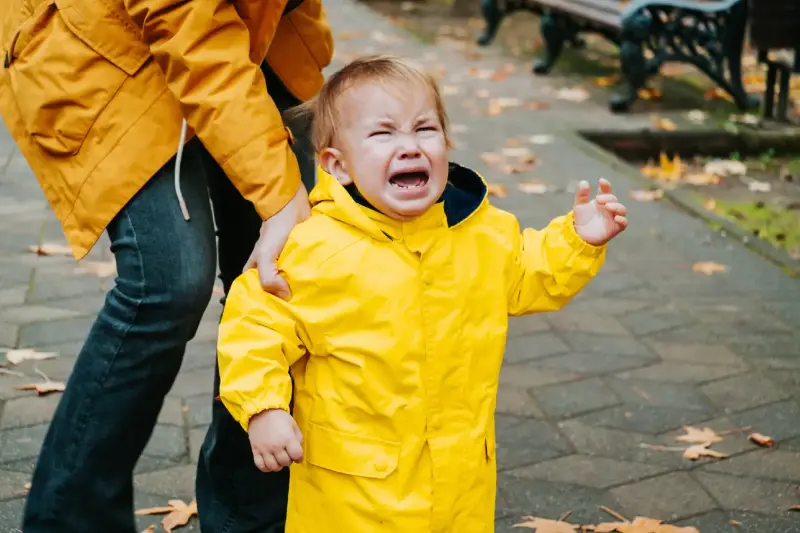
Every parent knows the feeling: one moment your child is smiling, and the next, a sudden outburst fills the room. Childhood anger is not uncommon, but when it seems to erupt daily or over the smallest triggers, it leaves families desperate for understanding and solutions. But what really lies beneath these flashes of temper? Let’s journey inside the world of children’s anger, discover the often-hidden causes, and explore practical techniques to foster calm.
Surprising Triggers: The Roots of Child Anger
Anger in children often has deeper causes than meets the eye. While the surface might show an argument over toys or screen time, the roots may stretch far deeper, sometimes beyond what words can express.
Developmental changes play a central role. As children grow, their brains are rapidly developing, making it challenging for them to regulate strong emotions. This can lead to frustration bubbling over into anger.
Unspoken stressors are another major culprit. Did you know that anxiety, tiredness, or hunger can all transform a usually calm child into an angry one? For many, especially younger children, these needs are hard to articulate. Instead, they emerge as irritability or meltdowns.
Some common hidden triggers include:
- Sensory overload: Strong lights, loud noises, or busy environments can overwhelm children, leading to sudden outbursts.
- Feeling misunderstood: When children can’t express what they’re feeling, anger often becomes their default.
- Changes at home or school: Divorce, a new sibling, or shifting friendships can all unsettle a child’s emotional world.
- Medical factors: Some children experience underlying issues like ADHD or learning difficulties, making emotional regulation especially difficult.
It’s vital to remember that these triggers are rarely the child’s fault—they are simply signals from a complex, developing mind seeking comfort and connection.
Decoding the Message Behind the Meltdowns
An angry outburst is often a message in disguise. Children use anger, consciously or not, when other emotions—like sadness, embarrassment, or confusion—feel overwhelming or hard to explain. Observing the patterns helps reveal the triggers hiding beneath the surface.
Ask yourself:
- When do outbursts most often occur? Is it after school, before bedtime, or during social activities?
- What events or transitions typically precede the anger?
- How does your child behave after the outburst? Is there guilt or relief?
Keeping an ‘anger diary’ for a week or two can help. Jotting down details about each incident often reveals unseen trends.
Strategies to Soothe: Turning Storms into Sunshine
When anger rises, how we respond can either fuel the flames or calm the storm. Here are some science-backed, parent-approved tips:
- Stay Calm Yourself: Children mirror the emotions of adults around them. A gentle, steady voice can defuse even the fiercest tempers.
- Give Choices, Not Orders: Offering options—“Would you like to tidy your room now or after dinner?”—gives children a sense of control.
- Teach Emotional Vocabulary: Help your child name what they’re feeling. Phrases like “You seem frustrated,” or “Are you feeling overwhelmed?” make emotions less scary and more manageable.
- Encourage Physical Outlets: Activities such as walking, dancing, or even quietly squeezing a stress ball can allow intense emotions a positive path out.
- Use Consistent Routines: Predictability gives children security, minimising the anxiety that can trigger angry episodes.
Above all, let your child know their feelings are valid, even if their actions need gentle correction.

When to Seek Professional Support
Sometimes, anger becomes so frequent or intense that it disrupts daily life, relationships, or school. If you notice:
- Physical aggression that puts others at risk
- Destruction of property
- Withdrawal after outbursts, or lingering sadness
- Dramatic changes in appetite, sleep, or mood
…it may be time to consult a mental health professional or your GP. Early support can make all the difference.
In the whirlwind of parenting, it’s easy to see anger as the enemy. Yet, beneath every outburst lies a call for understanding and reassurance. Could your child’s temper be telling you something deeper? The next time anger flares, pause and look beyond the storm—you may find a chance for connection, growth, and a calmer tomorrow.