


Polycystic Ovary Syndrome: When Does It Really Begin?
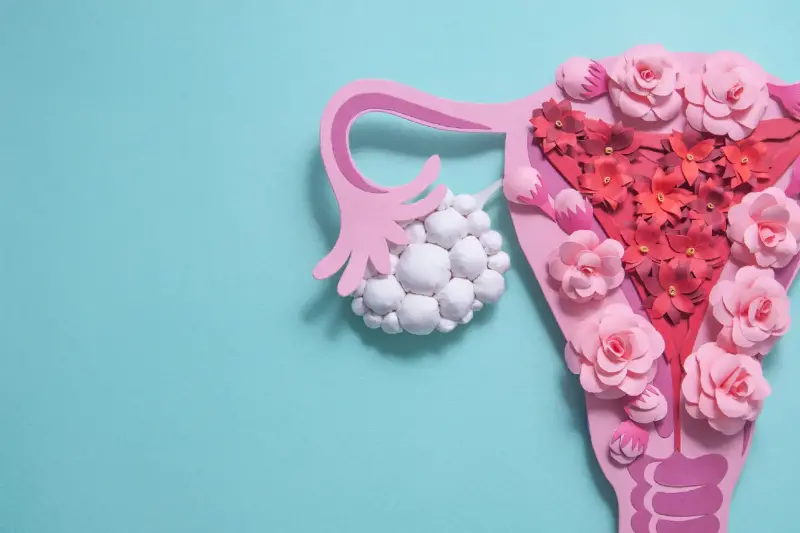
Understanding PCOS: More Than Just a Woman’s Issue
Many imagine Polycystic Ovary Syndrome (PCOS) as a condition afflicting women in their twenties or thirties, just after puberty’s curtain falls and adulthood begins in earnest. Yet, the truth is far more complex—and intriguing. PCOS is not just a hormonal blip; it’s a lifelong syndrome that can affect individuals at any reproductive age. Intriguingly, evidence now suggests that the seeds of PCOS might be sown much earlier than most realise—sometimes before a girl’s first period even arrives.
The Age Spectrum: When Signs Start to Show
The question, “At what age does PCOS appear?” doesn’t have a single, clear-cut answer. Instead, it offers a fascinating glimpse into how our bodies can signal imbalance over time. While most diagnoses occur during late adolescence or early adulthood—typically between the ages of 15 and 25— symptoms can emerge silently years beforehand.
Key points on PCOS appearance:
- Pre-puberty Signals: Some girls show early signs, such as premature hair growth or rapid weight gain, indicating that PCOS can begin even before menstruation starts.
- Pubertal Changes: Puberty unleashes hormonal shifts, making it a prime time for PCOS to surface with irregular periods or acne.
- Late Bloomers: For others, symptoms—like infertility or irregular cycles—may puzzle doctors well into their late twenties or early thirties.
Every individual’s journey is unique, and the age of onset often intertwines with genetics, environmental effects, and lifestyle.
What Triggers the First Symptoms?
Why does PCOS choose its particular timing? The answer is layered and still under investigation. Genetics play a starring role—if your mother or sister has PCOS, your chance of developing it rises substantially. Environmental triggers, such as excess weight gain, stress, and disrupted sleep patterns, also play into the syndrome’s debut.
Hormones that surge during puberty often unveil the first symptoms. Ovaries may begin producing slightly more androgens (“male” hormones) than normal, tipping the body’s delicate balance and introducing symptoms such as:
- Irregular or absent periods
- Excess facial or body hair
- Oily skin and severe acne
- Difficulty losing weight
But even in the presence of symptoms, many experience delays in diagnosis, attributing changes to “normal” growing pains instead.
Diagnosing PCOS: Why Age Matters
Pinpointing PCOS’s first appearance is critical—not just for medical curiosity, but for effective treatment. Early detection provides a chance to manage symptoms and prevent serious complications like Type 2 diabetes, cardiovascular disease, or fertility challenges.
Doctors typically look for at least two out of three markers—irregular periods, visible high androgen levels, and ovarian cysts on ultrasound. However, the variability in symptoms and onset age makes diagnosis a detective’s work, requiring attentive listening and in-depth analysis.
Breaking Myths: PCOS Isn’t Just for Women of “Certain Age”
It’s a misconception that you can only “get” PCOS after a certain age. The condition is not confined by age but rather by genetics, hormones, and sometimes, the hidden choreography of lifestyle. Both teens and adults—men and women alike, though rarely—can be impacted by the complicated hormonal imbalances tied to PCOS.
If you notice persistent, unexplained symptoms in yourself or someone you care about, regardless of age, it’s worth seeking expert advice.
The story of PCOS is a fascinating one—woven with elements of time, genes, and environment, spanning every stage of reproductive life. When we ask, “At what age does PCOS appear?” we uncover another layer in the ever-unfolding narrative of human health—reminding us to listen carefully to our bodies, question accepted truths, and stay curious about the mysteries yet to be revealed.