


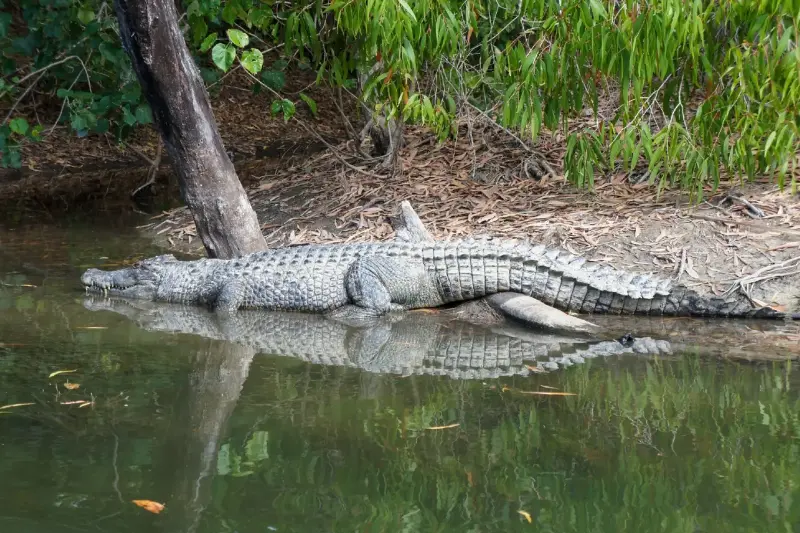
For centuries, the Nile crocodile has both terrified and fascinated those living along Africa’s longest river. These awe-inspiring reptiles—often stretching over five metres and tipping the scales at more than 500 kilograms—are the largest freshwater predators on the continent, and their imposing presence has indelibly shaped the landscapes, livelihoods, and legends of the Nile region.
Living alongside a Predator: A Daily Reality
Across Egypt, Sudan, Ethiopia, and Uganda, villagers and fishermen wake each morning to an undeniable truth: the Nile crocodile is a local, not a visitor. Each year, encounters with crocodiles lead to dozens of injuries and fatalities, making them one of the world’s most dangerous reptiles. Despite the risks, riverside communities adapt and innovate, weaving safety into daily routines.
Villagers have developed an informal yet intricate set of “river rules”:
- Never approach the water’s edge alone, especially at dawn or dusk.
- Children are often kept under close watch and are taught from an early age to recognise crocodile nests.
- Some fishermen craft barriers or use floating platforms to safely access their nets.
Interestingly, Nile crocodiles don’t hunt indiscriminately. There’s evidence they remember human behaviour, associating certain patterns—like regular bathing or fishing spots—with easy prey. This mutual observation has cultivated a strange, attentive coexistence.
Crocodiles in the Tapestry of Ancient Culture
The Nile crocodile is not merely a menace; it is also a muse. Ancient Egyptians revered these animals, enshrining them in both art and religion. Sobek, a crocodile-headed god, was worshipped as a symbol of fertility, strength, and protection against danger. Devotees once kept live crocodiles in temple precincts, sometimes adorning them with jewels or mummifying them for burial.
Surprisingly, centuries-old tombs reveal entire necropolises built for crocodiles, signifying their deep spiritual value. Some contemporary communities still view the crocodile as an omen—occasionally of good luck, sometimes of misfortune—as it remains deeply entwined in folklore and storytelling.
Modern Conservation: Challenges and Innovations
With expanding human populations, the delicate balance between coexistence and conflict with Nile crocodiles faces unprecedented strain. In some regions, the drive to reclaim riverbanks for agriculture or construction encroaches on crucial nesting sites, leading to more frequent clashes.
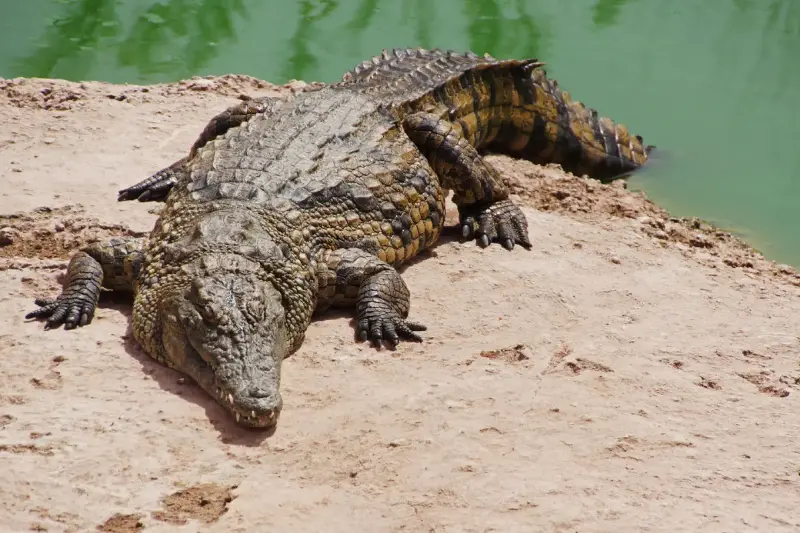
Today, conservationists and local leaders employ various strategies to mediate this relationship:
- Community education programmes teach safe water practices and highlight the ecological role of the crocodile—as both apex predator and cleaner of rivers.
- Protected wetlands and nature reserves have been established to provide sanctuary for crocodiles, while also boosting eco-tourism.
- Some regions explore sustainable crocodile farming, allowing controlled harvesting for leather and meat whilst protecting wild populations.
These efforts acknowledge that the fate of the crocodile, and that of the people living alongside it, are closely interconnected.
Symbols of Both Fear and Admiration
The duality of the Nile crocodile—inspiring both terror and admiration—persists in the collective psyche of the region. For many, the croc is a powerful symbol: a creature to respect, a challenge to outwit, and an ancient spirit deserving of reverence.
As the march of progress continues, one question remains: can humans and crocodiles sustain their uneasy but enduring relationship, or will one side inevitably retreat? The answer lies not only in the muddy waters of the Nile but in the stories, strategies, and respect we bring to this remarkable coexistence. The next time you glimpse the slow swirl of water by the riverbank, consider—what new chapters in this age-old dance might we yet witness?