


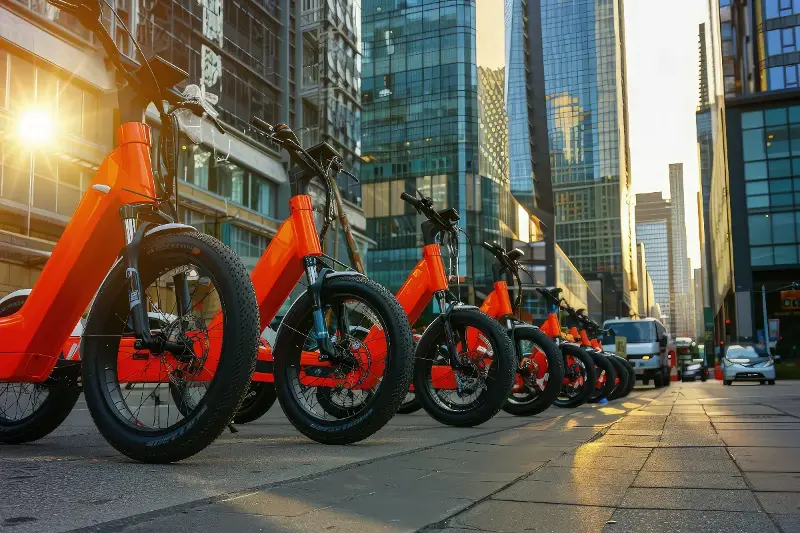
Cities are becoming more crowded, connected, and determined to reduce local emissions. In this changing landscape, micro-mobility has moved from a niche lifestyle choice to an essential part of everyday transport. Traditional bicycles, electric bicycles, cargo bikes, and shared systems are helping urban residents travel short and medium distances without relying on private cars.
The appeal is simple: these light vehicles occupy minimal space, produce zero direct emissions during operation, and often make short urban journeys significantly faster. By replacing car trips for everyday errands, micro-mobility helps beat traffic queues, eliminates parking searches, and lowers daily stress. Smart cities are responding by redesigning streets and treating cycling infrastructure as a vital companion to public transport.
Why Micro-Mobility Matters in Modern Cities
Urban transport faces a space challenge as much as a congestion issue. A standard passenger car typically carries only one or two people while occupying substantial road area and parking space. In contrast, cycling moves large numbers of people efficiently across much smaller footprints.
Key reasons cities are prioritizing micro-mobility include:
-
Targeting Short Trips: A large percentage of daily trips—such as visiting local shops, schools, transit stations, and workplaces—are short enough to complete easily by bike.
-
Creating Better Neighbourhoods: Replacing short car trips reduces air pollution and noise, making streets quieter and more inviting for community life and outdoor dining.
-
Improving Daily Fitness: Cycling integrates regular physical activity into daily routines, promoting healthier lifestyle habits naturally.

The Rise and Impact of E-Bikes
Electric bicycles (e-bikes) represent one of the most influential developments in modern personal transport. Most models feature a rechargeable battery and a pedal-assist motor that provides extra power only when the rider pedals.
This assistance expands what is practical on two wheels:
-
Overcoming Natural Barriers: Hills, headwinds, heavy cargo, and child seats become far easier to manage without excessive physical exertion.
-
Extending Journey Distance: Commutes of 10 kilometres or more become convenient and manageable, ensuring riders arrive at their destination feeling fresh.
-
Transforming Logistics with Cargo Bikes: Cargo e-bikes equipped with front boxes or rear platforms are rapidly expanding. Businesses use them for last-mile urban deliveries, bypassing traffic jams, parking restrictions, and access limitations in dense city centres.
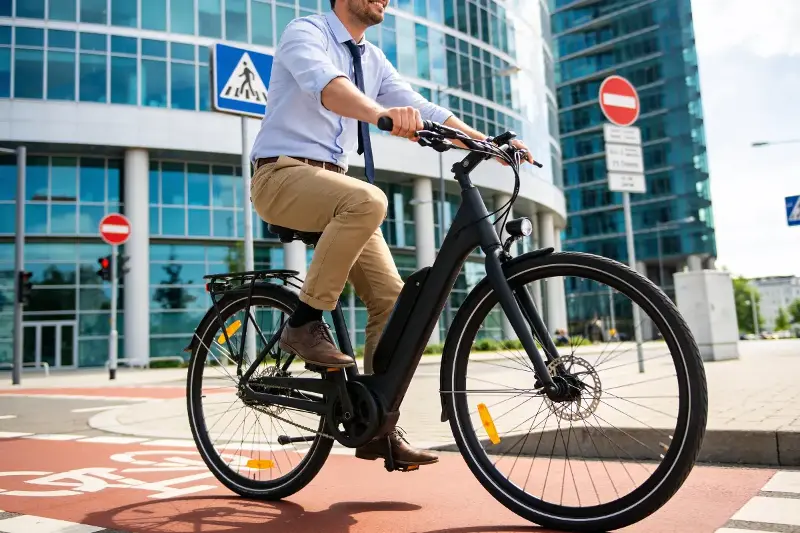
Infrastructure Makes the Real Difference
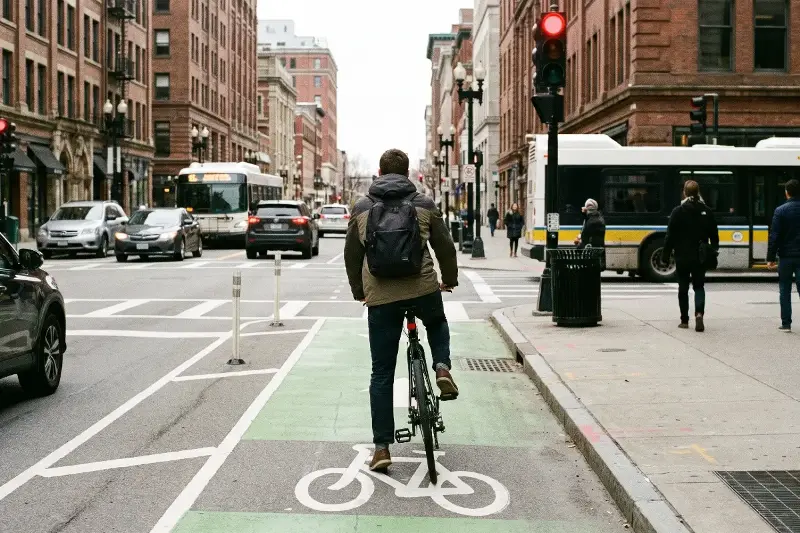
The growth of urban cycling depends directly on whether people feel safe on the road. Protected cycle lanes—separated from motor traffic by curbs, bollards, or green landscaping—are far more inviting than simple painted lines on busy streets. They give children, older adults, and new riders the confidence to choose cycling.
Beyond dedicated lanes, complete infrastructure requires:
-
Smarter Junction Design: Safety at intersections improves through dedicated bike signals, raised crossings, protected corners, and clearer visual markings.
-
Secure Parking Facilities: Riders need peace of mind when leaving their bikes. Facilities like covered racks, access-controlled hubs, lockable lockers, repair stands, and e-bike charging outlets encourage regular use.
-
Transit Connections: High-capacity bike parking at rail and metro stations makes combining cycling with public transport smooth and reliable.
Smart Technology and Shared Mobility Systems
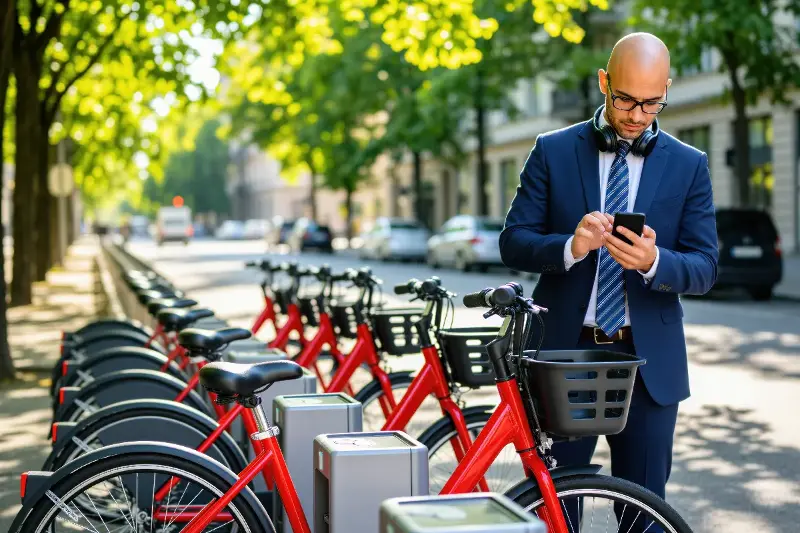
Digital tools are making micro-mobility increasingly accessible. Smartphone applications allow users to locate shared bicycles, check battery levels, view real-time route conditions, and coordinate public transport connections.
Modern shared mobility systems use advanced management tools to keep streets organized:
-
Flexible Shared Fleet Access: Bike-sharing platforms allow residents and visitors to unlock a bike for a quick journey without the commitment of ownership.
-
Geofencing Control: Operators use satellite positioning to designate virtual boundaries that regulate parking locations or automatically moderate speeds in crowded pedestrian areas.
-
Data-Driven Planning: Cities analyze anonymized trip data to map popular routes, fix safety hazards, and plan future infrastructure improvements accurately.
Connecting Cycling with Public Transport
Micro-mobility delivers its greatest value when connected to public transport systems. A bicycle or e-bike solves the "first and last mile" challenge, connecting residential neighbourhoods seamlessly to train lines and major bus corridors.
The ultimate goal is not to eliminate cars entirely, but to create a flexible transport network where walking, cycling, public transit, and shared vehicles each play a balanced role. With safe routes, smart technology, and thoughtful urban design, micro-mobility is helping cities build cleaner, healthier, and more livable environments for everyone.