



Passing the driving test is a major milestone, but real-world driving brings unique challenges that no learner’s handbook can fully recreate. New drivers are naturally cautious at first, yet small oversights can quickly lead to expensive maintenance bills, higher insurance claims, or preventable roadside stops.
Building smart habits early helps drivers protect their vehicle, preserve their budget, and keep everyone sharing the road safe. Most beginner errors are predictable and entirely preventable with a few simple routines.
Following Too Closely
One of the most common new-driver mistakes is driving too close to the vehicle ahead. Tailgating removes the critical time needed to react if traffic stops abruptly.
- The Three-Second Rule: Select a fixed landmark ahead, like a road sign. When the vehicle in front passes it, count "one thousand one, one thousand two, one thousand three." If you reach the landmark before finishing, fall back.
- Weather Adjustments: Expand your gap to four or five seconds in heavy rain, fog, darkness, or ice. Wet roads dramatically reduce tyre grip, requiring longer stopping distances.
- Financial Savings: Maintaining generous space allows for smoother deceleration, reducing wear on brake pads, saving fuel, and extending tyre life.
Leaving ample room is not timid driving; it is smart, protective driving that prevents costly rear-end collisions.
Ignoring Basic Vehicle Checks
A vehicle can start and move even when a tyre is soft, oil is low, or a warning light is signalling a developing issue. Routine care keeps small fixes from becoming massive repairs.
- Tyre Maintenance: Underinflated tyres wear rapidly along their outer edges, reduce fuel efficiency, and impair emergency handling. Check pressure monthly using the recommended PSI listed on the driver’s door frame.
- Dashboard Warning Lights: Never treat alert symbols as decoration. A sudden red oil-pressure warning or overheating alert requires prompt action to prevent major engine damage.
- Visibility Fundamentals: Routinely check engine coolant, windscreen washer fluid, headlight bulbs, and wiper blades. Clear visibility is a crucial safety feature during heavy rain or low winter sun.
Using the Phone at the Wrong Time
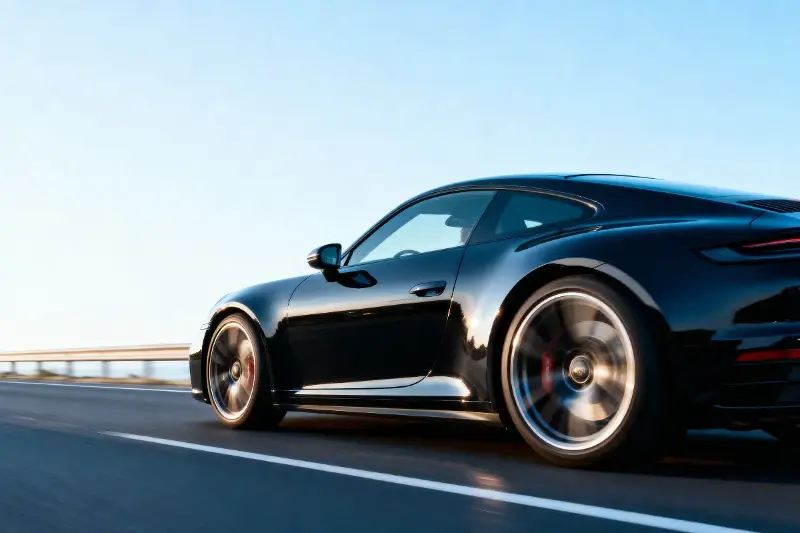
Reading a quick message may take only a few seconds, but at 50 km/h, a vehicle covers nearly 14 metres every single second. Looking down briefly means traveling blind for the length of several cars.
- Pre-Trip Setup: Input your GPS destination, select your playlist, and set climate controls before pulling away from the curb.
- Eliminate Temptation: Put your phone on silent, enable "Do Not Disturb While Driving" mode, or place the device entirely out of reach in the glove box.
- Stay Mindful: Even hands-free calls reduce situational awareness, making it harder to notice changing traffic lights, pedestrians, or sudden braking ahead.
Rushing Lane Changes and Junctions
Confidence grows with experience, but overconfidence can arrive much earlier. Rushing lane changes or assuming another driver will give way creates unnecessary risk.
- Mirror and Shoulder Checks: Always check mirrors, signal early, and perform a quick shoulder check over your blind spot before moving. Motorcycles and compact cars easily hide in blind spots.
- Verify Turning Signals: At junctions, never rely solely on another vehicle’s blinking indicator. Wait until you physically see the car begin its turn before pulling out.
- Respect Large Vehicles: Buses and trucks require wider turning radiuses and feature large blind spots. If you cannot see the driver's side mirrors, they cannot see you.
Braking Late and Misjudging Conditions
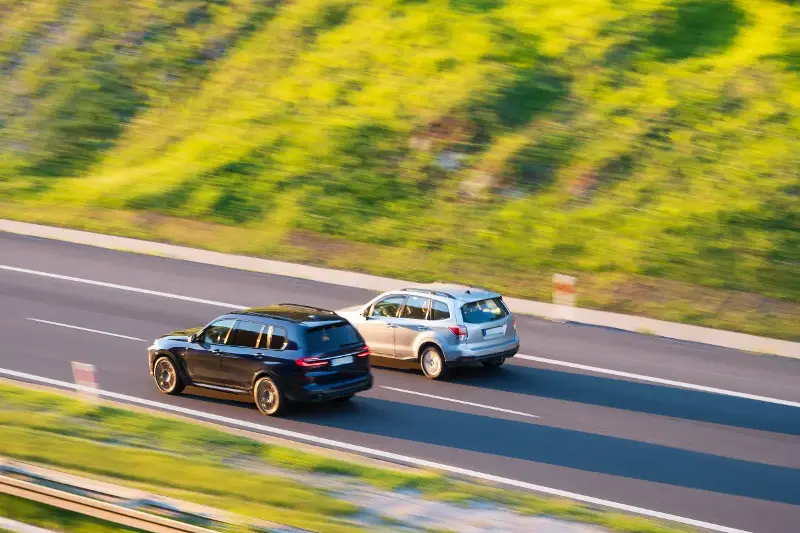
Speed limits represent the maximum safe speed under ideal conditions. A road marked at 80 km/h requires much slower driving during heavy rain, sharp bends, or low visibility.
Anticipate traffic flow by scanning far down the road rather than focusing only on the car directly ahead. Easing off the accelerator early when approaching traffic lights or roundabouts ensures smooth, controlled stops. Gentle acceleration and gradual braking improve fuel economy, protect key car components, and make every journey far calmer and more enjoyable.