


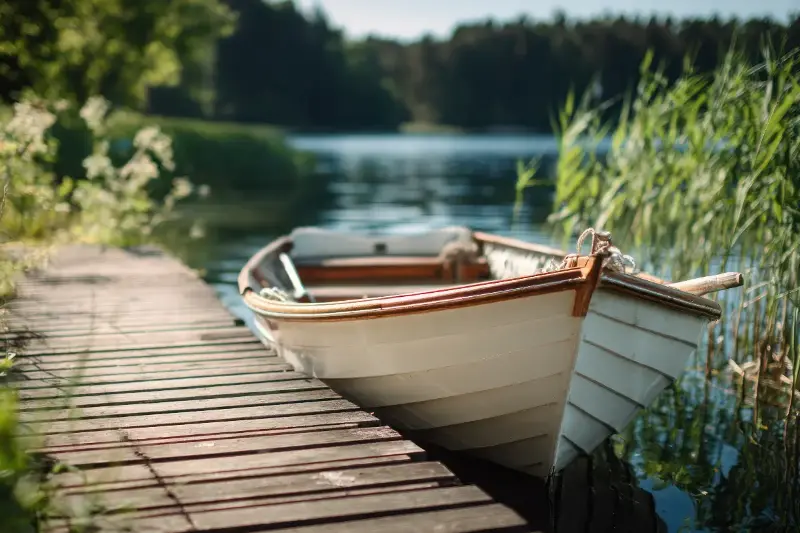
Rowboats are among the oldest and most enduring forms of water transport. Long before engines, sails, or modern navigation systems, people relied on simple wooden vessels and wooden paddles to cross rivers, fish along coasts, trade between settlements, and explore unfamiliar shores. Today, rowing continues to connect travelers with aquatic environments in a direct and peaceful way.
Whether it is a classic wooden skiff on an English lake, a sleek gondola navigating the canals of Venice, or a modern racing shell moving swiftly through competition waters, rowboats remain a timeless symbol of human skill, craftsmanship, and outdoor adventure.
Ancient Origins on the Water
The earliest known boats originated thousands of years ago from hollowed tree trunks. Archaeologists have uncovered ancient dugout canoes, including the Pesse canoe from the Netherlands, which dates back approximately 10,000 years. Although fundamentally distinct from modern craft, it demonstrates the core concept behind rowing: utilizing human muscle power to travel across water.
Historical civilizations relied heavily on rowed vessels for everyday life and expansion:
- Ancient Egypt: Used rowing vessels as a primary transportation highway along the Nile River, connecting farms, cities, and trade routes.
- Ancient Greece: Developed the trireme, an impressive vessel powered by up to 150 rowers working in tight synchronization.
- Ancient Rome: Utilized large galleys for transport and trade across the Mediterranean Sea.

Global Rowing Traditions
Different regions around the globe developed specialized rowing vessels tailored to their local waterways, climate, and cultural traditions:
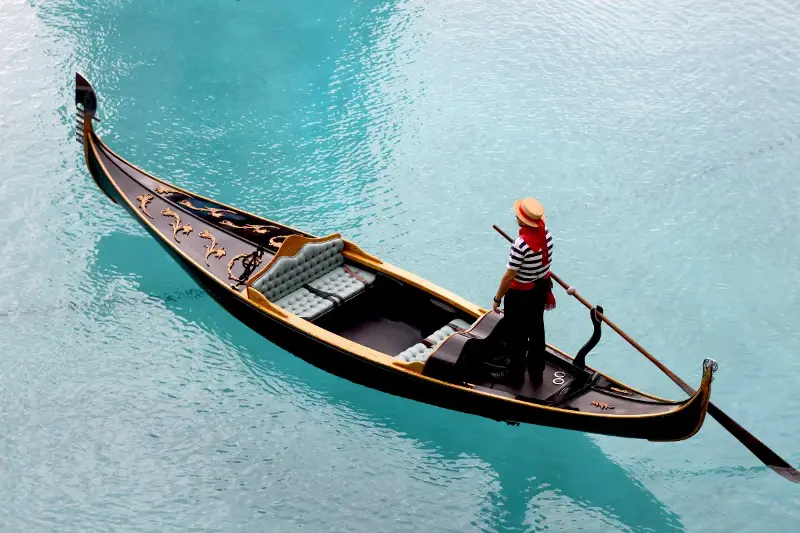
- Venice, Italy: Developed the iconic gondola, designed with an asymmetrical hull to navigate narrow canals using a single oar.
- United Kingdom: Established a rich rowing heritage on the River Thames, hosting famous events like the Oxford and Cambridge Boat Race, first held in 1829.
- Southeast Asia: Utilizes traditional wooden boats for floating markets, fishing communities, and wetland navigation in Thailand, Cambodia, and Vietnam.
- Japan: Preserved traditional wooden craft known as wasen, which are still featured in cultural festivals today.
- Arctic Regions: Indigenous peoples engineered lightweight, skin-covered vessels known as umiaks for travel and coastal navigation.
How a Rowboat Moves
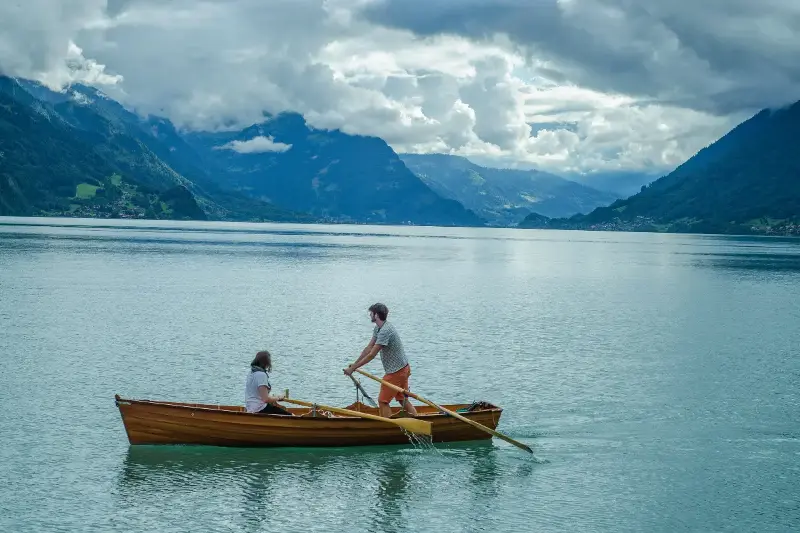
A rowboat propels forward using a remarkably effective system of mechanical leverage. The oar rests against an oarlock, which serves as a fixed pivot point. When a rower pulls the handle inward, the oar blade pushes water backward, driving the vessel forward in the opposite direction.
Proper rowing technique engages the entire body rather than relying solely on upper-body strength:
- Leg Drive: Generates the primary power stroke.
- Core Engagement: Transfers energy through the back and torso.
- Arm Finish: Completes the stroke smoothly.
This full-body motion makes rowing an excellent low-impact cardiovascular exercise that builds endurance, strengthens core muscle groups, and enhances physical coordination. Modern rowing features two primary disciplines: sculling (where each rower uses two oars) and sweep rowing (where each rower holds a single oar).
From Workboats to Outdoor Recreation
For centuries, rowboats served as vital everyday tools. Coastal communities depended on sturdy rowboats for netting fish, transporting agricultural goods across rivers, and conducting open-water rescue operations.
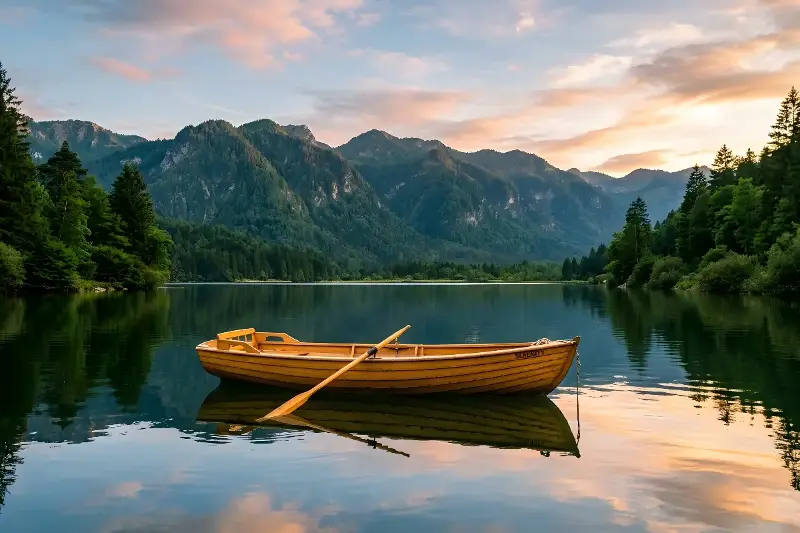
Today, rowing offers a quiet, eco-friendly way to explore nature. Because rowboats produce zero emissions and operate quietly, rowers can navigate shallow reed beds, hidden coves, and peaceful lakes to observe wildlife without disruption. Popular recreational rowing destinations include the Lake District in England, Central Park in New York, Lake Bled in Slovenia, and the scenic waterways of Scandinavia.
Essential Safety and Water Stewardship
While rowing is accessible, practicing safe boating habits remains essential:
- Personal Flotation Devices: Always wear a properly fitted life jacket.
- Weather Awareness: Monitor wind conditions and water temperatures before setting out.
- Communication Tools: Carry a whistle or mobile phone in a waterproof pouch.
- Environmental Care: Keep distance from nesting wildlife, prevent littering, and clean equipment to avoid spreading invasive species.
By moving at the natural pace of the water, rowboats offer a unique blend of history, fitness, and connection with the outdoors.