


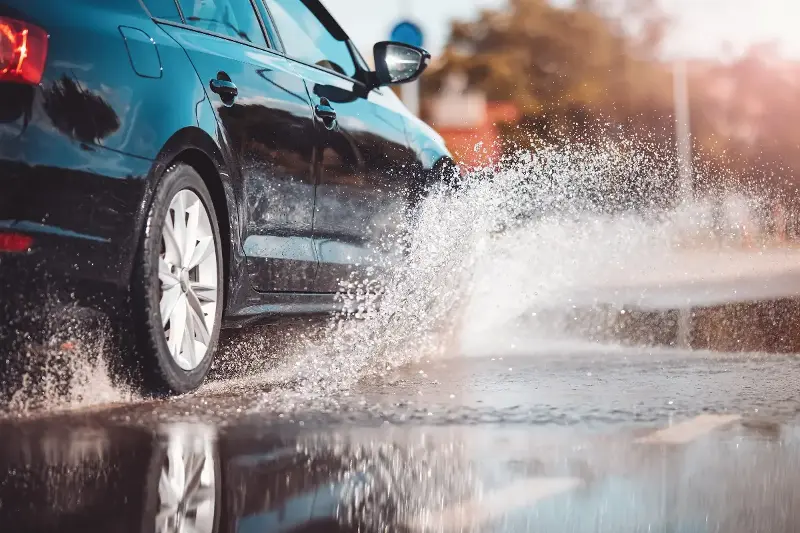
Rain dramatically changes the way a car behaves on the road. Wet surfaces become slippery, hidden potholes fill with water, and visibility drops rapidly. Preparing your vehicle before the wet season begins is one of the easiest ways to ensure safe, stress-free driving.
A little proactive care now can keep you moving smoothly through the heaviest storms. Focusing on key systems that affect grip, stopping distance, visibility, and electrical reliability will give you complete peace of mind.
Tyres and Tread Depth
Tyres are your vehicle’s primary defense against slippery road surfaces. Tread grooves channel water away from the contact area, allowing the rubber to maintain a firm grip on the asphalt.
- Prevent Aquaplaning: When tread depth is low, water cannot escape quickly enough, causing the tyre to glide across the water and leading to a loss of steering control.
- Check Tread Margins: While legal minimums often sit at 1.6 mm, wet-weather performance drops significantly before reaching that limit. Replacing tyres around 3 mm provides a much safer cushion.
- Maintain Ideal Pressures: Check tyre pressures when cold using the recommendations found on the driver’s door frame or owner's manual. Underinflated tyres wear unevenly and reduce fuel efficiency, while overinflated tyres reduce the contact area.
Brakes and Brake Fluid
Because wet roads increase stopping distances, your braking system must operate at peak performance:
- Watch for Warning Signs: Listen for squealing or grinding noises, and take action immediately if you feel pedal vibrations, soft pedal response, or pulling to one side.
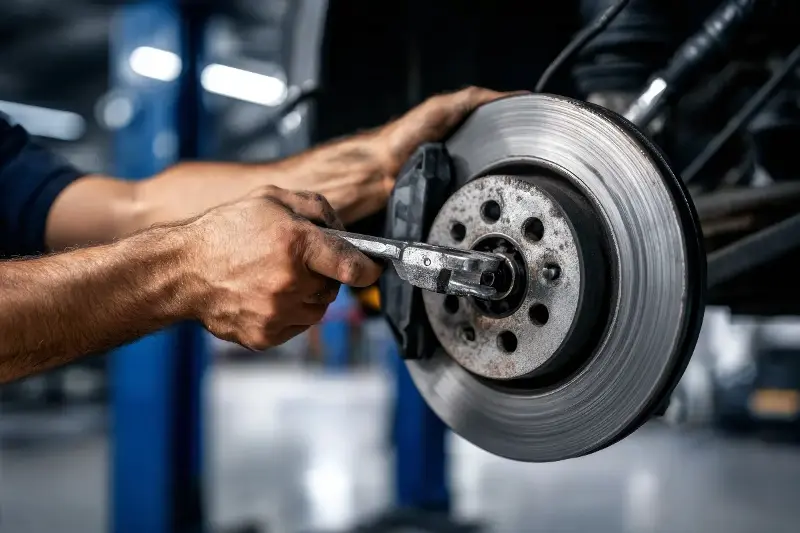
- Inspect Hardware Regularly: Have a professional technician measure pad thickness and inspect discs for score marks or uneven wear.
- Service Brake Fluid: Brake fluid naturally absorbs moisture over time, which lowers its boiling point and reduces stopping power. Replace it according to manufacturer recommendations—typically every two to three years.
Windscreen Wipers and Washer Fluid
Clear vision is absolutely vital during heavy downpours. Inspect rubber wiper blades for cracks, splits, or hardened edges.
- Replace Defective Blades: Install fresh wipers if they streak, skip, chatter, or leave unswept spots across the glass.
- Keep Glass Spotless: Thoroughly clean the inside and outside of windows to remove oily road film that causes dangerous headlight glare.
- Top Up Screenwash: Fill the reservoir with a high-quality screenwash mixture that cleans away road grime effectively and keeps washer jets spraying smoothly.
Lights and Electrical System
Overcast skies and heavy spray reduce your visibility to other motorists.
- Perform a Light Sweep: Walk around the car to test headlights, indicators, brake lamps, and rear fog lights. Clear away any yellowing or haze on headlight lenses to maximize beam output.
- Check Headlamp Alignment: Properly aligned lights illuminate the road clearly without dazzling oncoming traffic.
- Test Battery Health: Rainy conditions place a heavy demand on the electrical system as wipers, demisters, headlights, and blowers run simultaneously. Have a technician test the battery and alternator to avoid unexpected delays.

Cooling, Seals, and Drainage
Protecting your car’s interior and mechanical components from moisture is essential for long-term vehicle health:
- Inspect Cabin Seals: Examine rubber door, boot, and sunroof seals for cracks or loose areas that could let water seep inside.
- Clear Drain Channels: Remove fallen leaves and debris from drainage channels around the base of the windscreen and sunroof. Blocked drains can divert water straight into cabin footwells or delicate electrical modules.
- Verify Cooling Systems: Maintain proper coolant levels when the engine is cool to prevent internal corrosion and ensure balanced operating temperatures year-round.
Essential Emergency Items
Carrying a few practical supplies makes handling unexpected rain delays much simpler:
- Illumination & Safety: Keep a bright torch, high-visibility vest, phone charging cable, and basic first-aid kit inside the glovebox.
- Tire Management: Store a compact tyre inflator and pressure gauge in the boot for quick checks.
- Water Safety: Avoid driving through deep standing water, as it can conceal deep potholes or damage electrical components. After passing through shallow puddles, gently tap the brake pedal to dry off the pads.
Proper maintenance takes the stress out of rainy drives. With responsive brakes, healthy tyres, crystal-clear glass, and bright lights, your vehicle will stay dependable and secure through every seasonal storm.