


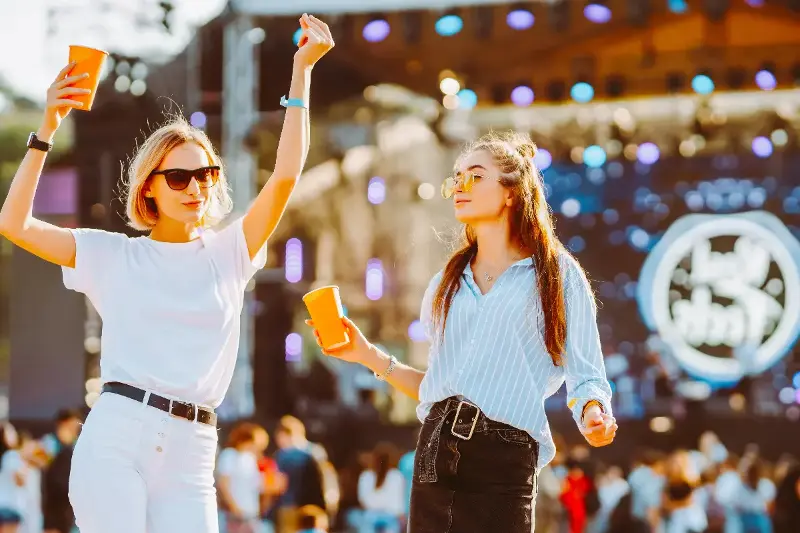
For much of the 20th century, consumer success was measured in physical possessions: a larger car, a better television, or a wardrobe full of branded clothes. Today, while quality goods remain appreciated, a growing share of global spending is directed toward something less tangible: memorable, meaningful experiences.
Concerts, fine dining, fitness classes, wellness retreats, and creative workshops have become central to modern life. This shift defines the experience economy—a vibrant marketplace where businesses compete not just on price, but on emotion, convenience, participation, and lasting memories.
Why Experiences Feel More Valuable
A physical product can be useful, but it often blends into the background of everyday life. Experiences, by contrast, gain value over time because they are tied to personal identity, relationships, and storytelling.
- The Power of Memory: The initial excitement of a new device or pair of shoes naturally fades through familiarity. Memories, however, can be revisited and cherished for a lifetime.
- Sense of Achievement: Participating in a local cooking class or completing a group workshop offers a lasting feeling of personal accomplishment.
- Social Connection: Experiential moments are inherently social. Sharing a festival with friends or recommending a cozy local venue strengthens human bonds both in person and through digital storytelling.
Researchers consistently find that people derive more enduring satisfaction from experiential purchases than from material ones.

A Global Shift With Rich Local Flavour
The experience economy is a worldwide phenomenon deeply shaped by local culture:
- In Asia: Consumers seek immersive retail spaces, seasonal festivals, and interactive themed venues.
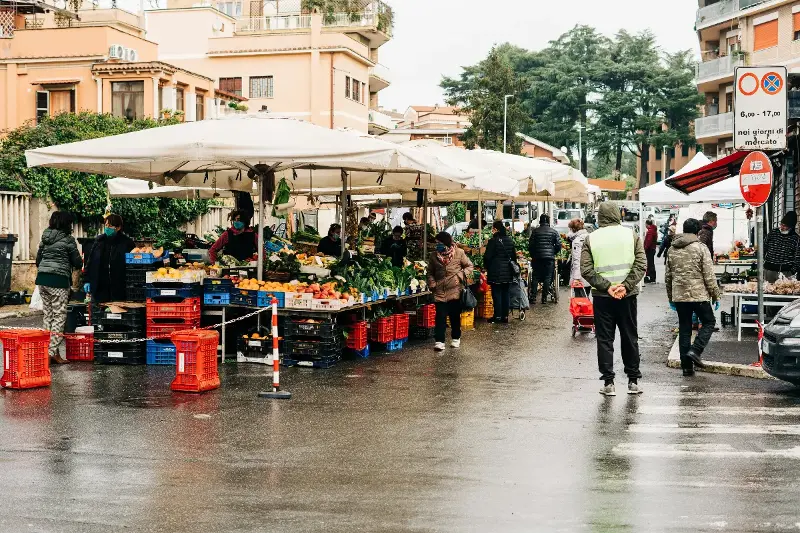
- In Europe: Cultural city breaks seamlessly blend historic exploration, live music, and regional cuisine.
- In Emerging Markets: Rising incomes are driving vibrant demand for domestic travel, family entertainment, and boutique dining.
Travel remains the brightest highlight of this trend. Today’s travelers increasingly seek enriching activities over simple accommodation—guided food tours, wildlife encounters, and local craft workshops make journeys truly unforgettable. In response, modern hotels offer wellness programs, while restaurants design open-kitchen storytelling concepts to engage guests.
How Technology Makes Participation Effortless
Digital innovation has made discovering and personalizing experiences smoother than ever.
- Frictionless Booking: Mobile apps allow consumers to reserve seats, explore itineraries, and join virtual queues in seconds.
- Smart Payments: Contactless mobile payment systems eliminate hassle, letting guests focus entirely on enjoying the event.
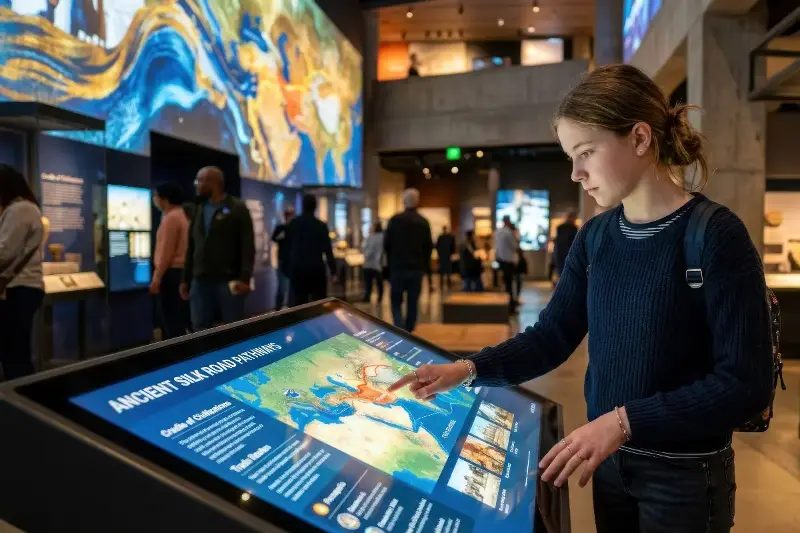
- Augmented Exploration: Interactive digital overlays bring museum exhibits to life, while virtual previews help shoppers visualize creative setups.
At the same time, the most successful brands recognize that technology is simply a tool. Smooth software can never replace genuine human warmth, attentive service, and real connection.
The Business Opportunity Beyond Selling Products
For forward-thinking companies, focusing on experiences builds deep customer loyalty that competitor products cannot easily replicate:
- Community Building: Sportswear brands host community running clubs; bookstores organize live author readings; coffee roasters offer bean-tasting sessions.
- Subscription Value: Membership passes for fitness centers, streaming platforms, and cultural institutions foster ongoing engagement and ongoing trust.
While household economic choices require thoughtful budgeting, and environmental awareness inspires eco-friendly travel and reusable options, the core demand for quality experiences remains strong. Consumers are looking for goods that complement meaningful lives and services that create moments worth remembering.