



When it comes to parenting, one question consistently pops up at dinner tables and on playgrounds: how can I help my child reach their full height potential? Height is shaped by a unique blend of genetics, lifestyle, and nutrition. While we cannot rewrite our DNA, parents hold significant influence over the nourishment that fuels a child’s growth journey. Understanding the essential nutrients for development is more than just informative—it is empowering. Let’s explore the science behind healthy growth and focus on building a strong foundation.
THE ROLE OF NUTRITION IN GROWTH
Growth is a complex process conducted by hormones, sleep, genetics, and, most importantly, fuel. During childhood, bodies are on a fast track of bone lengthening, muscle building, and tissue repair. Daily nutritional choices act as the vital building blocks that provide strength and structure to maximize physical development during crucial growing years.
To achieve their natural genetic potential, children require specific vitamins, minerals, and proteins at every developmental stage. Focusing on a nutrient-dense diet is far more effective for long-term health than looking for quick fixes.
PROTEIN: THE FOUNDATION OF GROWTH
Protein is the primary "building block" of the body. It provides the essential materials for new cells, repairs tissues, and constructs vital muscles and bones. Children who consistently lack adequate protein may experience slower height gain.
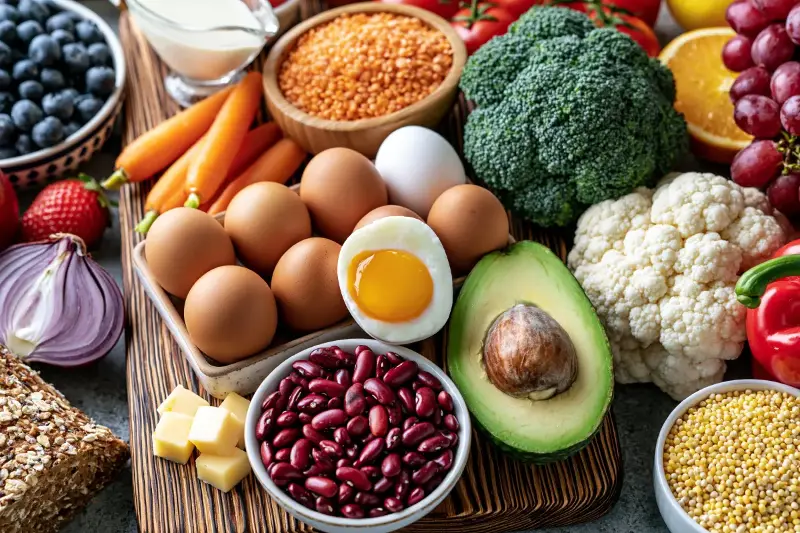
- Animal proteins: Excellent sources include eggs, dairy, fish, poultry, and lean meats, all of which contain a full profile of essential amino acids.
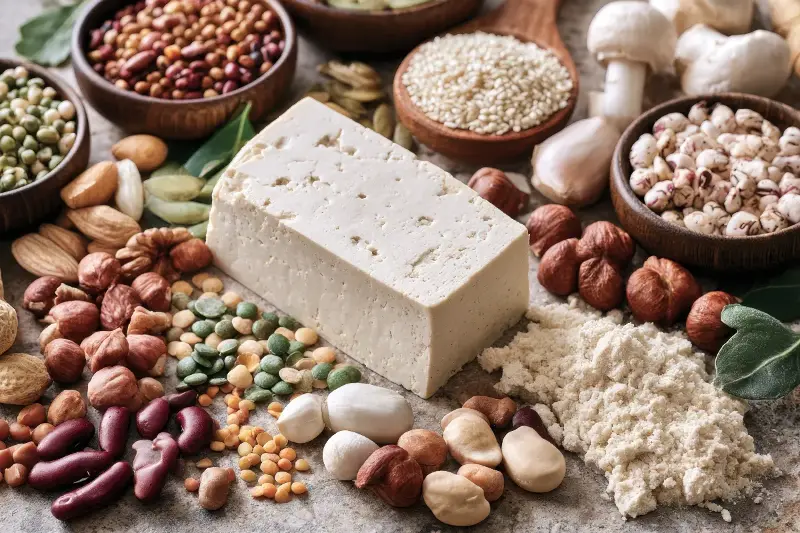
- Plant-based options: If your family prefers plant-based meals, you can still achieve a complete protein profile by combining beans, lentils, tofu, quinoa, and nuts.
Aim to include a high-quality protein source in each meal to help your child thrive.
CALCIUM AND VITAMIN D: BUILDING STRONG BONES
If you want to support strong bone structure, calcium and vitamin D are non-negotiable. Calcium acts as the structural "bricks" of the skeleton, while vitamin D acts as the foreman, ensuring the body effectively absorbs and deposits that calcium where it is needed most.
- Calcium Sources: Milk, yogurt, cheese, broccoli, almonds, and leafy greens like spinach and kale.
- Vitamin D Sources: Sunlight is the best natural provider—encourage at least 20 minutes of outdoor play daily. Dietary options include fortified cereals, eggs, and oily fish like salmon.

ZINC: AN OVERLOOKED GROWTH BOOSTER
While it may receive less publicity than calcium, zinc is essential for growth hormone production and cellular development. Studies suggest that zinc deficiency can be linked to impaired growth in children.
You can easily incorporate more zinc into your family's diet through:
- Red meat and shellfish
- Chickpeas and various beans
- Seeds, nuts, and whole grains
IRON: KEEPING OXYGEN FLOWING
Iron fuels the body’s energy and assists in carrying oxygen to every growing cell. Because iron deficiency can stunt growth and impact overall energy levels, it is vital to keep intake steady.
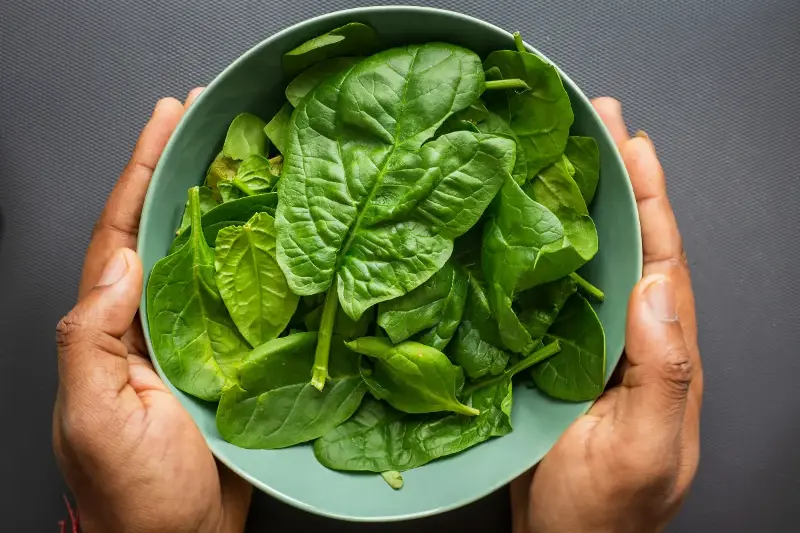
To boost absorption, pair iron-rich foods—such as lean meats, lentils, and spinach—with vitamin C-rich foods like oranges, strawberries, or bell peppers.
THE POWER OF A BALANCED DIET
Beyond the major nutrients, magnesium, phosphorus, and vitamins A and K contribute significantly to bone health, while B vitamins support energy metabolism.
Encourage your child to eat a "rainbow" of fruits and vegetables every week. Focus on whole grains, healthy fats, and lean proteins, while minimizing reliance on highly processed foods and sugary drinks that offer little nutritional value.

PRACTICAL TIPS FOR PARENTS
Making small, consistent changes is far more effective than overhauling your entire menu overnight. Consider these simple habits:
- Prioritize protein at every meal and snack.
- Offer dairy or calcium-fortified alternatives daily.
- Promote outdoor play to ensure natural vitamin D exposure.
- Make mealtime fun by inviting children to help cook and select colorful produce.
Remember, every child grows at their own unique pace. Nutrition is a powerful tool to support them—not to force a specific outcome, but to help them become their healthiest, strongest selves. By fueling their body with the right nutrients, you are building a foundation that lasts a lifetime.