


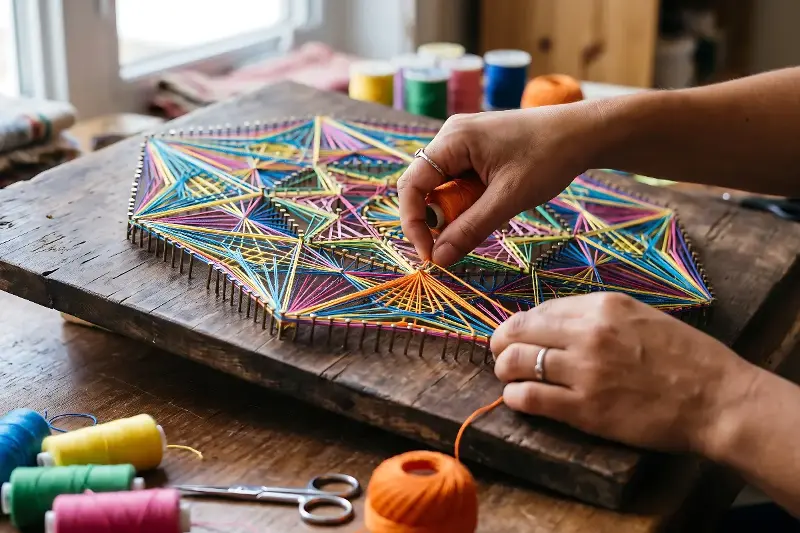
A handmade object carries a unique energy that mass-produced goods rarely match. It might be a slightly uneven ceramic mug, a knitted scarf with a tiny missed stitch, or a hand-carved wooden shelf that smells faintly of pine. These subtle details are not flaws to be hidden—they are evidence of time, attention, and a real person’s artistic touch.
The appeal is deeply human. For thousands of years, people have shaped clay, woven fibers, carved wood, and decorated everyday tools. Some of the oldest known ceramic objects are roughly 20,000 years old. Long before shopping became instant and digital, making things was a vital part of daily life. Today, the desire to create has not vanished. In many ways, it has become far more meaningful.
The Beauty of Imperfection
Handmade creations feel special because they are individual. While a machine produces thousands of identical bowls, a potter’s wheel leaves subtle variations in shape, glaze, and texture that give each piece distinct personality.
- Wabi-Sabi Inspiration: This traditional Japanese aesthetic finds deep beauty in imperfection, age, and simplicity, reminding us that flawless design lacks character.
- Thoughtful Connections: A hand-drawn birthday card or custom gift means far more because someone selected the colors and spent precious time creating it.
- The Power of Effort: In a fast-moving world, the time and effort invested in a project become an integral part of the gift itself.
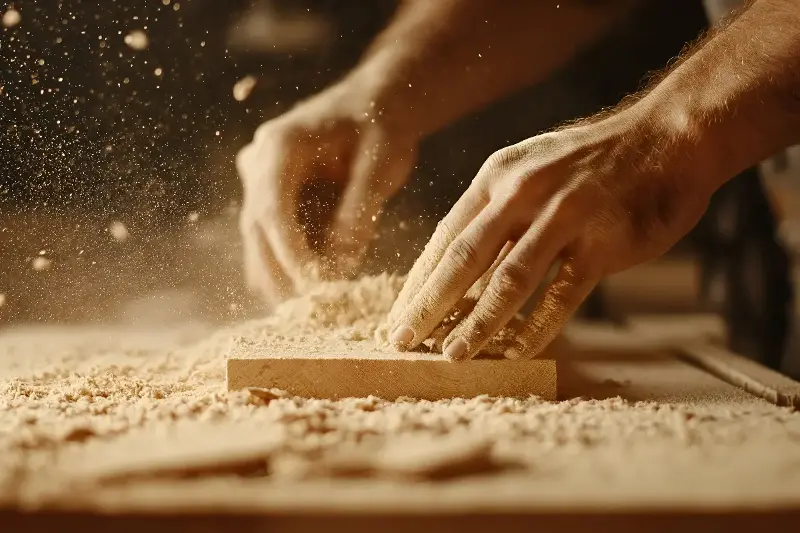
Making with the Hands Calms the Mind
Crafting is not only about the finished product; the creative process is deeply rewarding on its own. Repetitive activities like knitting, embroidery, woodworking, or paper folding encourage focus and establish a soothing, mindful rhythm.
- Entering the Flow State: Engaging in clear, hands-on steps allows the mind to enter a state of deep concentration, temporarily sweeping away daily worries.
- Problem-Solving in Action: Counting stitches, mixing paint, or measuring joints gives the brain a satisfying, practical puzzle to solve.
- Building Resilience: Undoing a row of knitting or smoothing a cracked clay piece teaches patience, flexibility, and emotional balance.
Regular artistic activity consistently boosts overall mood and enhances well-being, proving that perfection is never required to enjoy the process.
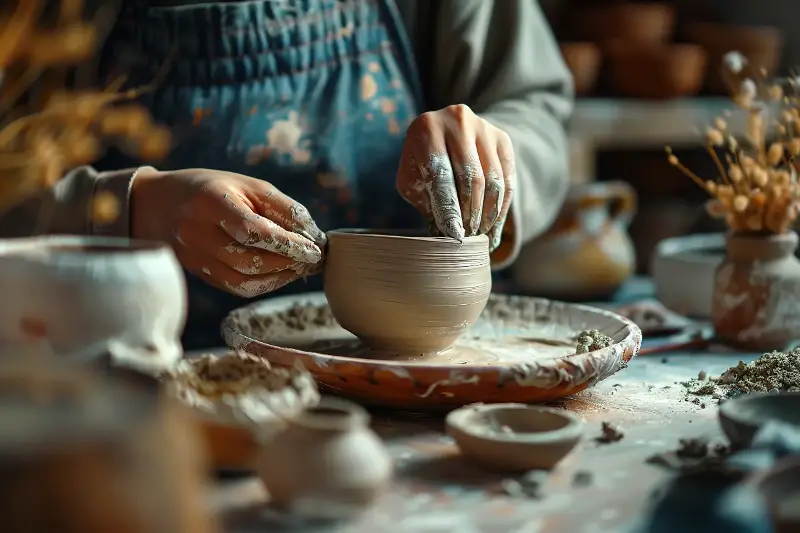
A Personal Answer to Mass Production
Handmade goods offer a refreshing alternative to disposable culture. When people understand the effort required to craft an object, they are far more likely to value, maintain, and cherish it over time.
- Visible Mending: Learning to mend a torn seam, replace buttons, or add colorful embroidery turns simple garment repairs into beautiful artistic statements.
- Extending Life Cycles: Repairing favorite clothing and home goods prevents unnecessary waste and breathes new life into cherished items.
- Supporting Local Artisans: Buying directly from potters, woodworkers, and textile designers helps preserve traditional heritage skills for future generations.
Why Handmade Gifts Stay in Memory
A handmade gift often becomes a treasured family keepsake. Children hold onto a grandparent’s knitted blanket for decades, while a hand-built dining table becomes the centerpiece for family gatherings, morning coffees, and shared celebrations.
- Personalized Touches: Makers can incorporate favorite colors, custom initials, or special symbols tailored precisely to the recipient.
- Preserving Cultural Traditions: Quilting patterns, basket weaving, and lace-making pass through generations, connecting people to their heritage.
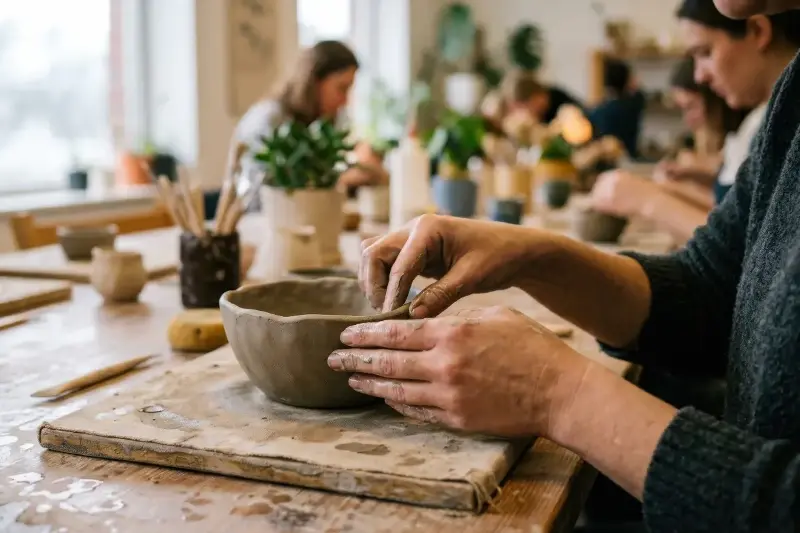
- The Joy of Learning: Craft workshops give adults a welcoming space to learn new skills, prove their capabilities, and step away from digital screens.
We keep making things because creation satisfies more than a practical need. Whether crafting a cozy cardigan or building a wooden frame, handmade work proves that our hands are capable of creating lasting beauty.