



Most pet owners have had the uncanny feeling that their dog, cat, or even parrot fully understands not just the words, but the meaning and emotion behind what is being said. Maybe your dog perks up when you mention a walk, or your cat dashes to the kitchen when you nonchalantly mention dinner.
But how much of our language do pets actually grasp? And what is really going on in the invisible threads of connection between humans and their animal companions? Let’s dig into what science and the growing field of animal cognition have to say about how pets perceive our words—and our hearts.
THE LIMITS OF LANGUAGE: WHAT PETS ACTUALLY HEAR
For years, scientists assumed animals responded only to tone of voice or gestures. However, newer studies are painting a much more complex picture.
- Dogs and "Fast Mapping": Dogs can learn to associate specific sounds with objects. A famous Border Collie named Rico knew over 200 words and could retrieve the correct toy upon request—a skill previously thought to belong only to human toddlers.
- The Intentional Cat: While cats are famously independent, research reveals they can distinguish their owner’s voice from a stranger's and recognize word patterns with consistent use.
- Contextual Parrots: African Grey parrots don't just mimic; with training, some use words contextually—for example, saying "apple" only when they actually want to eat one.
Despite these feats, most pets do not understand complex grammar. Instead, they pair specific "trigger words" with your intonation, gestures, and daily routine.
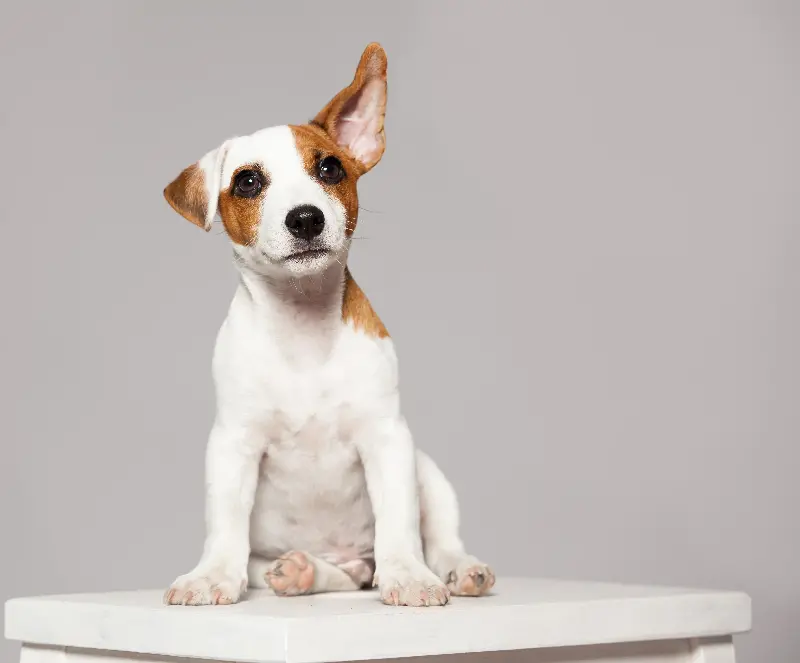
BEYOND WORDS: SCENT, SIGHT, AND SOUND
For a pet, language is a multisensory experience. They aren't just listening to your vocabulary; they are reading your entire biological state.
- Chemical Signalling: A dog’s sense of smell is 10,000 to 100,000 times more sensitive than a human's. Research in Animal Cognition suggests dogs detect emotional changes via scents in our sweat or breath. You are sending out a "bouquet" of chemical signals every time you speak.
- Visual Fluency: Dogs and horses are masters of body language. They can discern human facial expressions and adjust their behavior before you even finish your sentence.
- Emotional Prosody: Pets are highly attuned to how you say something. A sharp command versus soothing praise triggers entirely different neurological responses, rooted in thousands of years of shared evolution.
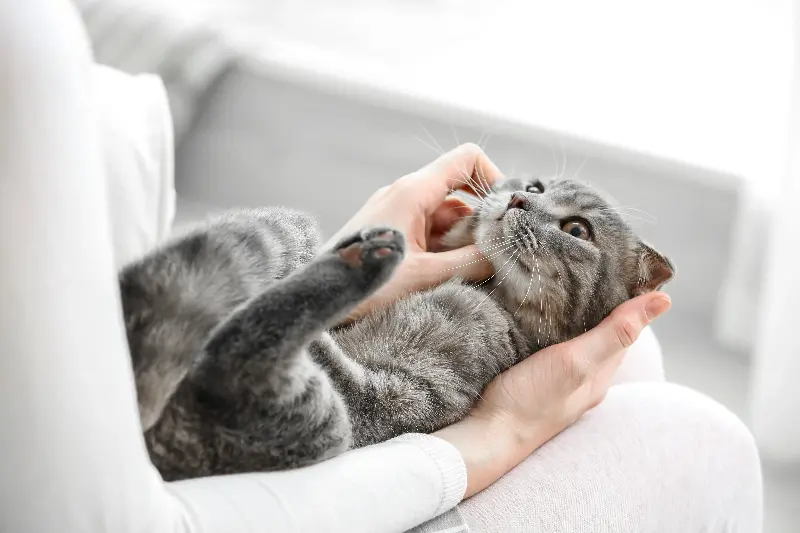
UNVEILING THE HIDDEN CHEMISTRY: THE OXITOCIN LOOP
Human-animal bonds go deeper than simple signals; they are powered by the "love hormone," oxytocin. This chemical creates a biological circuit of trust and affection.
- The Gaze Effect: A 2015 Japanese study documented that when owners and dogs look into each other’s eyes, both experience a surge in oxytocin. This mirrors the neurochemical bond between human mothers and their infants.
- A Two-Way Street: Cats also show increased oxytocin after positive interactions with humans, though the spikes are often more subtle.
- Physical Grounding: The simple act of petting or cuddling lowers stress hormones (cortisol) in both species, reinforcing a deep emotional safety net.

HOW ENVIRONMENT SHARPENS COMMUNICATION
Pet communication isn’t just biological—it is a learned skill refined by your lifestyle.
- Responsive Environments: Animals raised where instructions are paired with praise and routine develop a significantly larger "vocabulary."
- Linguistic Adaptation: Cross-cultural studies show that pets actually adapt to the specific language of their home. A dog in Budapest responds better to Hungarian than English, proving their learning is incredibly flexible.
- The Power of Immersion: Pets in busy, interactive homes are exposed to a constant stream of human emotion and language. This "immersion" encourages more robust learning compared to animals that lack frequent social engagement.

CONCLUSION: CLOSER THAN WE THINK
So, do pets understand human language? Not in the way a person does. However, by weaving together word recognition, emotional cues, and invisible chemistry, they respond with a sophistication that surprises even the experts.
The real magic lies not in the dictionary definition of our words, but in the hidden language of trust—a silent communication as old as the human-animal bond itself.