


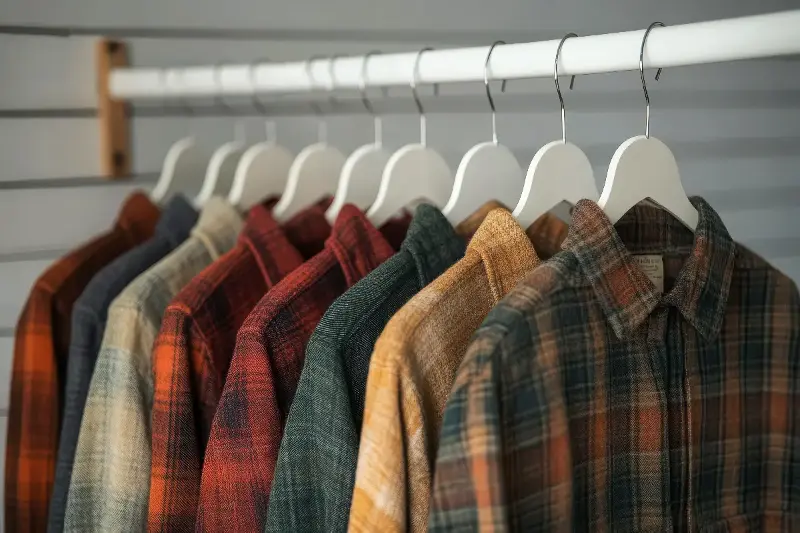
Flannel has lasted far beyond its historic reputation because it solves a practical outdoor challenge with exceptional ease: it delivers noticeable warmth without feeling stiff or overly technical. A well-crafted flannel shirt sits comfortably between a base layer and a shell, functions as a reliable light jacket around camp, or provides essential warmth when temperatures dip after sunset.
The fabric itself carries a rich history. The name flannel is widely linked to the Welsh word "gwlanen," which refers to woven woollen cloth. Early flannels were made entirely from wool, highly valued for resilience in damp, windy conditions. Today, while casual versions often feature soft cotton, outdoor-focused flannels frequently blend cotton with polyester, wool, nylon, or stretch fibres to enhance drying speed and long-term durability.
What Makes Flannel Feel So Warm
Flannel’s signature softness comes from a meticulous finishing process known as brushing. This technique gently lifts fine surface fibres to create a fuzzy, insulating layer known as the nap.
- Air Trapping: The raised fibres trap small pockets of still air close to the body, creating natural thermal insulation.
- Superior Comfort: This fuzzy texture feels significantly warmer against the skin than a standard, smooth cotton shirt of similar weight.
- Variable Weights: A medium-weight flannel provides ideal warmth during autumn hikes and crisp camp mornings, while heavy overshirt flannel can comfortably replace a light fleece.
The overall warmth always depends on the fabric composition. While lightweight cotton works beautifully indoors, dense wool-blend flannels offer superior insulation against cool mountain breezes.

The Advantage of Versatile Layering
The best outdoor apparel earns its place through multi-season versatility, and flannel excels in changing conditions. It can be worn open over a shirt in mild weather, buttoned over a thermal base layer in colder climates, or tucked underneath an insulated vest or rain shell.
For active outdoor adventures, strategic layering ensures maximum comfort:
- Base Layer: Start with a moisture-wicking material like merino wool or high-performance polyester next to the skin.
- Mid-Layer: Add your flannel shirt to capture body heat while maintaining excellent breathability.
- Outer Layer: Cap with a windproof or waterproof shell during active exertion.
The classic button-front design offers immediate temperature control. Rolled sleeves, unbuttoned cuffs, and an open collar provide effortless ventilation whenever the trail steepens or the afternoon sun breaks through.
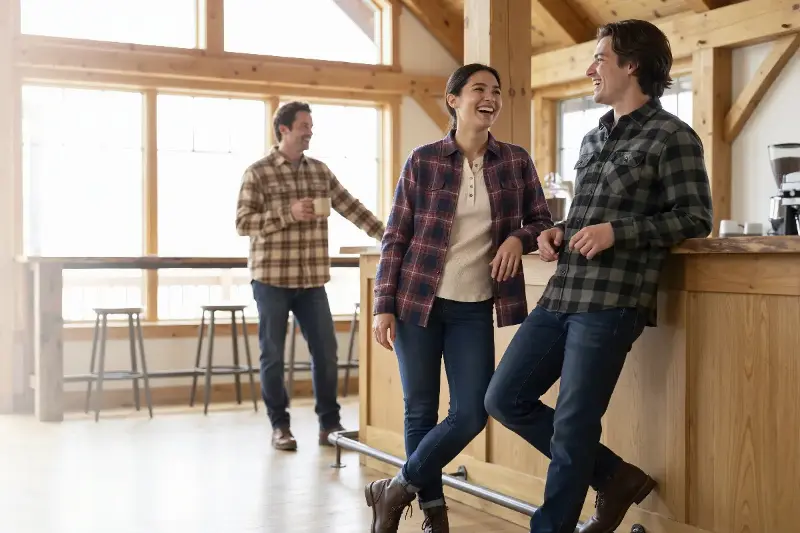
From Workwear to Outdoor Essential
Flannel shirts originally earned their iconic status in physical labour because they were affordable, comfortable, and incredibly tough. Traditional checked patterns helped disguise everyday dust and wear, making them a staple across forestry, ranching, and outdoor trades.
Modern flannel retains that straightforward, practical design:
- Functional Storage: Deep chest pockets easily hold trail guides, sunglasses, or small tools.
- Extended Coverage: A longer back hem provides extra protection when bending or sitting on damp logs.
- Reinforced Durability: Double-stitched seams and reinforced elbows help the fabric withstand heavy backpack straps.
It is worth noting that plaid refers specifically to the checked pattern, whereas flannel refers to the fabric texture itself. A quality flannel shirt can be solid, striped, or checked.

Choosing the Right Outdoor Flannel
Selecting the ideal shirt comes down to your planned environment and activity level:
- 100% Cotton: Best for relaxed camp settings, weekend travel, and dry weather where softness and classic breathability matter most.
- Wool Blends: Ideal for unpredictable weather, as wool retains insulating power even when damp and naturally resists odors.
- Synthetic Blends: Polyester and elastane additions boost abrasion resistance, speed up drying times, and allow flexible shoulder movement.
Pay close attention to fit when shopping. A well-fitted shirt should allow you to reach forward comfortably and layer a thermal top underneath without pulling across the back.
Flannel remains an outdoor favorite because it seamlessly blends performance, comfort, and classic style. Whether you are navigating crisp morning trails or relaxing by an evening campfire, a dependable flannel shirt delivers comfort every step of the way.