


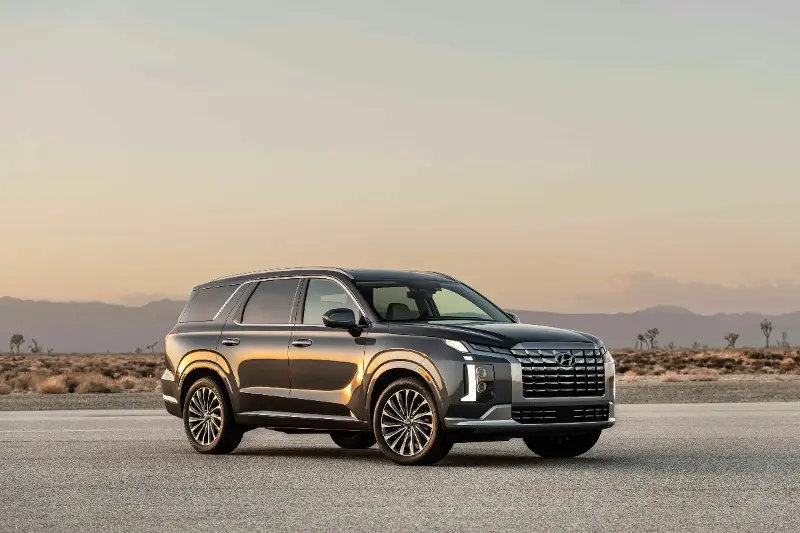
Shopping for an SUV can feel confusing because many vehicles share the same tall stance, spacious cabin, and rugged exterior trim. Yet a crossover and a traditional SUV are engineered for completely different priorities. One is designed around everyday comfort and fuel efficiency, while the other is built for heavy-duty work and challenging terrain. Understanding these underlying differences ensures you do not overpay for capability you will never use—or select a vehicle that falls short of your real-world demands.
While the term "SUV" is used broadly in automotive marketing, the underlying structure reveals the true character of the vehicle.
The Fundamental Structure
The primary difference between these two vehicle types lies in their chassis construction:
- Unibody Construction (Crossovers): The body and frame are integrated into a single, cohesive unit—much like a traditional passenger sedan. This design is lighter, more rigid for road travel, and exceptionally good at absorbing impacts. It also creates a lower interior floor for easier entry and exit. Common examples include the Honda CR-V, Toyota RAV4, and Mazda CX-5.
- Body-on-Frame Construction (Traditional SUVs): The vehicle body sits atop a heavy-duty, separate steel frame similar to a pickup truck. While heavier, this architecture delivers superior durability, massive towing capacity, and extreme off-road strength. Iconic examples include the Toyota 4Runner, Ford Bronco, and Jeep Wrangler, as well as full-size models like the Chevrolet Tahoe and Ford Expedition.
Everyday Comfort and Road Manners
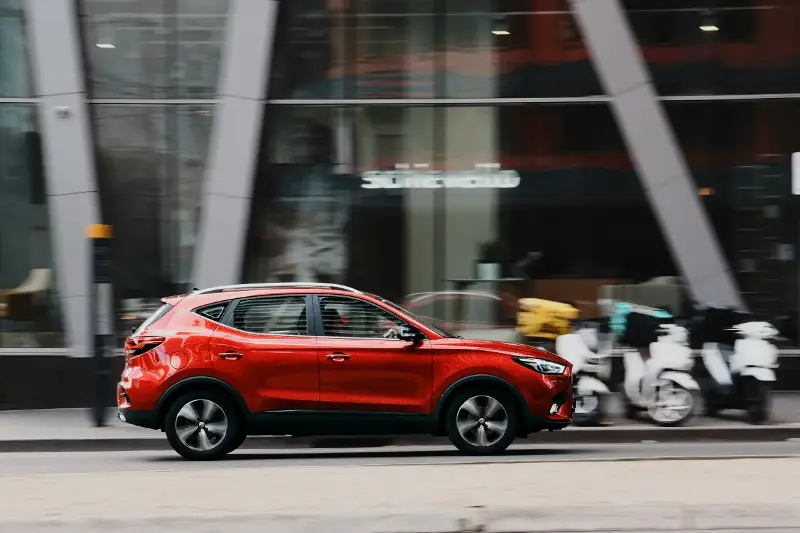
For daily commutes, family errands, and long highway trips, a crossover is generally the more pleasant daily driver. Its lighter frame and passenger-car suspension deliver a smoother ride, tighter steering response, and minimal body roll.
Efficiency is another major advantage:
- Compact Crossovers: Frequently achieve fuel economy in the high 20s to mid-30s miles per gallon during mixed driving.
- Hybrid Options: Further maximize efficiency without altering daily driving habits.
- Traditional SUVs: Offer a commanding view and robust feel, but their truck-based underpinnings result in a firmer ride, slower steering, and higher fuel consumption.
Towing and Carrying Capability
Towing performance represents one of the clearest dividing lines:
- Crossover Limits: Compact models typically tow between 1,500 and 3,500 pounds—ideal for small utility trailers, personal watercraft, or lightweight campers. Midsize crossovers can reach up to 5,000 pounds.
- Traditional SUV Power: Built for serious hauling, body-on-frame models can tow between 6,000 to over 9,000 pounds thanks to heavy-duty cooling systems, reinforced suspensions, and high-torque engines.
Note: Always factor in payload limits. Passengers, cargo, and trailer tongue weight all count against your vehicle's total capacity.
All-Wheel Drive Versus Four-Wheel Drive
Traction systems are tailored to distinct environments:
- All-Wheel Drive (AWD): Found on most crossovers, AWD automatically routes power to wheels with the best grip. It excels in rain, light snow, slush, and loose gravel.
- Four-Wheel Drive (4WD): Standard on true SUVs, low-range 4WD multiplies low-speed engine torque to crawl over rocks, climb steep inclines, and power through deep mud or sand. These models often feature skid plates, locking differentials, and high ground clearance.
Making the Right Choice
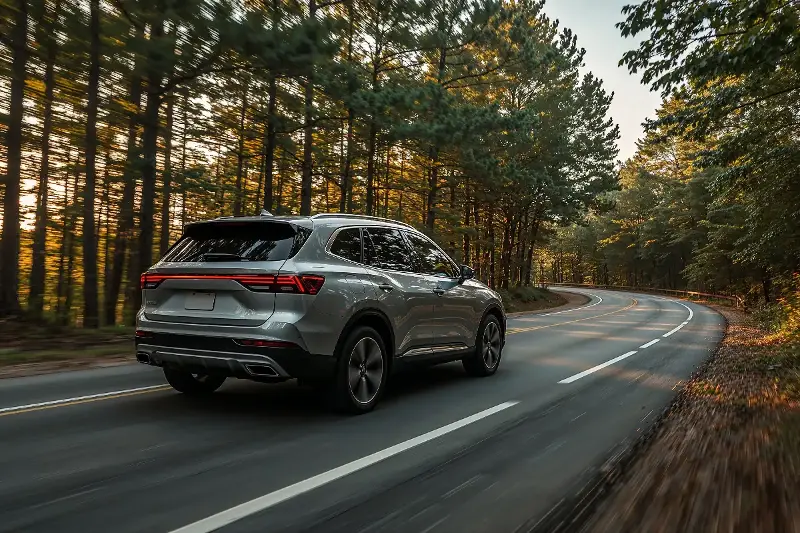
A crossover is the ideal solution for most drivers seeking all-weather confidence, superior fuel economy, and effortless comfort. A traditional SUV earns its place when heavy towing, remote trails, or demanding outdoor utility are genuine requirements. Matching your vehicle choice to your actual lifestyle ensures years of reliable, enjoyable driving.