


Traveling the globe isn’t just about collecting passport stamps or snapping pictures in front of famous monuments. It’s about diving into the rich and diverse cultures that make each country unique. Every destination has its own set of unwritten rules—those quiet signals, gestures, and expectations that locals practice without a second thought.
Unraveling these customs can turn a simple trip into a deeply meaningful experience and help you avoid unintentional blunders. Understanding essential cultural rules across the globe will help you navigate your next journey with confidence and respect.
GREETINGS AND FIRST IMPRESSIONS
One of the most universal yet overlooked aspects of culture is how people greet each other. While a firm handshake is standard in many Western countries, the same gesture might seem out of place elsewhere.
- Physical Greetings: In Japan, a bow is the traditional greeting, with the depth reflecting the level of respect. Thailand offers the wai, pressing both hands together near the chest and bowing slightly. Meanwhile, in France, cheek kisses known as la bise are common among acquaintances.
- Eye Contact: Maintaining direct eye contact is considered a sign of honesty in North America. However, in several Asian cultures, prolonged eye contact can be interpreted as confrontational.
- Hand Gestures: In parts of Africa and the Middle East, using the left hand for greetings or passing items is traditionally avoided, as the right hand is preferred for social interactions. Knowing these subtle rules before you arrive demonstrates sensitivity and ensures you leave a positive impression.
DINING ETIQUETTE AND TABLE MANNERS
Sharing a meal is at the heart of global hospitality, but what is considered polite at the table varies widely by destination.
- Local Culinary Rules: In Italy, asking for extra cheese on a seafood pasta dish is generally frowned upon by chefs. If you find yourself invited for a traditional meal in India, eating with your hands is common, though you should strictly use your right hand.
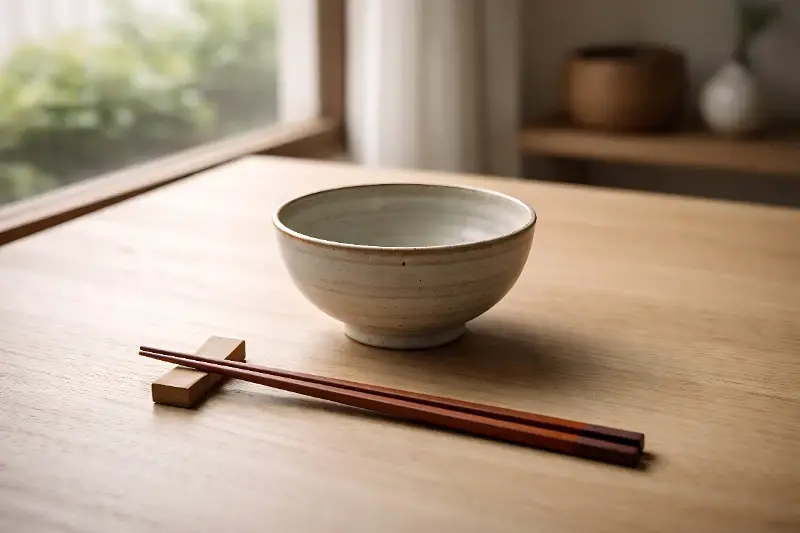
- Chopstick Protocols: In China and Japan, never stick your chopsticks upright into a bowl of rice, as this closely resembles a ritual performed at funerals. Avoid pointing at people with them or passing food directly from chopstick to chopstick.
- Gratuity Customs: In the United States, leaving a generous tip is expected and forms a significant part of service workers’ income. Conversely, in Japan, tipping is generally unnecessary and can even be seen as confusing, as exceptional service is already taken for granted.
DRESS CODES AND PERSONAL SPACE
Clothing rules are rarely written down for tourists, but dressing appropriately shows respect for local traditions and helps you blend in effortlessly.
- Sacred Spaces: Covering shoulders and knees is essential when visiting religious sites globally. This applies whether you are exploring Italy's cathedrals, Southeast Asia's historic temples, or city centers in more conservative regions. Keeping a lightweight scarf or pashmina in your daypack is a smart strategy for unexpected stops.
- The "Bubble" Comfort Zone: Personal space boundaries change dramatically across borders. Many Western travelers value a clear physical bubble during conversations. In contrast, in Latin American and Mediterranean countries, close contact and expressive warmth are the norm, where pulling back might seem cold.
RESPECTING REGIONAL CUSTOMS
Daily life in many countries is beautifully shaped by local belief systems and historical traditions. Taking time to understand these rhythms prevents misunderstandings.
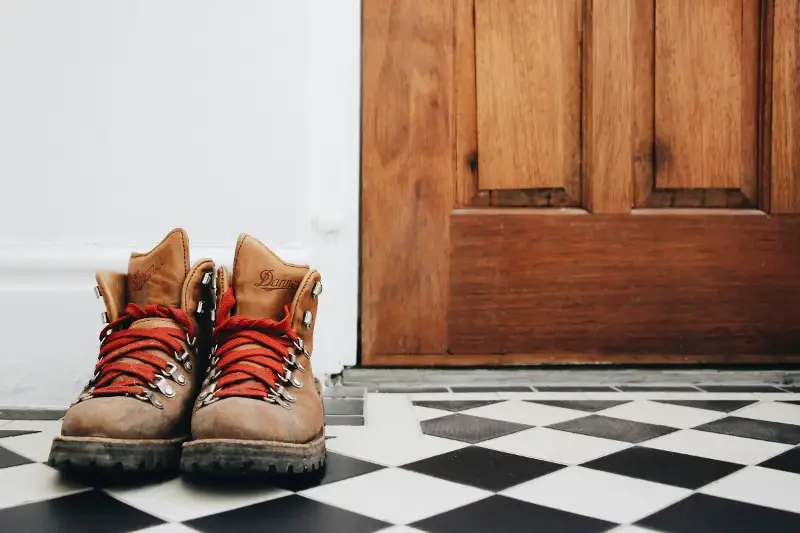
- Sacred Rituals: It is customary to remove your shoes before entering mosques, temples, and traditional homes across Asia and the Middle East.
- Confusing Gestures: Body language can easily get lost in translation. In Greece, a standard thumbs-up gesture can be misinterpreted as offensive. Meanwhile, in Bulgaria, nodding your head actually means no, while shaking it side to side means yes—a classic recipe for confusion among travelers.
GIFT GIVING AND HOSPITALITY
The art of giving and receiving gifts is packed with unspoken etiquette that reflects a culture's view on generosity.
- The Two-Hand Rule: In China and Japan, always present and receive gifts or business cards with both hands as a sign of respect. It is also polite to wait until later to open the gift, rather than unwrapping it immediately in front of the giver.
- Host Etiquette: In Germany, bringing a small token of appreciation like a bottle of non-alcoholic sparkling cider or fresh flowers is excellent manners when invited to a home. Just avoid red roses, which are strictly reserved for romantic intentions.
Every journey is full of magical moments. Investing a little time into researching a country's hidden codes before you board your flight ensures those moments remain bright, positive, and deeply rewarding.