


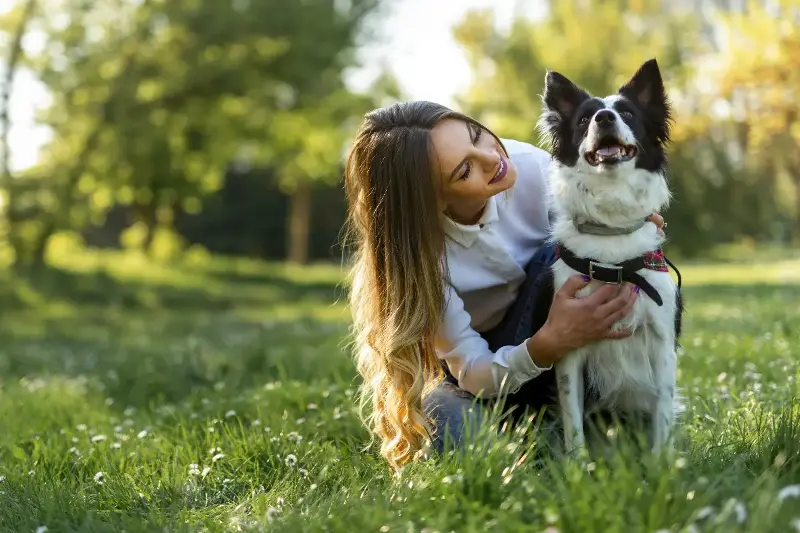
Few relationships are as openly affectionate as the bond people share with their canine companions. While a dog cannot speak words, their daily behavior communicates trust, deep attachment, and a powerful desire for closeness. Canine behavior research shows that dogs form meaningful emotional connections with their human caregivers.
From enthusiastic morning welcomes to quiet moments of companionship, these everyday signals reveal just how deeply your dog values your presence.
Welcoming You as the Best Part of Their Day
One of the clearest indications of a dog’s attachment is the enthusiastic greeting they give you after time apart:
- Joyful physical signals: Tail wagging, wiggling bodies, happy barks, and an immediate dash to the front door.
- Scent recognition: Brain imaging studies show that dogs respond positively to the unique scent of their primary caregiver long before the door opens.
- Calmer expressions of love: A gentle approach, leaning softly against your legs, or bringing a toy from across the room is just as meaningful as energetic excitement.
Regardless of their energy level, the key is that your dog actively chooses to reconnect with you.
Choosing Physical Proximity and Companionship
Dogs are inherently social animals that express affection by simply wanting to be near you:
- Relaxed company: Settling beside your desk, napping while you read, or resting at your feet while you prepare a meal.
- A secure base: Much like young children, dogs view a trusted human as a safe foundation, allowing them to feel comfortable exploring or resting.
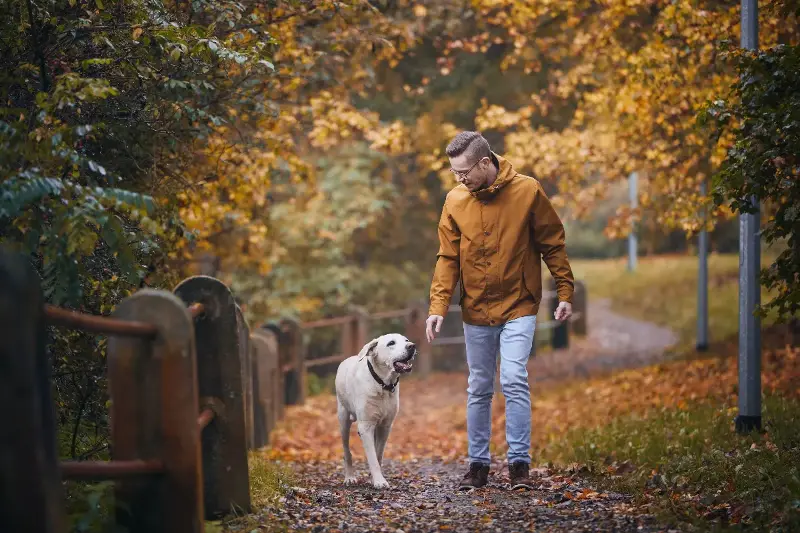
- Balanced independence: A dog that checks in on you during a park walk before happily sniffing ahead demonstrates a healthy balance of confidence and connection.
Staying nearby isn't necessarily clinginess—it is your dog’s way of enjoying peaceful, reassuring companionship.
Looking into Your Eyes with Complete Trust
Gentle, relaxed eye contact between a dog and an owner is a deeply meaningful gesture:
- The bonding hormone: Friendly eye contact triggers the release of oxytocin, a hormone directly associated with maternal bonding and social attachment.
- Reading your cues: Dogs observe human body language, facial expressions, and vocal tones to navigate new situations.
- Seeking reassurance: When your dog looks back at you during an unfamiliar event, they are trusting you to guide and protect them.
Sharing Their Favorite Toys and Objects
Bringing you a favorite tennis ball, a worn plush toy, or even a soft sock is a clear sign of social connection:
- An invitation to interact: Placing a toy in your lap is an eager request to play and share a joyful moment together.
- Strengthening bonds: Playtime reduces stress, provides mental stimulation, and reinforces your positive relationship.
- Comfort seeking: Carrying a beloved object to you during moments of excitement or anxiety shows that they associate you with happiness and security.
Turning to You as a Safe Haven
A dog’s trust shines brightest during moments of stress or uncertainty:
- Seeking protection: During loud thunderstorms, fireworks, or vet visits, a dog that presses against your legs views you as their ultimate safe haven.
- Emotional sensitivity: Dogs are remarkably perceptive to shifts in human posture, voice, and energy, often resting quietly beside you when you have a stressful day.
- Unconditional loyalty: This quiet support demonstrates the profound, lifelong connection you share with your pet.