


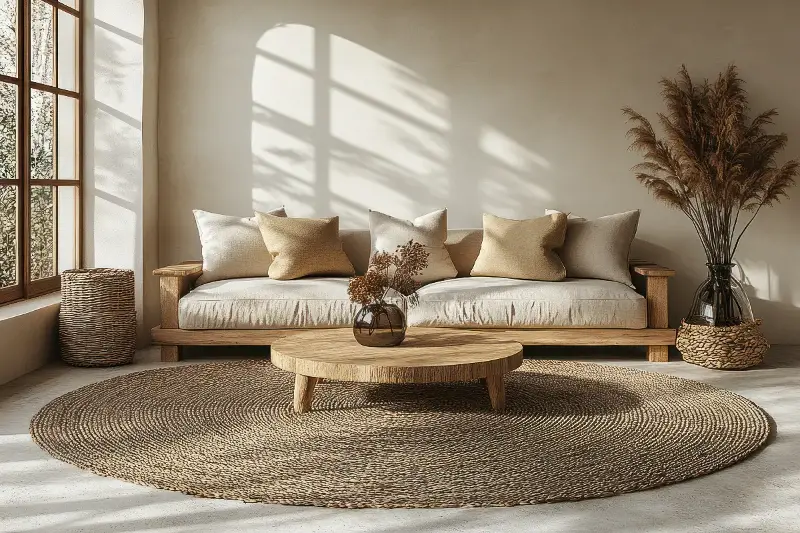
A flutter of calm rushes in each time you enter a truly peaceful home. That harmonious sense of ease isn't accidental—it is the byproduct of thoughtful, minimalist design. As our lives grow busier and our spaces more precious, turning your home into a stress-free sanctuary is no longer a luxury but a necessity.
Minimalist living isn’t about depriving yourself. Instead, it’s about curating your environment to elevate your well-being, inviting tranquility, and sparking joy. Here’s how you can transform your home into a minimalist retreat and experience life at its most serene.
WHY MINIMALIST LIVING SPACE IDEAS MATTER
Minimalism is much more than a trend—it’s a lifestyle choice backed by science. Research shows that clutter increases cortisol, the stress hormone, making it harder to relax or focus. By reducing visual noise and creating functional spaces, you can:
- Boost your mood and emotional regulation.
- Improve sleep quality by removing bedroom distractions.
- Enhance productivity through a clearer environment.
Minimalist living doesn’t ask you to throw out everything, but to be intentional about what stays and how it serves you. Think of minimalism as editing your life down to its most meaningful chapters.
GENIUS STORAGE SOLUTIONS FOR EFFORTLESS ORGANIZATION
Minimalist homes are mastered through clever storage. The goal is to use multipurpose furniture and subtle organizers that tuck belongings out of sight while keeping them easily accessible.
- Multipurpose Furniture: Opt for ottomans with hidden compartments or beds with built-in drawers.
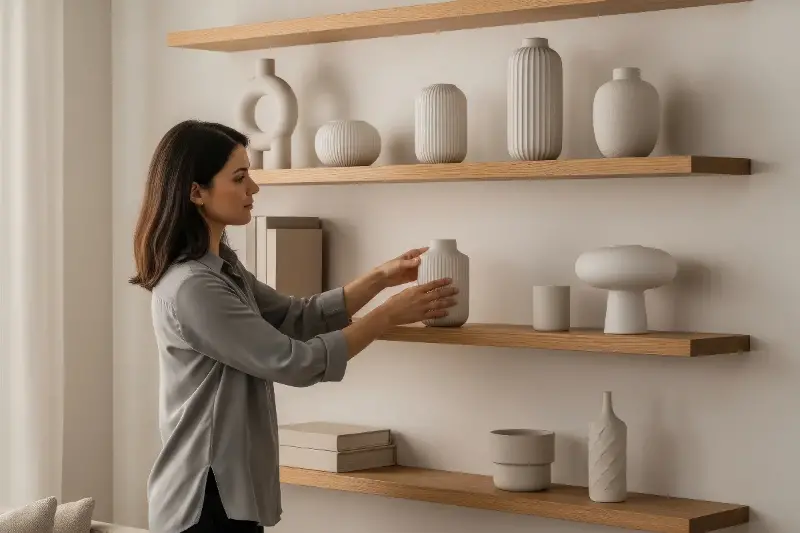
- Vertical Space: Use floating shelves to display just a few cherished items without crowding floor space.
- The "One In, One Out" Rule: To prevent new clutter from accumulating, ensure that for every new item brought into the home, an old one is removed.
Even tech gadgets can be streamlined using designated drawers or cord organizers to remove the visual chaos of tangled wires.
DECLUTTER—THE GATEWAY TO SERENITY
The first and most liberating step in minimalist transformation is decluttering. The art of letting go is as much about emotional release as it is about creating more breathing room. To begin your journey, try these steps:
- Tackle one area at a time: Start small with a single desktop, one shelf, or a corner of the living room.
- The Year Rule: Ask yourself, “Have I used this in the last year?”
- The Happiness Check: Does this object make me feel happier or more peaceful?
Donate, recycle, or sell anything that doesn't pass the test. Don’t forget hidden clutter—closets and storage bins often harbor unnecessary items that weigh down our mental energy. Less clutter immediately transforms any room, creating clean lines that let your mind rest.
A COLOR PALETTE THAT SOOTHES THE SOUL
Color is a powerful, invisible thread weaving through our emotional state. Minimalist spaces are often associated with whites, beiges, and muted tones for good reason—these shades promote relaxation and allow natural light to bounce beautifully.
However, minimalism isn't limited to neutrals. If a splash of sky blue lifts your spirits or lush greenery makes you breathe easier, introduce those as accents via throw pillows or artwork. The key is cohesion. Stick to a soft, simple palette with minimal variation for a restful effect. Integrating plants also purifies your air and injects life into the calmest of settings.
INTENTIONAL FURNITURE THAT INVITES RELAXATION
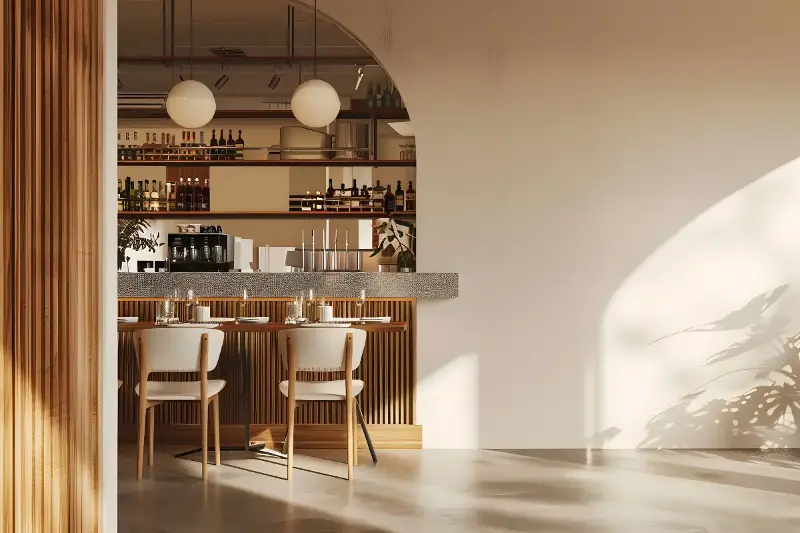
In a minimalist sanctuary, every piece of furniture earns its place by offering both function and comfort. Seek out sofas and chairs with clean lines, and invest in quality over quantity.
- Maximize Flow: Arrange furniture to avoid blocking windows or doorways.
- Breathing Room: Leave physical space between pieces to prevent a cramped feeling.
- Unplug Zones: If space allows, dedicate a corner exclusively for unwinding—populated with a comfy chair, a soft lamp, and a stack of inspiring reads.
LIGHT AND FLOW—BRINGING ENERGY INTO YOUR HOME
Lighting has a transformative effect on mood. Minimalist spaces shine brightest when flooded with natural light, so favor sheer curtains or shades. Mirrors can also help bounce sunlight, making every room feel larger.
For the evening, consider your artificial light:
- Warm White LEDs: These keep the environment tranquil after sunset.
- Dimmable Options: These allow you to adjust the ambiance for work or relaxation.
- Soft-Glow Lamps: Ideal for creating a cozy, stress-free atmosphere before bed.
Moving with ease from one room to another without tripping over unnecessary items makes daily life smoother—and significantly less stressful.