


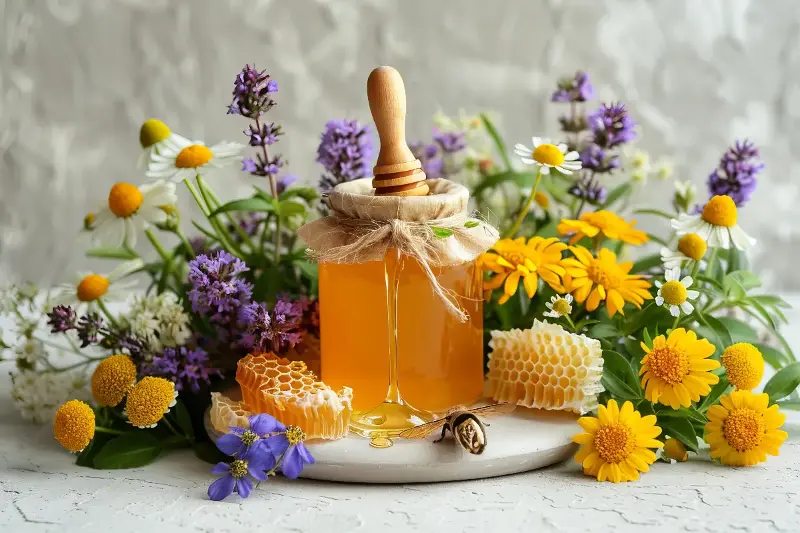
Over the past few years, the world of skincare has undergone a fascinating transformation. Modern consumers are hunting for more than just effectiveness; they are looking for authenticity, safety, and transparency. As a result, the beauty industry is rediscovering its roots, bringing classic, nature-derived ingredients back to the forefront of our daily self-care rituals.
THE RENAISSANCE OF TIMELESS BOTANICALS
Gone are the days when "old-fashioned" meant outdated. Today, skincare brands are proudly highlighting ancient herbs, flowers, and extracts. This return to basics offers a variety of benefits for all skin types:
- Rose: Celebrated in ancient Persian rituals, rosewater and oil are now staples in toners and serums. They are renowned for their natural hydration and ability to reduce redness.
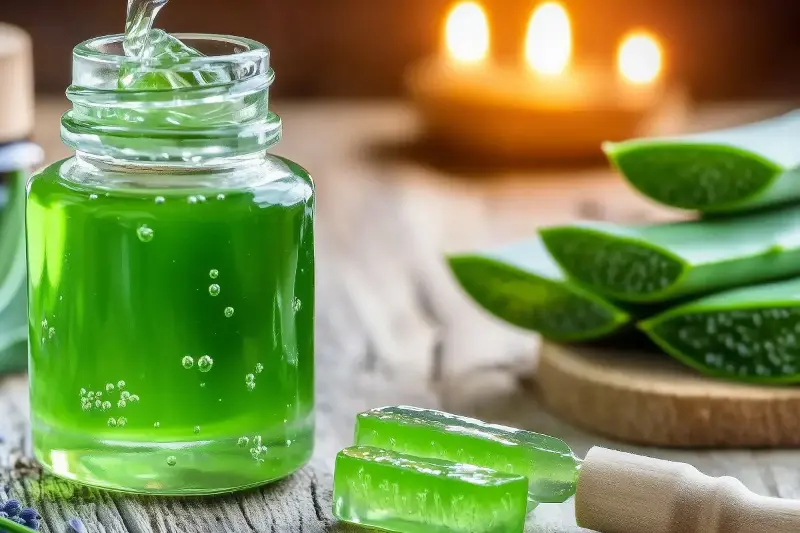
- Aloe Vera: Hailed in Egyptian medicine as the "plant of immortality", it remains the gold standard for soothing irritation and providing an immediate cooling sensation.
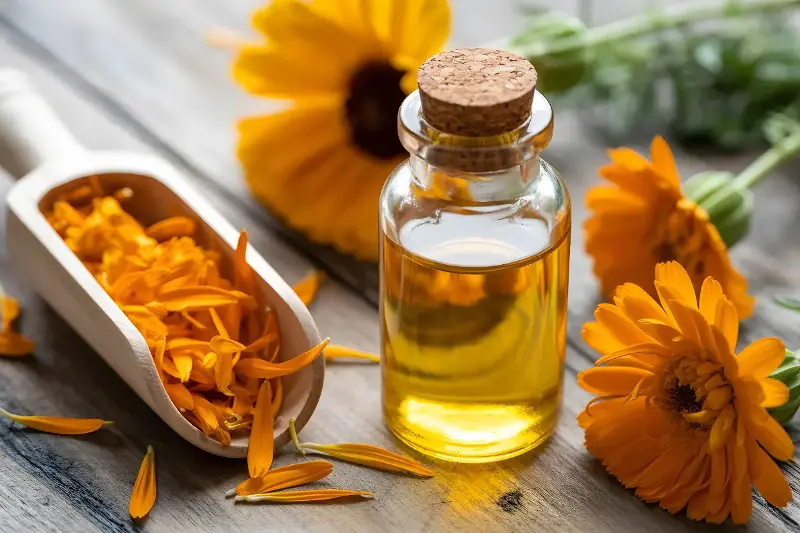
- Calendula: This cheerful marigold, used for centuries to promote skin repair, is an ideal companion for those aiming to calm stressed or blemish-prone complexions.
ANCIENT WISDOM MEETS MODERN SCIENCE
The most exciting aspect of this revival is the validation of ancient practices through contemporary research. Ingredients that have been staples for generations are now proving their worth in the laboratory:
- Turmeric: Once known only for its golden glow, modern science confirms that its active compound, curcumin, effectively combats hyperpigmentation and inflammation.
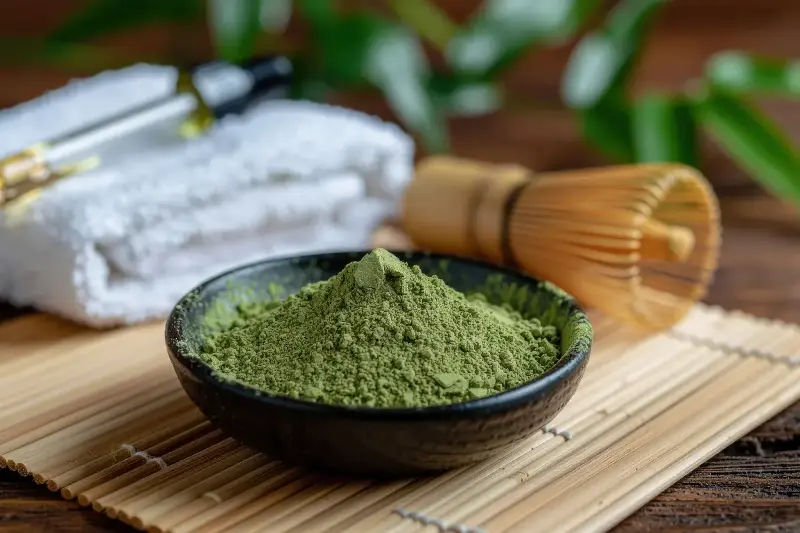
- Green Tea: A cornerstone of East Asian traditions, it is now scientifically backed for its high polyphenol content, which provides powerful antioxidant protection against environmental stressors.
This collaboration between age-old wisdom and laboratory results makes these ingredients more trustworthy and effective for today’s conscious consumer.
WHY CLASSIC INGREDIENTS ARE TRENDING AGAIN
The resurgence of these classics is driven by three main factors:
- Simplicity and Transparency: Consumers want to understand their product labels. Botanical extracts and cold-pressed oils are recognizable and easy to research.
- Sustainability: Clean beauty brands are emphasizing ethical sourcing, organic cultivation, and eco-friendly packaging, which resonates deeply with environmentally-conscious shoppers.
- Cultural Connection: There is a growing sense of pride in reconnecting with ancestral beauty secrets—from African shea butter to Mediterranean olive oil. Beauty routines have become a way to celebrate global history and heritage.
NATURE’S MULTI-TASKERS: THE VERSATILITY OF CLASSICS
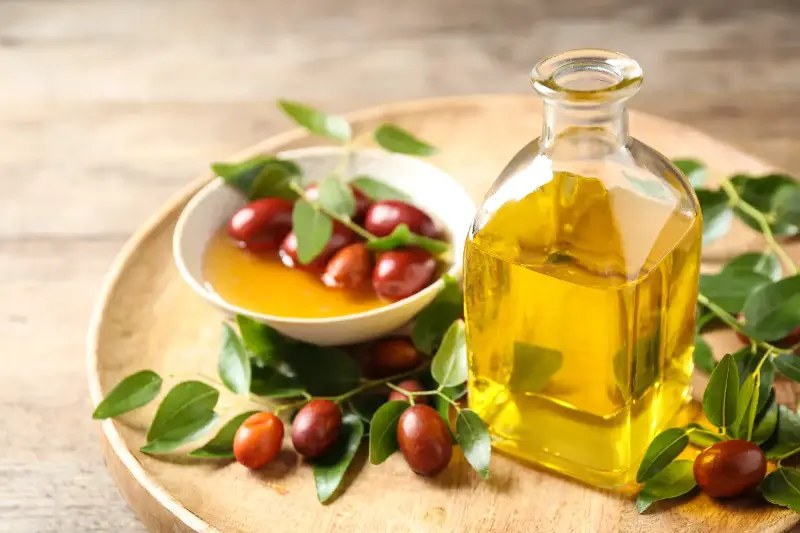
These time-tested ingredients are highly versatile, often serving multiple functions in a single formula. For example, Honey acts as a gentle humectant to lock in moisture while providing natural antibacterial benefits. Similarly, Jojoba Oil mimics the skin’s natural sebum, offering perfect, non-greasy hydration for every skin type. Even simple staples like Colloidal Oatmeal are now stars in luxury skincare, effectively soothing inflammation and fortifying the skin’s barrier.
CHALLENGES AND A BRIGHT FUTURE
While this "natural renaissance" is overwhelmingly positive, it comes with the responsibility of ecological integrity. Brands must focus on:
- Responsible Sourcing: Ensuring that the demand for rare botanicals does not lead to over-harvesting or environmental damage.
- Scientific Rigor: Combining natural extracts with research-backed formulations to ensure they are safe, stable, and effective for all users.
The renewed spotlight on nature’s bounty is a testament to the enduring value of tradition. By blending ancient practices with modern innovation, we are entering a more mindful era of skincare—one that honors the Earth while delivering real, visible results for our skin.