


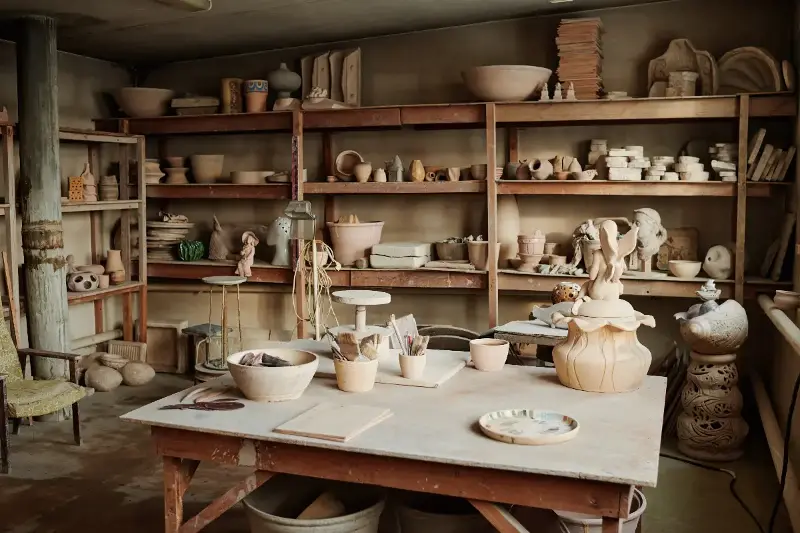
Art trends have always ebbed and flowed, swinging from the white walls of minimalist paintings to the complex hues of abstract expressionism. But in recent years, there’s a distinct energy pulsing through galleries, museums, and even homes that’s impossible to ignore.
Ceramics and sculpture—once seen as humble crafts—are suddenly back in style in a massive way. Artists and collectors across generations are rediscovering the tactile wonders of working with clay, metal, and stone, reviving and reinventing age-old traditions for a stunning contemporary effect.
A Tactile Renaissance In A Digital World
One of the main reasons behind this resurgence is the desire for a direct, physical connection to art. In a world saturated with digital images, there’s something profoundly refreshing about being in the presence of tangible forms.
- The Power of Touch: Where many art forms feel detached, ceramics and sculpture invite engagement with surface, volume, and weight.
- Embracing Imperfection: Contemporary artists are celebrating fingerprints, raw textures, and organic "flaws," valuing the human process as much as the final piece.
- Ancient Mediums: Clay is one of humanity’s oldest materials; using it today bridges the gap between the ancient and the modern in a way that feels both nostalgic and relevant.
Breaking Down Boundaries Between Art And Design
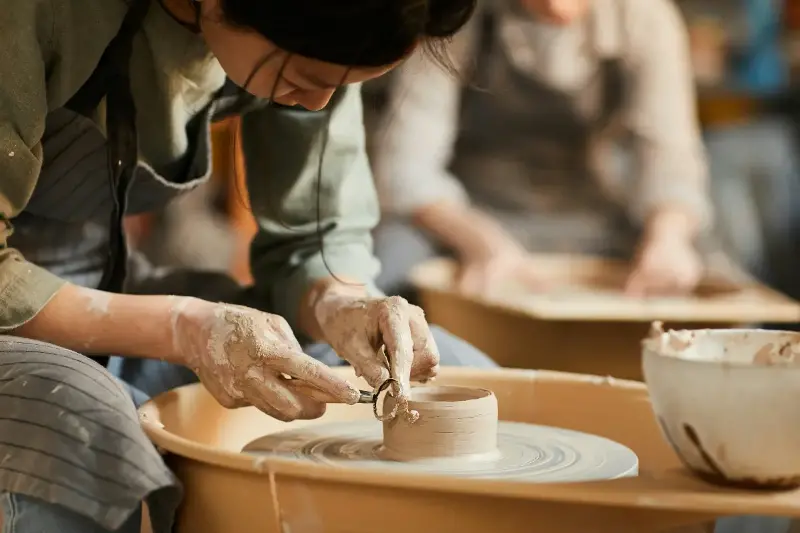
Another factor fueling this comeback is the unique position these mediums hold between fine art and functional design.
- Dual Identity: A ceramic vessel can be a daily-use object, a room’s centerpiece, or a work of abstract vision—sometimes all three simultaneously.
- Industry Spotlight: Museums are increasingly highlighting artists like Edmund de Waal, whose porcelain installations blur the line between sculpture and narrative.
- Accessibility: This hybrid status allows audiences to live with art. Ceramics and sculpture aren't just admired at arm's length; they play an active role in the domestic experience.
Global Influences And New Diverse Voices
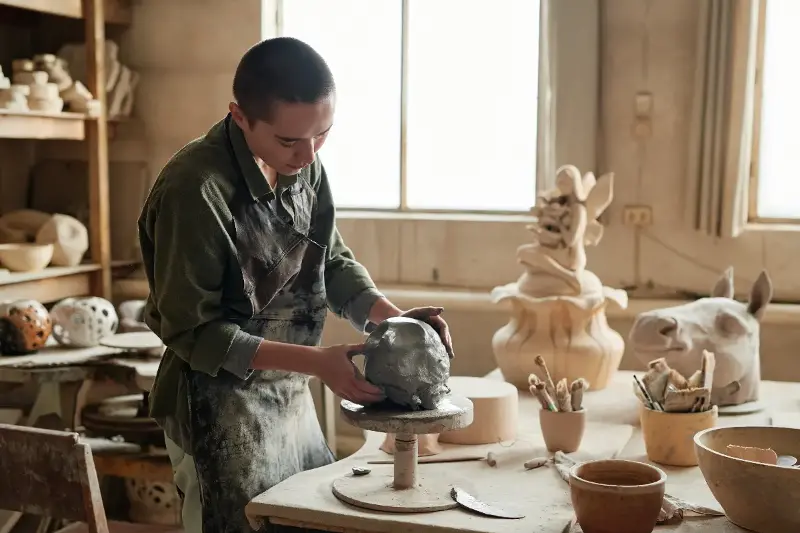
The revival isn't limited to a few big names. All over the world, artists are reclaiming cultural traditions to speak on modern issues.
- Global Dialogue: Japanese raku firing techniques now stand alongside bold African earthenware in international galleries.
- Identity and Heritage: Artists like Roberto Lugo blend traditional pottery forms with hip-hop iconography to explore themes of migration and history.
- Indigenous Resilience: Contemporary Indigenous artists are using clay to preserve heritage while pushing the boundaries of modern sculpture.
A Generational Shift And The Role Of Social Media
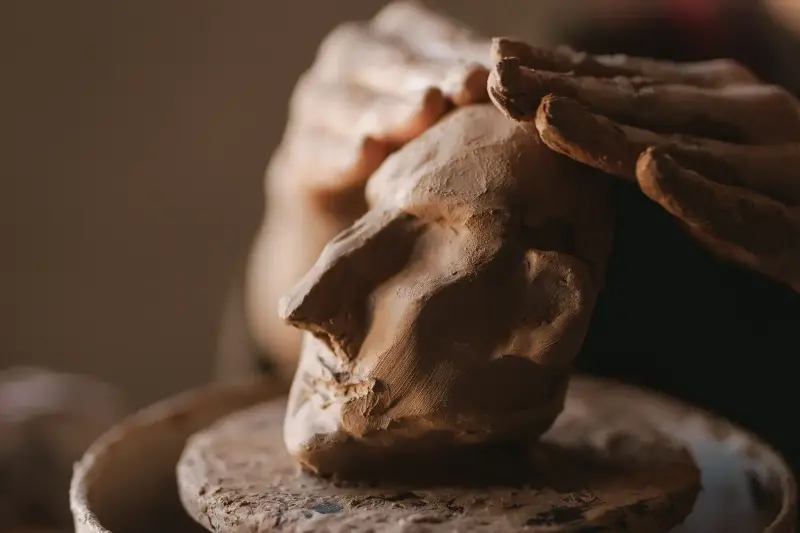
Millennials and Gen Z are energizing the market. Despite being "digitally native", these generations have developed a strong appetite for handmade and tactile experiences.
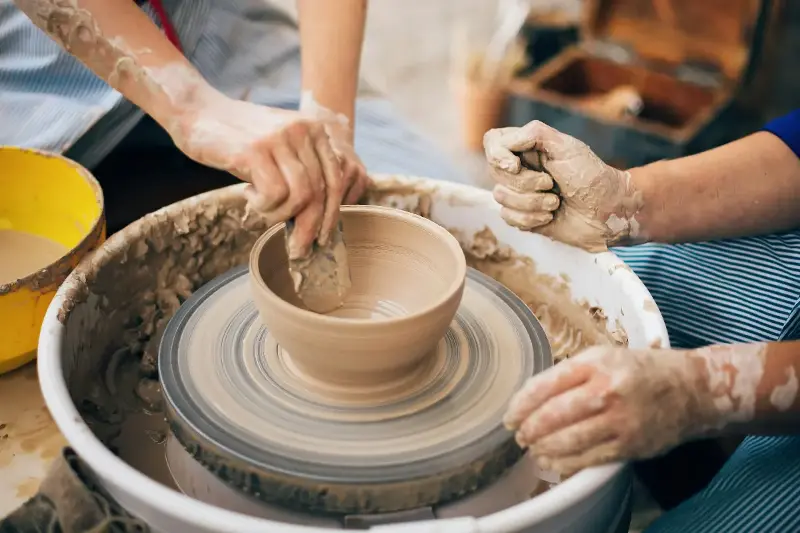
- The "Slow Art" Movement: Ceramics studios are flourishing in cities worldwide, offering workshops that serve as a meditative escape from the digital grind.
- Viral Craft: On platforms like Instagram and TikTok, mesmerizing videos of wheel-throwing or bronze pouring have democratized the artistic process, inspiring a new wave of amateur creators and collectors.
Market Momentum And Collecting Trends
The results of this renewed interest are visible in auction houses and local fairs alike. Ceramics and sculpture are currently among the fastest-rising categories in the art market.
- Record Prices: Works that once sold modestly are now fetching record sums at major auctions.
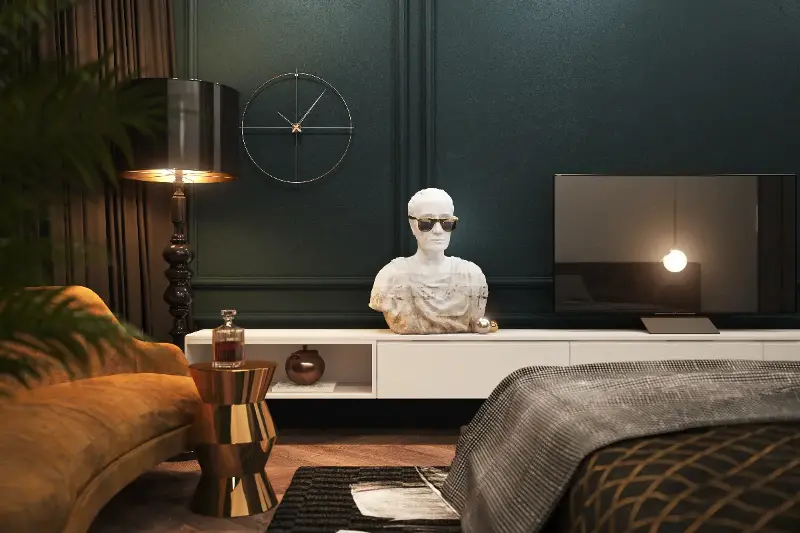
- Entry-Level Appeal: For new collectors, sculpture can be more affordable than large-scale paintings, providing a distinctive 3D feature for the home.
- Investment in Skill: Buyers are increasingly drawn to pieces that display a high level of physical skill and material intention.
Sustainability And The Long-Term View
Handcrafted pottery and sculpture are fundamentally built to last. This aligns perfectly with the broader cultural shift toward ecological responsibility.
- Against Mass Production: By choosing a unique, hand-built piece, collectors move away from disposable consumer goods.
- Local Materials: Many modern ceramicists are returning to local clays and traditional kilns, reducing their carbon footprint while honoring the earth.
Ceramics and sculpture remind us that art is more than an image—it is a living tradition. As the art world rediscovers its roots, this fusion of ancient wisdom and contemporary innovation ensures that the allure of the tactile is here to stay.