


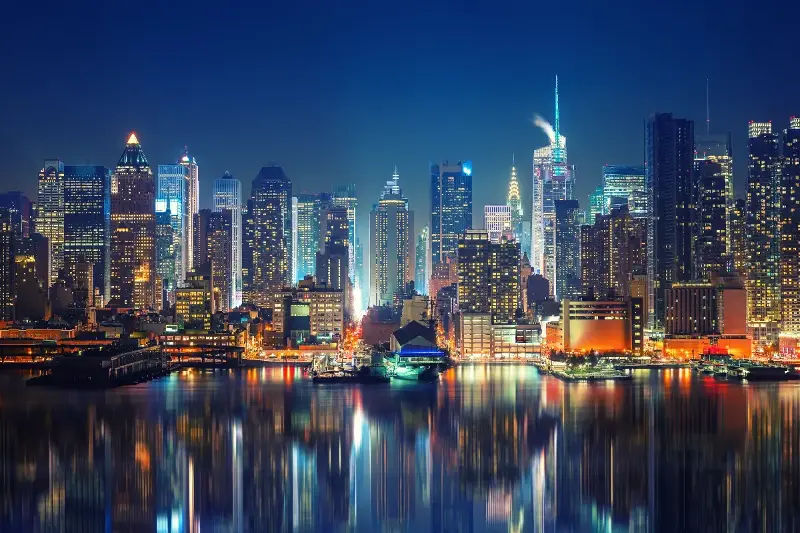
When daylight fades, cities do not simply go to sleep—they transform. Streets that felt purely practical at noon become theatrical under glowing signs, soft streetlamps, and illuminated shop windows. The soundscape shifts from midday traffic to background melodies spilling from doorways, late-night buses, and rhythmic footsteps on pavements. For urban explorers, nighttime offers a fresh perspective: intimate, atmospheric, and full of subtle wonder.
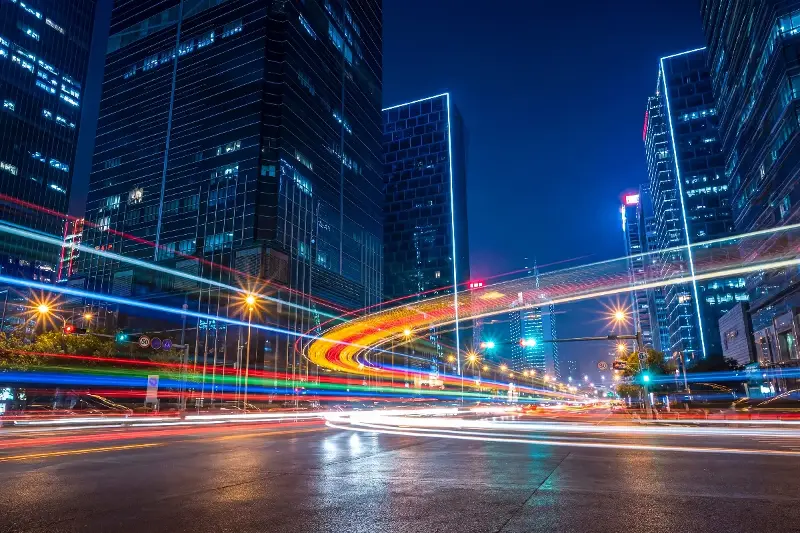
After dark, urban contrasts become vivid. Bright commercial districts stand alongside peaceful residential avenues. Historic facades gain drama in warm lighting, while modern towers display thousands of small, glowing windows like vertical constellations. Responsible night exploration reveals the steady rhythm of local life—from evening food vendors preparing hot meals to transit crews keeping the city moving while others rest.
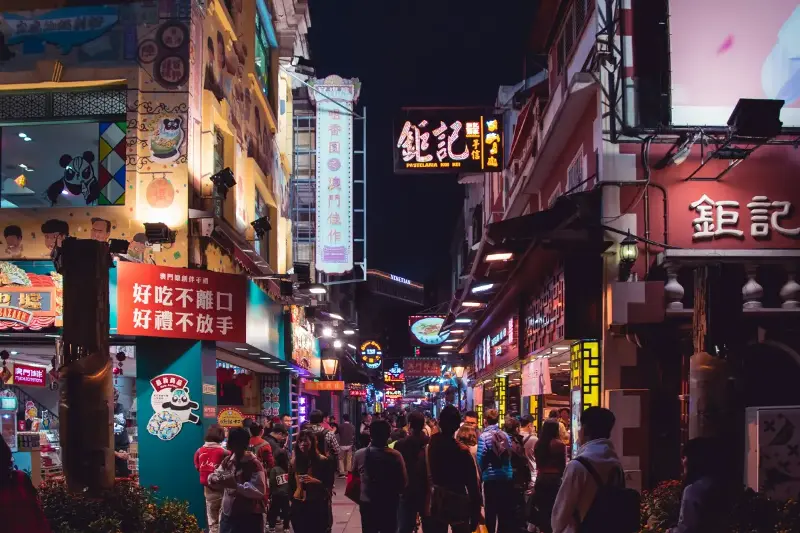
The Glow of Night Markets and Neon Streets
Illuminated signage became a defining feature of urban nightlife during the twentieth century. Today, modern LED technology joins classic neon to create vibrant urban palettes:
-
Iconic Landmarks: Destinations like Tokyo’s Shinjuku, Seoul’s Hongdae, New York’s Times Square, and London’s Soho are famed for their brilliant displays and vibrant evening energy.
-
Hidden Gems: Stepping away from main thoroughfares reveals intimate alleyways, handwritten menus, family-owned cafés, independent bookstores, and cozy eateries.
-
Social Hubs: Evening markets in cities like Taipei and Bangkok draw locals and visitors alike for fresh street food, cooler temperatures, and community gatherings.
The Quiet City Behind the Main Roads
A few blocks away from the central avenues, a serene urban environment appears. Residential neighborhoods can be remarkably calm, offering a realistic look at daily life:
-
Subtle Details: Gentle lamplight highlights tiled doorways, vintage signs, neighborhood gardens, and unique architectural textures.
-
Atmospheric Charm: In historic centers—such as Prague's side streets, Lisbon's steep lanes, or Amsterdam's canal edges—the atmosphere becomes quiet and reflective after daytime crowds depart.
-
Thoughtful Exploration: Maintaining low voices and respecting residential privacy ensures that evening walks remain positive for both visitors and residents.
Who Keeps the City Awake
Nighttime brings essential, often unseen work into focus. As office buildings close, many dedicated workers ensure the metropolis runs smoothly:
-
City Operations: Street maintenance crews, transport staff, and logistics teams work through the night to prepare public spaces for the morning.
-
Essential Services: Medical professionals, hotel hosts, and public safety teams provide round-the-clock support.
-
Cultural Schedules: Cities like Madrid, Buenos Aires, and Cairo thrive on late-evening dinners and social gatherings, shaped by local climate and traditions.
Public transport offers a genuine cross-section of evening life. Riding a night bus or train connects travelers with evening shift workers, students, and night owls navigating the city safely together.
Music, Memory, and Shared Spaces
Cities often express their cultural identity most vividly after dark through music and shared gathering spots:
-
Live Melodies: Venues offering jazz in New Orleans, performance halls in Buenos Aires, and acoustic listening spaces in Melbourne showcase local artistic traditions.
-
Illuminated Spaces: Riverside promenades, lit bridges, and town plazas serve as welcoming, cost-free gathering points.
-
Community Connection: Sitting by the Seine in Paris or strolling Marina Bay in Singapore highlights how nighttime culture centers on shared human connection.
Exploring After Dark with Care
A rewarding evening walk relies on thoughtful planning. Staying aware of surroundings, choosing well-lit paths, wearing comfortable footwear, and keeping a phone charged ensure a smooth outing.
The best night walks balance energy with reflection. Starting in a lively district, enjoying a local meal, and wandering toward calmer streets reveals the city's true heartbeat—found in the steady hum of a passing tram, a glowing corner café, and the quiet assurance that urban life continues long after sunset.