



Ever wondered why some vehicles purr like kittens at 200,000 miles while others struggle long before that? The secret often lies in how you drive, not just how often you visit the shop. Adopting proactive habits behind the wheel can save you money, reduce stress, and ensure your car remains a reliable companion for years to come. Let’s explore the simple, powerful techniques that add years to your engine’s life.
Smooth Acceleration And Gentle Braking
Your driving style is the biggest influencer of your engine’s health. Sudden, aggressive bursts of speed or abrupt stops place tremendous physical strain on your vehicle's internal components.
- Consistent Load: Smooth acceleration keeps the load on your engine steady, protecting delicate parts like pistons and valves from unnecessary stress.
- Controlled Deceleration: Gentle braking isn’t just for passenger comfort; it reduces the workload on your entire braking system and gives your engine a moment to transition peacefully.
- Efficiency Gains: Adopting a calm, steady rhythm improves your fuel economy and lowers emissions, making your driving more environmentally friendly.
Respecting Warm-Up And Cool-Down Periods
Your engine performs best when it reaches its optimal operating temperature.
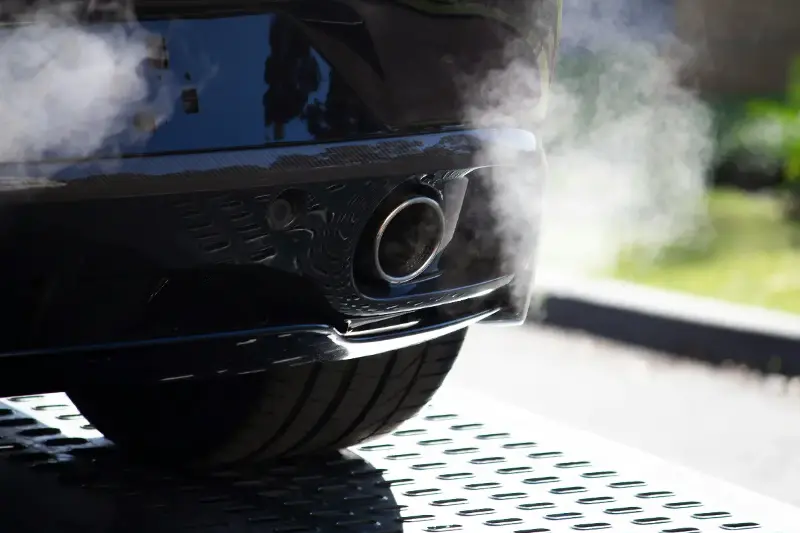
- The Warm-Up: Especially during colder months, allow your engine to idle for roughly 30 to 60 seconds before driving. This allows the oil to thin out, ensuring it properly lubricates critical parts before you head out.
- The Cool-Down: After a high-intensity drive, such as highway cruising, give your engine a few minutes to normalize before turning the key off. This is particularly vital for turbocharged engines, as it prevents oil from carbonizing around the hot turbocharger housing.
Staying On Top Of Maintenance Milestones
Your owner’s manual is the ultimate guide to your car’s health. Following service intervals for oil changes, air filters, and spark plugs is non-negotiable for longevity. Beyond the basics, cultivate a habit of mechanical awareness:
- Listen for Changes: Pay attention to new noises, subtle vibrations, or fluctuations in performance.
- The Power of Inspection: Periodically check your fluid levels and look under the hood for loose connections or minor leaks. Addressing these small issues early prevents them from evolving into costly repairs.
Adopting Smart Shifting Techniques
The way you interact with your transmission significantly impacts the engine’s longevity:
- Manual Transmission: Always shift at the correct RPM to keep the engine in its "comfort zone." Avoid "lugging"—using high gears at low speeds—which strains bearings and valves.
- Automatic Transmission: Avoid flooring the accelerator from a dead stop. This practice puts excessive, unnecessary stress on both the gearbox and the engine.

The Importance Of Longer Drives
Engines thrive on consistency. Short, frequent trips—particularly those under five miles—prevent the engine from reaching its ideal operating temperature. This leads to condensation buildup, which can mix with oil to form damaging sludge. Whenever possible, combine your errands into one longer trip; this allows the engine to get hot enough to burn off contaminants and stay clean.
Fuel Quality And Tank Habits
Using high-quality fuel is a simple way to care for your engine’s internal health.
- Detergent Additives: Opt for top-tier gasoline, which often contains detergents designed to keep your engine’s internals free from carbon deposits.
- The Quarter-Tank Rule: Avoid driving on "fumes." Keeping your fuel tank at least one-quarter full prevents the fuel pump from overheating, as the liquid fuel acts as a coolant for the pump.
By treating your vehicle with respect and mindfulness, you build a legacy of automotive health. These habits don’t require expert technical knowledge—just consistency and care. Practice these routines, and your engine will reward you with miles of smooth, reliable performance.