


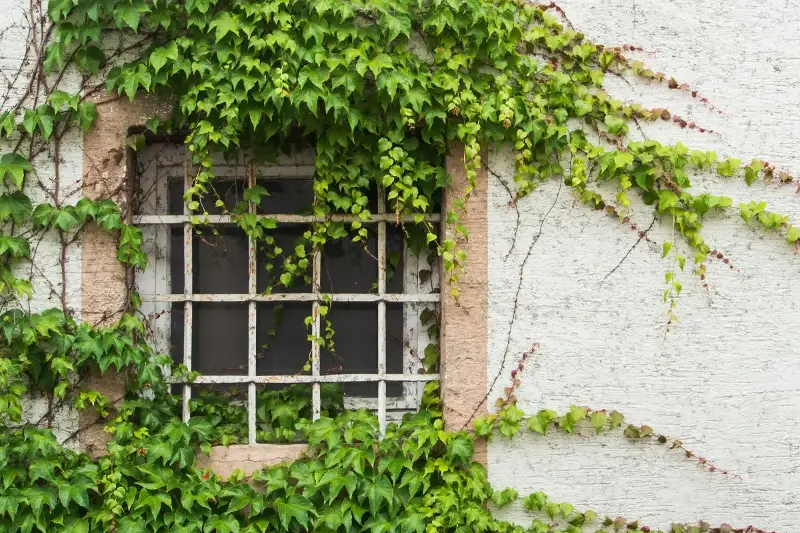
Climbing plants can transform an ordinary balcony, fence, or indoor corner into a vibrant living feature. Their upward growth makes them especially ideal for compact spaces, where they add height, softness, and privacy without taking up precious floor area. From fragrant jasmine and showy passionflower to glossy pothos and tropical monsteras, vines offer stunning styles for every home.
The secret to vertical gardening success is matching the right plant to its location and providing appropriate structural support. Once you understand how these plants attach and grow, creating a lush, vertical sanctuary is simple and rewarding.
Choose the Right Climber for Your Space
Start by assessing the natural light levels in your space. Flowering species generally demand much more sunlight than leafy foliage varieties:
- Sun-Loving Varieties: Clematis, climbing roses, honeysuckle, and bougainvillea thrive with at least six hours of direct sunlight daily.
- Shade-Tolerant Options: Climbing hydrangea and sweet jasmine excel in shaded outdoor gardens, offering elegant blooms and delicate scents.
- Forgiving Indoor Favorites: Pothos, heartleaf philodendron, and Monstera adansonii thrive in bright, indirect light and adapt remarkably well to normal indoor conditions.
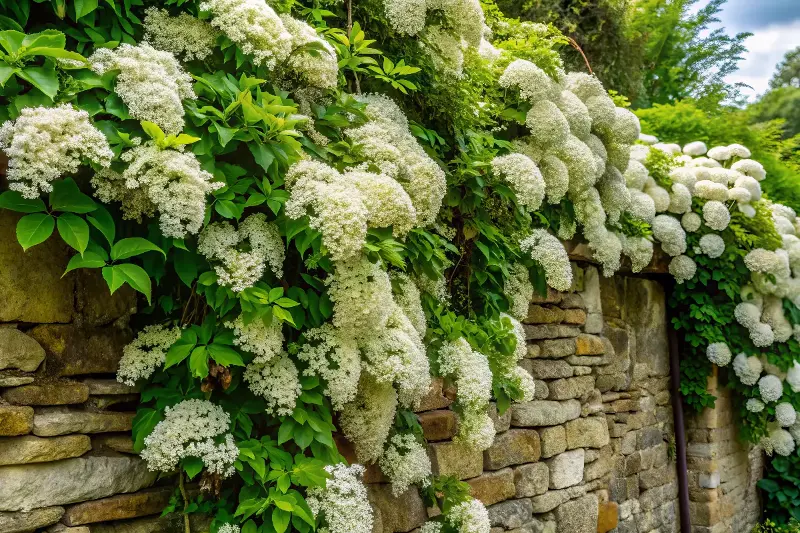
Understand How Vines Climb
Different climbing plants use distinct physical mechanisms to reach upward. Matching your support system to their natural growth method is key:
- Twining Vines: Plants like morning glory and jasmine wrap their main stems around a support. Guide young shoots gently around a trellis or pole rather than forcing them.
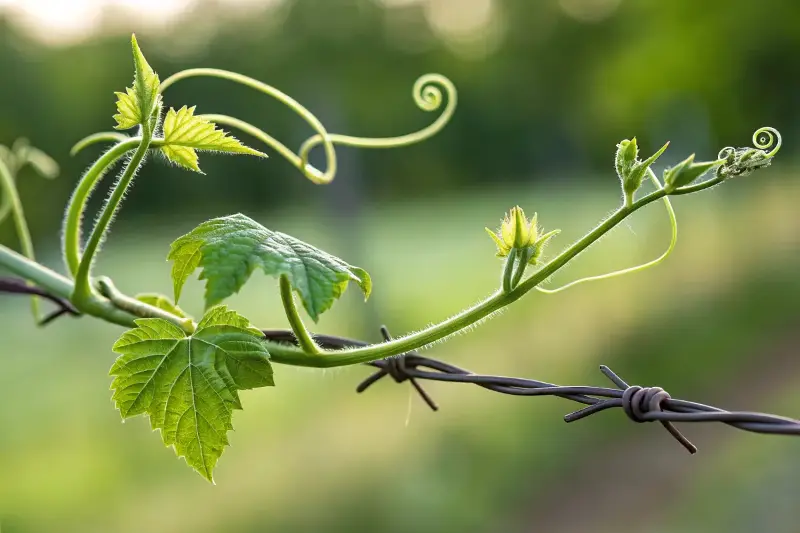
- Tendril Climbers: Passionflower and sweet peas produce tiny, curling tendrils that grab thin objects. They require slim supports such as mesh, netting, or slender bamboo canes.
- Aerial Root Attachments: Pothos, philodendrons, and climbing hydrangeas cling directly to surfaces. A damp moss pole or coir pole provides an ideal, naturalistic texture for indoor aerial roots to grip.
Provide Stylish and Reliable Support
A climbing structure must be strong enough to hold the mature weight of a full-grown plant, especially after heavy rain:
- Classic Trellises: Wooden grids bring timeless charm, while black metal frames lend a sleek, modern look. Mount wall trellises slightly away from surfaces to allow optimal airflow.
- Free-Standing Obelisks: These structure points work beautifully in patio containers, adding instant architectural height to garden beds or entryways.
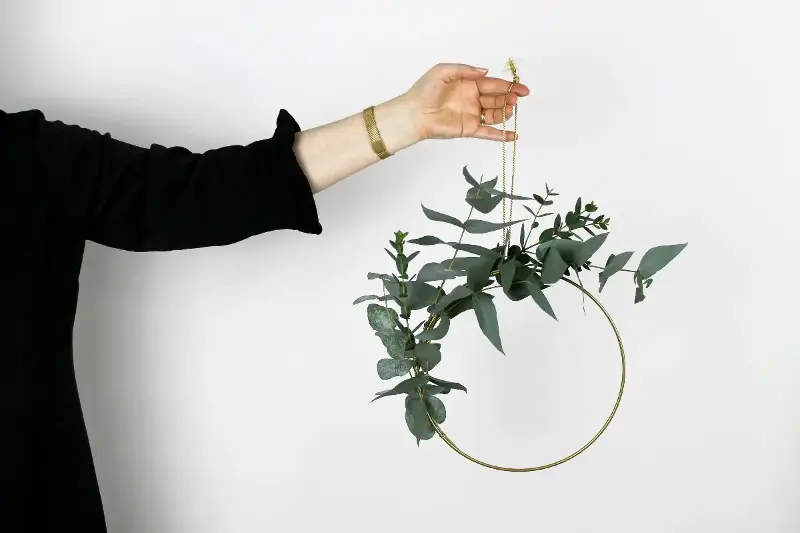
- Indoor Accessories: Wall-mounted plant clips, bamboo hoops, or central coir poles keep indoor vines looking tidy and intentional.
When securing young stems, always use soft garden ties or jute twine. Tie them loosely in a figure-eight shape to prevent friction and allow room for stems to thicken naturally.
Water and Feed for Maximum Vitality
Container-grown vines dry out much faster than ground-planted species. Check soil moisture regularly by inserting a finger two centimeters into the pot:
- Smart Watering: Keep soil evenly moist but never waterlogged. Ensure all indoor pots have proper drainage holes to prevent root decay.
- Targeted Feeding: Use a balanced liquid fertilizer for leafy indoor vines during active spring growth. For flowering climbers, select a potassium-rich fertilizer to encourage abundant, long-lasting blooms.
Prune for Fuller Shape and Continuous Blooms
Regular pruning keeps fast-growing vines balanced, neat, and vigorous. Pinching out the soft tips of young indoor vines encourages branching, creating a lush, bushy plant rather than a single long stem.
For outdoor climbers, trim dead or crossing branches in late winter or immediately after flowering, depending on the species. Always make clean cuts just above a leaf node—the natural point where vibrant new growth emerges. With a sturdy support and routine care, a single vine can quickly become the crown jewel of your home garden.