


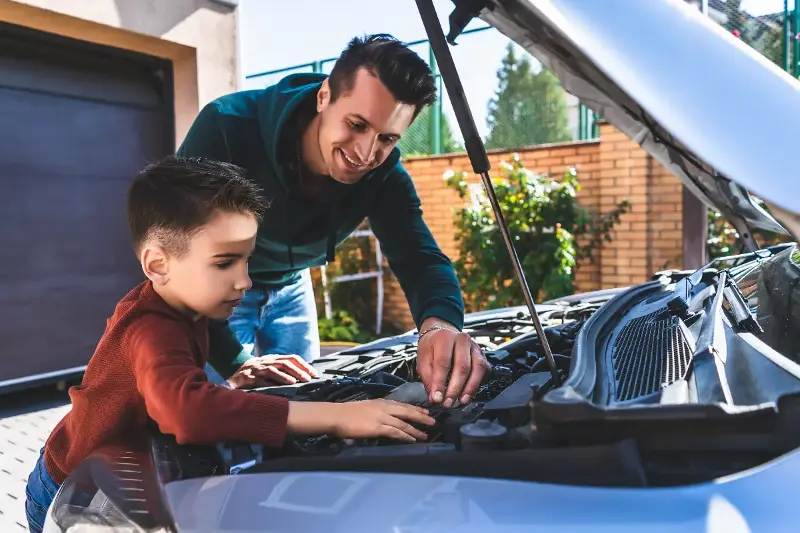
Ever found yourself staring down a car repair bill and thinking, “I wonder if I could do this myself?” The good news: today’s vehicles are complex, but there’s a surprising list of car fixes you can handle right in your garage—even if you’re not a seasoned mechanic. With some basic tools, a bit of research, and a pinch of confidence, you can save cash, learn new skills, and avoid those tedious weekend waits at the auto shop. Here’s an insider look at car maintenance you might not know you can do at home—and why tackling these jobs could become your new favorite hobby.
THE POWER OF DIY: WHY MORE PEOPLE ARE FIXING THEIR OWN CARS
Working on your own car isn’t just about saving money, though that’s a massive bonus. Diving under the hood can also deepen your understanding of how your vehicle works and provide a sense of accomplishment that’s hard to top. Thanks to modern resources, today’s DIY auto enthusiasts are better equipped than ever to troubleshoot and maintain their rides:
- Online How-To Videos: Step-by-step visual guides for almost every make and model.
- Detailed Digital Manuals: Instant access to factory specifications.
- Community Forums: Crowdsourced advice from people who have faced the exact same mechanical hurdles.
Even tasks that once seemed the exclusive domain of professional mechanics have entered the realm of the garage DIYer. With OBD-II code readers, specialty screwdrivers, and affordable lift jacks now widely available, the line between pro and hobbyist is blurrier than ever.
ROUTINE REPAIRS: EASIER THAN YOU THINK
Some of the most important car maintenance tasks are also the simplest for beginners to tackle. If you are looking for a starting point, consider these low-stress projects:
- Windshield Wipers: Requires zero special tools and can be completed in under five minutes.
- Air Filters: Both engine and cabin filters usually pop out with simple clips. Replacing them yourself ensures cleaner engine performance and fresher interior air for a fraction of the dealership price.
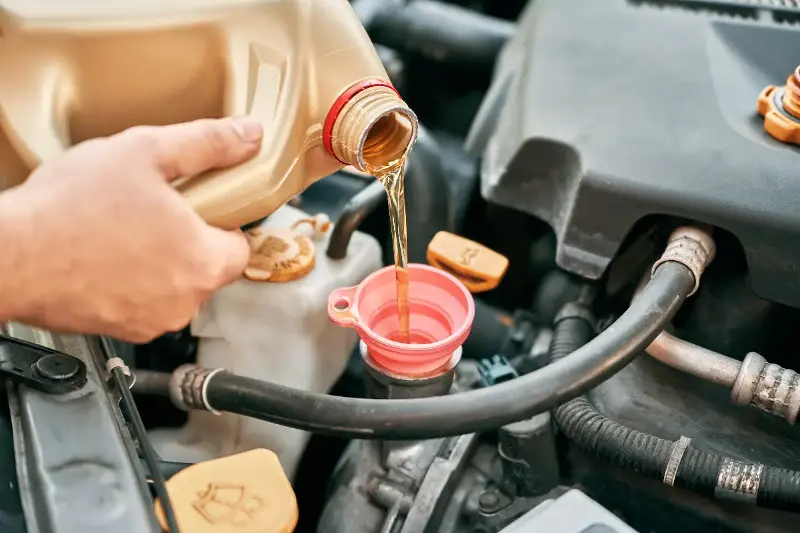
- Oil Changes: This is a time-honored DIY milestone. With a wrench, an oil pan, and a new filter, you can finish the job in thirty minutes. Best of all, you get to choose the exact quality of oil your engine receives.
BRAKES, BATTERIES, AND BELTS: STEPPING UP YOUR GAME
Feeling bolder? Once you have mastered the basics, it is time to move on to more substantial components. Swapping your car’s battery is surprisingly simple; most models require only a socket set to loosen the clamps. Just remember to disconnect the negative terminal first to avoid accidental sparks.
Similarly, replacing brake pads is less daunting than it sounds. With a jack and a basic toolkit, you can usually finish all four wheels in an afternoon. While online tutorials are excellent guides, always ensure the car is properly supported by jack stands before you reach into the wheel well. Even serpentine belts can be handled at home; most vehicles feature a routing diagram on a sticker under the hood, making a replacement possible in under an hour.
HEADLIGHTS, TAILLIGHTS, AND FUSES: SHEDDING LIGHT ON EASY FIXES
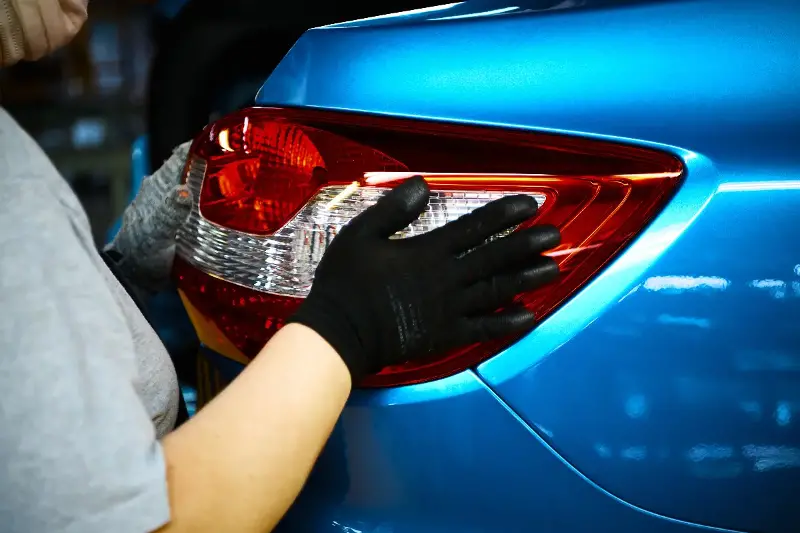
Dim headlights or a broken turn signal shouldn't require a shop visit. Many owners assume electrical fixes are too complex, but changing bulbs is usually a "snap-and-click" process. Access panels in the engine bay or trunk allow for quick swaps.
Blown fuses are another common culprit for electronic glitches. Your car’s manual will point you to the fuse box location, and replacements are incredibly inexpensive. If a component like your radio or power windows suddenly stops working, check the fuse first—it might save you a three-figure repair bill.
WHEN TO CALL IN THE PROS: KNOWING YOUR LIMITS
Of course, not every repair is suited for the driveway. Safety and complexity should dictate your boundaries. It is best to call a certified technician if you encounter:
- Persistent Warning Lights: Complex computer diagnostics are often required.
- Transmission Slips: Internal gearbox issues are highly specialized.
- Fuel Systems and Airbags: High-pressure lines and explosive safety charges require professional handling.
Part of being a great DIYer is knowing when to hand off the wrench to ensure your vehicle remains safe and reliable.
THE SECRET TO DIY SUCCESS: PREPARATION AND PATIENCE
The hallmark of a successful at-home mechanic is thorough preparation. Always consult your vehicle’s manual and search for model-specific tutorials before grabbing your tools.
- Lay everything out in advance so you aren't searching for a tool mid-job.
- Take photos as you disassemble parts so you know exactly how they go back together.
- Don’t rush. Most mishaps happen when you try to shortcut a process.
A bit of patience pays dividends. The first time you change your spark plugs might take all morning, but you’ll shave off time with every subsequent attempt. Soon, you’ll build the confidence to try even more ambitious projects.