


They say actions speak louder than words, but in our hyper-connected world, most people still underestimate just how powerful nonverbal communication can be. While we search for the perfect words to impress others, our bodies, expressions, and even the silence between our sentences often do the job more effectively.
Nonverbal communication isn't just a background feature; it is often the main event, sending messages as clear as any monologue. So, what makes this silent language so influential?
UNDERSTANDING THE LANGUAGE WITHOUT WORDS
Nonverbal cues include everything from facial expressions and posture to gesture, eye contact, and physical proximity. Surprisingly, research suggests that in face-to-face communication, words account for only about 7% of the overall message. The remaining 93% is comprised of:
- Body Language: Posture, gestures, and movement.
- Tone of Voice: Pitch, volume, and pacing.
- Micro-expressions: Fleeting, involuntary facial movements.
Our brains are wired to analyze these signals instantly. We often "size someone up" based on a handshake or the way they enter a room before they even say hello. This magic of nonverbal communication builds first impressions at lightning speed.
THE SCIENCE BEHIND NONVERBAL INFLUENCE
This silent language has deep evolutionary roots. For centuries, reading intentions through body language was a survival skill—distinguishing friend from foe. Today, this "gut instinct" is powered by mirror neurons in our brains. When we observe someone’s body language, we often unconsciously reflect their mood. This is why:
- A genuine smile is infectious and builds immediate rapport.
- A tense or fidgety person can make an entire room feel anxious.
- Strong leaders use nonverbal awareness to guide conversations with confidence and sensitivity.
HOW TO USE NONVERBAL SKILLS TO IMPRESS
Want to make a powerful impression without uttering a single word? It starts with your physical presence. Consider these key areas:
- The Power Pose: Standing tall with your shoulders back projects confidence, even if you feel nervous.
- Eye Contact: Maintaining steady, natural eye contact shows you are attentive and trustworthy. Conversely, blinking too rapidly can signal discomfort.
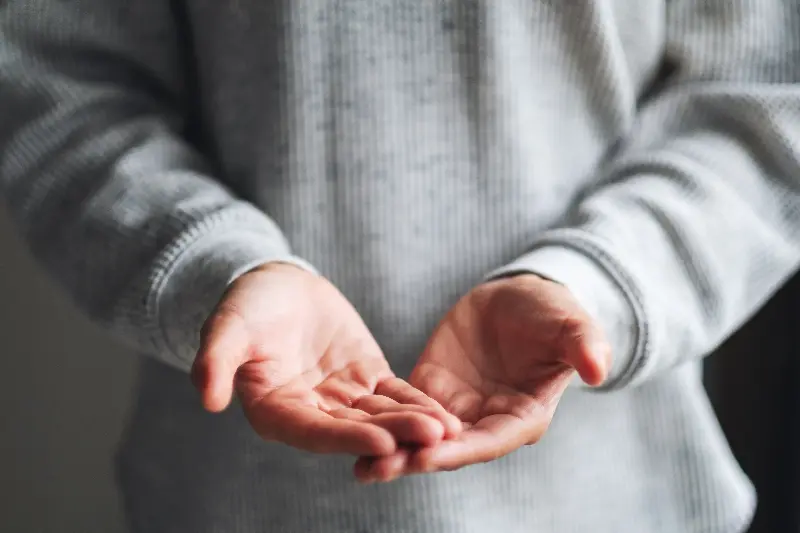
- Open Gestures: Using open palms and uncrossed arms suggests honesty and transparency.
- Subtle Mirroring: Gently imitating another person’s body language can subconsciously make them feel more understood.
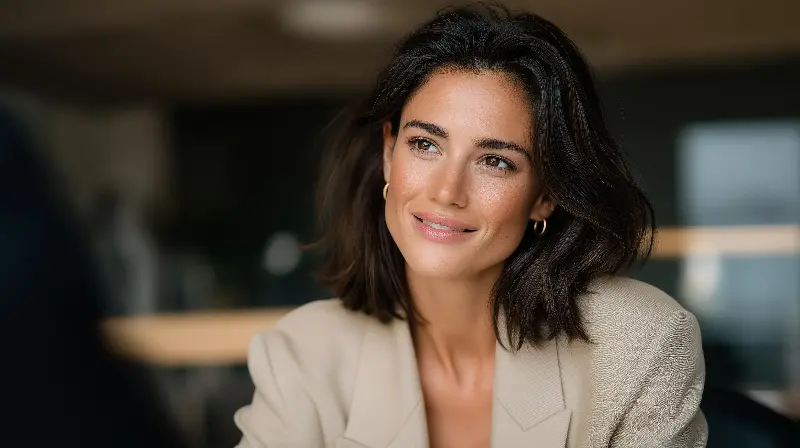
When it comes to your face, people respond best to genuine expressions. A forced smile is easy to spot, but a true one—where the muscles around the eyes crinkle—builds authentic connection.
HIDDEN MESSAGES: WHAT WE SUBCONSCIOUSLY CONVEY
Sometimes, our bodies send messages we don't intend. Even small details have silent stories to tell:
- Foot Direction: Turning your feet toward the exit may signal you're eager to leave, regardless of what you are saying.
- Object Interaction: Clutching a bag tightly or fidgeting with a pen often hints at hidden anxiety.
- Breathing Rate: Rapid, shallow breaths can betray stress to a keen observer.
In our digital era, video calls add a twist. While we lose some physical cues, your lighting, camera angle, and posture frame how others perceive your energy through the screen.
BUILDING SELF-AWARENESS AND SHARPENING YOUR SKILLS
Nonverbal communication can be practiced and improved just like any other skill. Start by observing yourself: pay attention to how you sit and gesture in different environments. You can even watch videos of confident speakers with the volume off to see what makes them captivating.
Next, focus on others. Notice the signals friends or colleagues show when they are comfortable versus when they are under pressure. By becoming more conscious of these cues, you’ll decode silent messages and develop stronger empathy.

TURNING SILENCE INTO YOUR STRENGTH
Whether you’re headed into a job interview or a social event, remember that the most impressive things you "say" might happen before you open your mouth. Nonverbal communication is a superpower available to everyone. By refining your silent signals, you can project confidence, build trust, and make lasting, positive impressions—all without saying a single word.
The next time you want to win someone over, start with the language your body already knows best.