


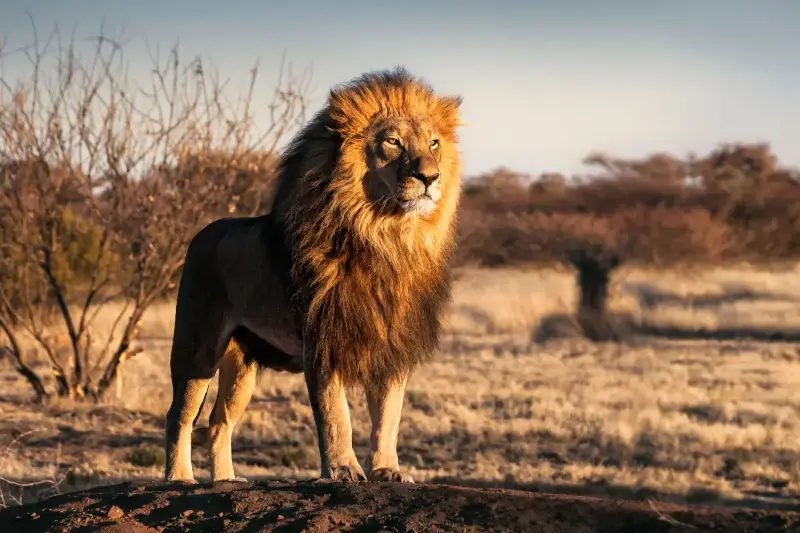
Deep in the golden savannahs of Africa, the unmistakable roar of the lion echoes as both a signature of royalty and a masterpiece of nature. Lions have long been considered the kings and queens of the animal kingdom, admired globally for their supreme power, mystique, and unbreakable family bonds.
Yet, beyond their majestic exteriors and famous flowing manes, the real lives of wild lions are filled with fascinating secrets and surprising truths. Let’s step closer into their world and uncover the untold wonders of these iconic big cats.
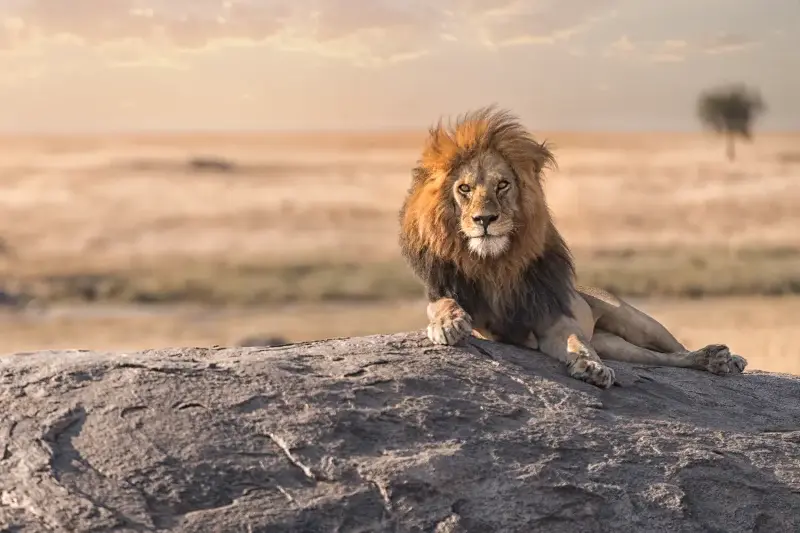
Social Lives and Prides: Family Is Everything
Unlike most other big cats who prefer a solitary existence, lions are remarkably social creatures. Their tight-knit family units, called prides, serve as the absolute backbone of their survival.
- Pride Composition: A typical pride is made up of related females, their growing cubs, and a defensive coalition of one to four adult males.
- Strength in Numbers: The size of these groups fluctuates wildly, ranging from as few as five to as many as thirty members.
- Division of Labor: Females are usually in charge of the pride’s day-to-day operations, working together to secure meals and protect the young.
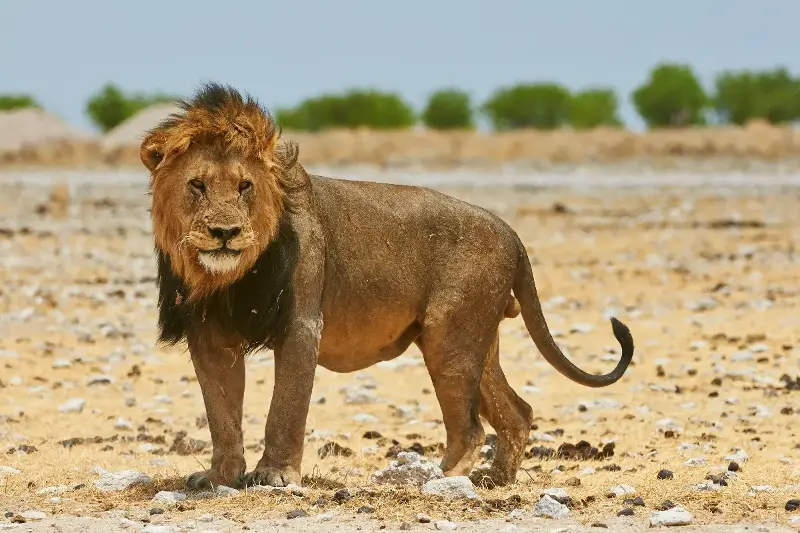
- The Guard Duty: While the adult males are less involved in daily cub-rearing, their massive size is critical for defending the pride’s territory from outside intruders.
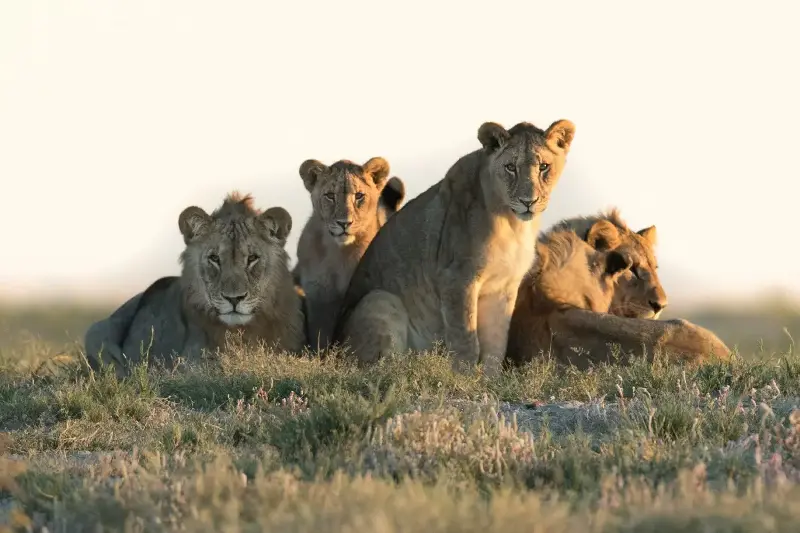
Royal Roars: Nature’s Thunderous Speech
One of the most awe-inspiring traits of a lion is its booming roar, an acoustic marvel that can travel up to five miles away.
Each vocalization carries significant meaning, helping individuals locate pride members, mark territory, or ward off potential rivals. Interestingly, no two roars are exactly the same. Much like human voices, each lion possesses a unique acoustic fingerprint that conveys specific information about their identity and current mood.
In the vast expanse of the African night, where visibility drops to near zero, this vocal power acts as a highly effective communication network. When an entire pride roars in unison, it creates a tremendous chorus that signals to the wild that their land is strictly off-limits.
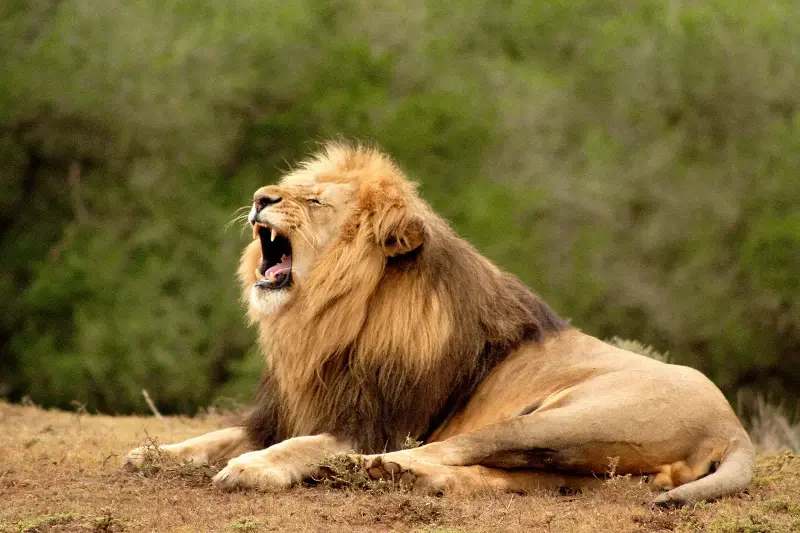
Hunting Tactics: Teamwork in the Grass
Despite their commanding image, lions rarely enjoy easy meals. Their preferred targets—including wildebeest, zebras, and heavy buffalo—are formidable opponents. Because of this, lionesses rely heavily on stealth, coordination, and patience during the chase.
- The Ambush Strategy: Hunting is a beautifully orchestrated team effort. While certain tracking lionesses lie in wait among the tall brush, others actively drive the prey directly toward them.
- Male Participation: Massive resident males rarely participate in standard hunts because their heavy manes make camouflage difficult. However, their sheer muscle is vital when taking down large animals or protecting a successful catch from competing scavengers like hyenas.
- The Power of Community: While a lion's solo success rate sits around 20 to 30 percent, their collaborative harmony gives them a massive evolutionary edge.
Cubs: The Next Generation of Royalty
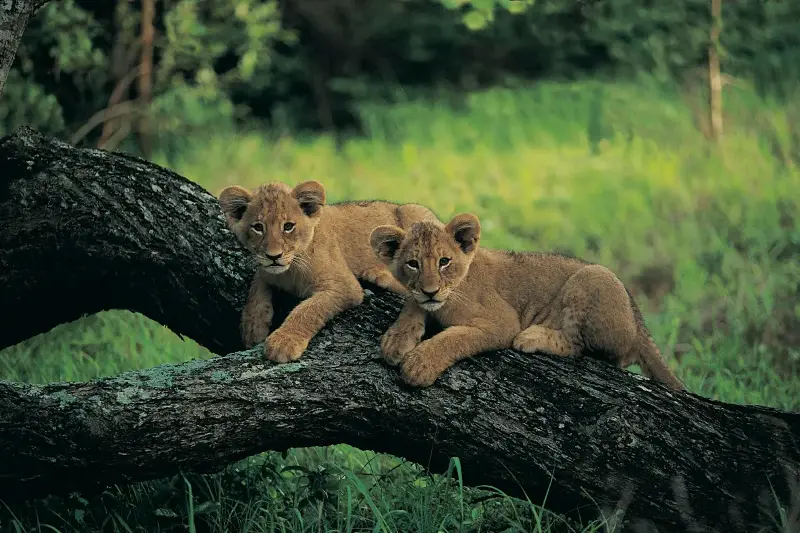
Lion cubs are the true heartbeats of the pride, arriving after a gestation period of around 110 days. These young cats are both fiercely protected and incredibly vulnerable in the wild.
To give the next generation the best head start, mothers synchronize their breeding cycles. This creates a highly effective crèche system, or communal nursery, where cubs are raised collectively and can nurse from any lactating female in the group.
Young lions learn the art of survival entirely through playful interaction. By pouncing on siblings and engaging in mock wrestling matches, they naturally hone their stalking and hunting skills. At roughly two years of age, young males leave their birth pride to seek out new territories and establish their own powerful coalitions.
Beyond the Crown: The Lion’s Role in Nature
Lions are far more than just symbols of strength; they are essential apex predators that maintain the delicate balance of their local ecosystems. By naturally regulating herbivore populations, they prevent overgrazing, which directly results in healthier, thriving grasslands.
Today, wild lions face modern pressures like habitat loss and environmental changes. Their continued journey depends heavily on global conservation groups and local communities working side by side. The real story of the lion is an inspiring narrative of resilience, unity, and natural wonder, proving that true royalty is defined by how you protect your kingdom.