



If you’re a fan of fashion, interior design, or simply swoon over a great old-school find, you’ve probably used the terms VINTAGE, RETRO, and ANTIQUE. In casual conversations, they are often used interchangeably.
However, getting these terms right isn’t simply a question of semantics—it unveils a lot about the style, age, and market value of a piece. Let’s delve into what truly sets these categories apart so you never second-guess your terminology again.
THE CHARM OF THE TRULY ANTIQUE
The word “antique” is perhaps the most misapplied style term of them all. It evokes images of stately dining rooms and ornate jewelry, but it carries a very specific chronological requirement.
In the world of collecting, an antique is generally defined as an object that is at least 100 years old. This isn't just a convention for dealers; it’s an industry standard used for customs and import rules in many countries.
- The Age Bracket: 100+ years.
- The Vibe: Pieces from the Victorian, Edwardian, or Art Deco eras (if early 1920s).
- The Reality: True antique garments are often too delicate to wear and serve best as collector's pieces or design inspiration.
The value of antiques lies in their rarity and their connection to a significant historical era. Because of their age, they may show character through wear or professional restoration.

WHAT MAKES IT VINTAGE?
“Vintage” is the term many of us reach for when something looks charmingly old but not ancient. It sits between modern and antique on the timeline but carries its own distinct cultural meaning.
Technically, vintage refers to items that are at least 20 years old but less than 100 years old. This category is where most "thrifting" treasures fall.
Why Vintage is Trending:
- Cyclical Fashion: Trends from the '70s, '80s, and '90s are constantly returning to the runway.
- Sustainability: Choosing vintage is a powerful way to practice environmentally conscious fashion.
- Craftsmanship: Many vintage pieces represent a level of quality and detail rarely found in today's "fast fashion" market.
While antique pieces are rarely worn, vintage clothes are meant to be lived in. Whether it is a '70s disco dress or a '90s luxury handbag, vintage represents iconic styles that have stood the test of time.
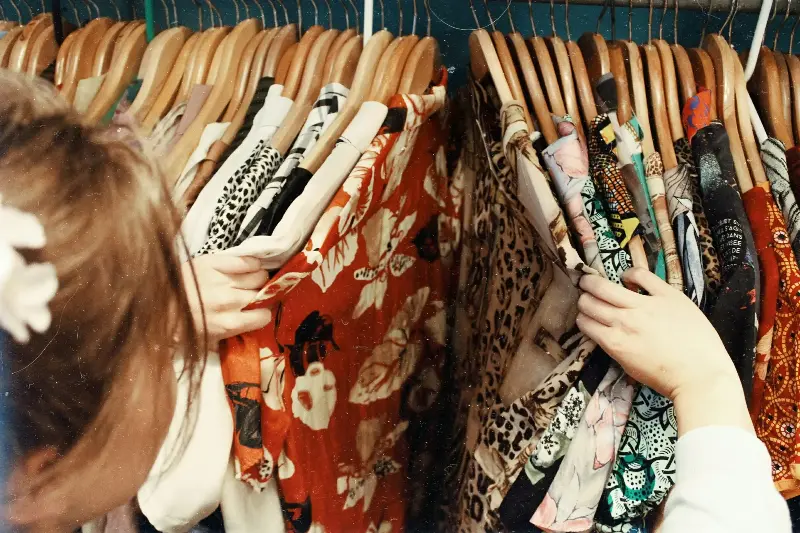
THE FUN AND FABULOUSLY RETRO STYLE
Enter “retro”—a term that is younger at heart and often the trickiest to define. Retro doesn't necessarily refer to the actual age of an item, but rather to its aesthetic intent.
Short for “retrospective,” this term describes new or fairly new items designed to mimic or pay homage to styles from the past. Imagine a brand-new dress with a 1960s polka-dot print; it isn't vintage because it hasn't aged 20 years, it is retro because it was created now with inspiration from then.
- The Strategy: Retro fashion allows designers to mix eras and experiment without the fragility of true vintage fabrics.
- The Look: It is often bold, cheeky, and nostalgic—think mid-century modern furniture manufactured today or "90s-inspired" grunge looks from 2024.

HOW TO TELL THEM APART AND WHY IT MATTERS
Knowing the difference between these terms helps set your expectations and avoid disappointment, especially when shopping at markets or online.
- Context Clues: Look for dates, brand history, union tags, or stamp marks to crack the code.
- Watch the Language: Many sellers use the phrase "vintage style" to indicate something is new—this is actually a retro item.
- Valuation: For collectors, proper classification is crucial. If a piece is labeled "antique" but the style suggests it’s from the 1970s, it is mislabeled and its value should be assessed as a vintage piece.
Whether you’re drawn to the provenance of antiques, the personality of vintage, or the playfulness of retro, embracing the history behind these terms only makes your style story richer. Next time you’re thrifting or admiring a friend’s ensemble, you’ll be able to spot—accurately—exactly what era you're looking at.