


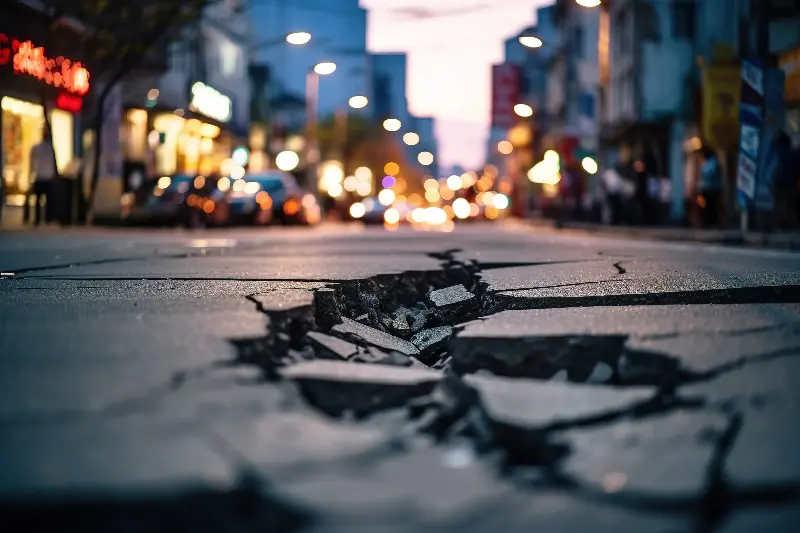
The ground beneath our feet often feels unmoving and dependable, but every once in a while, it reminds us just how alive our planet really is. Earthquakes, sometimes subtle and sometimes shattering, catch most people off guard. While the science of predicting them is still developing, what you do before, during, and after a quake can make a world of difference.
Being earthquake-ready isn’t about living in fear—it’s about staying empowered, prepared, and resilient.
UNDERSTANDING EARTHQUAKES: QUICK SCIENCE AND SURPRISING FACTS
Earthquakes are the result of sudden energy releases in the Earth’s crust, creating seismic waves that ripple outward. Most quakes are caused by the shifting of tectonic plates along fault lines, but they can also be triggered by volcanic activity or large human-made explosions.
- Record Breaker: The strongest earthquake ever recorded hit Chile in 1960, reaching a massive magnitude of 9.5.
- The Power of a Second: A significant quake can shift land masses by several meters and even alter the Earth’s rotation.
- Constant Motion: Around half a million detectable earthquakes occur globally every year. However, only about 100,000 are actually felt, and only a tiny fraction cause significant damage.
BEFORE THE QUAKE: PREPARING YOUR HOME AND FAMILY
Preparation doesn’t start with the first tremor. In fact, your best defenses are built on calm days. Securing your environment is the most effective way to prevent injury.
Securing Your Space:
- Anchor heavy furniture like bookcases, armoires, and cabinets to wall studs.
- Store glass and heavy objects on low shelves to prevent them from falling.
- Keep bed spaces away from windows and heavy hanging objects.
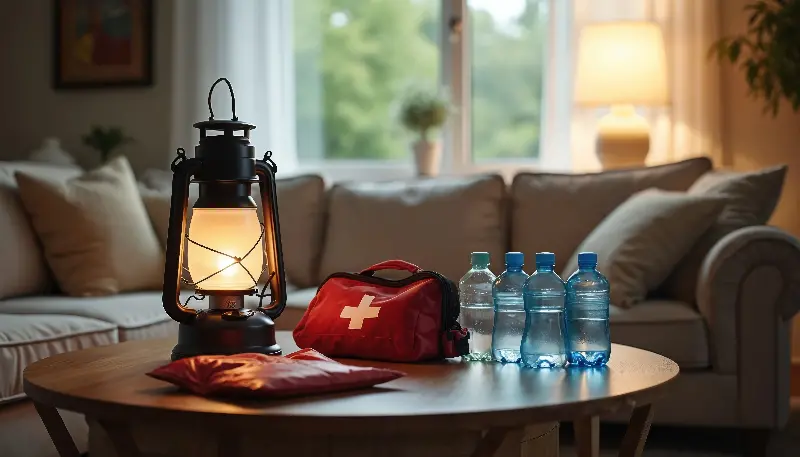
The Emergency Kit: Every household should have an earthquake kit containing water (one gallon per person per day), nonperishable food, flashlights, extra batteries, a first aid kit, sturdy shoes, and a whistle for signaling.
The Action Plan: Identify "safe spots" in every room—under sturdy tables or against interior walls. Ensure every family member knows how to shut off gas and electricity at the source. Finally, establish an out-of-area emergency contact to coordinate communication if local lines fail.
AS THE GROUND SHAKES: WHAT TO DO DURING AN EARTHQUAKE
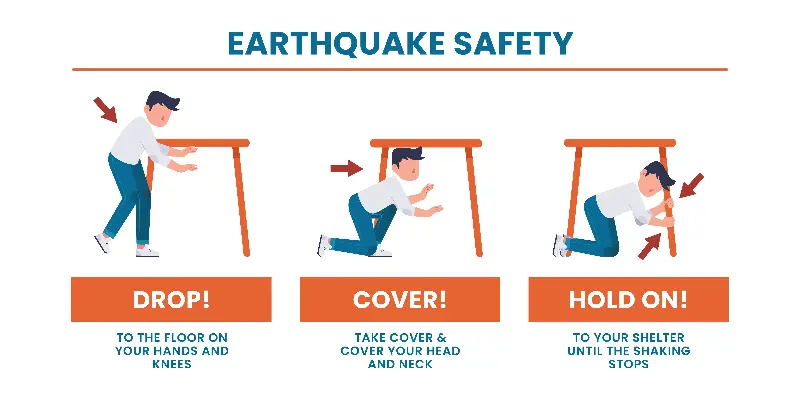
When you first feel the world rumble, ignore the instinct to run. Instead, follow the gold standard of earthquake safety: Drop, Cover, and Hold On.
- DROP to your hands and knees. This prevents you from being knocked over and allows you to stay low to the ground.
- COVER your head and neck with your arms. If a sturdy table or desk is nearby, crawl underneath it. If no shelter is available, move to an interior wall.
- HOLD ON to your shelter until the shaking stops. If you are under a table, hold onto one of its legs so it doesn't move away from you.
Specific Scenarios:
- If you are in a car: Pull over to a clear spot away from bridges, overpasses, and utility wires. Stay inside with your seatbelt fastened.
- If you are outside: Move to an open area. Falling debris from buildings is often a greater hazard than the actual ground movement.
- If you are in bed: Stay there and cover your head with a pillow.
A critical note: Do not run outside while the building is shaking. Most injuries occur as people try to enter or exit buildings during the peak of the tremor.
AFTER THE SHAKING STOPS: SAFETY AND SURVIVAL STEPS
Once the initial quake ends, the danger is not necessarily over. Aftershocks often follow, sometimes minutes or even days later, and can be just as destructive as the main event.
Immediate Priorities:
- Check for injuries: Provide first aid but do not move seriously injured persons unless they are in immediate danger.
- Inspect for hazards: Look for broken glass, exposed wires, and structural damage.
- Sniff for gas: If you smell gas, turn off the supply and leave the building immediately. Never use matches or lighters until you are certain there are no leaks.
Communication: Limit phone use to life-threatening emergencies to keep lines open for first responders. Use text messages to check in with family, as they are more likely to go through when networks are overloaded. If you are trapped, tap on pipes or use your whistle rather than shouting to preserve your energy and avoid inhaling dust.
BUILDING A CULTURE OF PREPAREDNESS
Earthquakes are a global phenomenon, but preparedness makes their impact far less devastating. Host family drills a few times each year and refresh your emergency supplies every six months.
When communities, schools, and workplaces come together to practice safety protocols, they build regional resilience. While no one can stop the ground from shaking, a well-practiced plan ensures you and your loved ones can stand safer and steadier when the earth moves.