


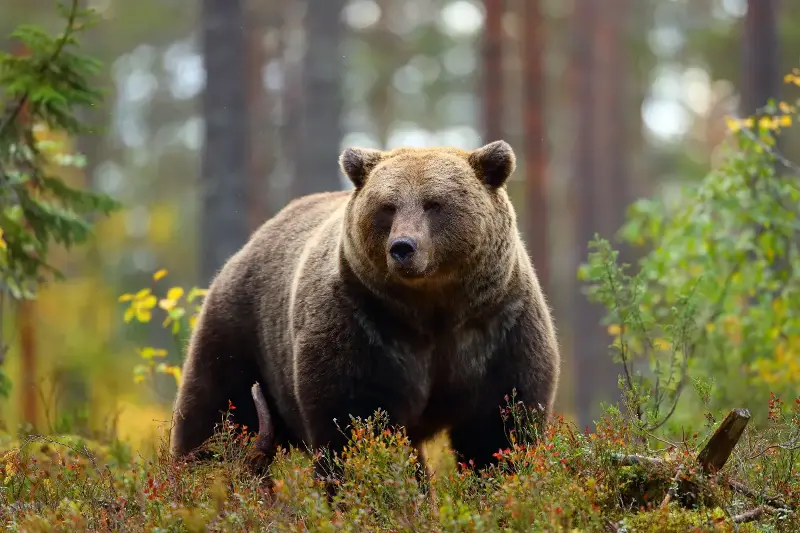
In the untamed wilderness of North America, few animals command as much awe as the grizzly bear. These iconic mammals are celebrated not just for their immense strength, but for their extraordinary survivability and unique behaviors. Among their most fascinating traits are their remarkable survival adaptations and the near-miraculous process of hibernation. Let’s delve into the wild world of the grizzly and uncover the impressive facts that make them such resilient survivors.
MASTERS OF ADAPTATION: A SURVIVAL TOOLBOX
Grizzly bears are built for resilience, thriving in diverse environments ranging from mountain meadows to dense forests. Their survival is powered by a set of highly specialized biological tools:
- Unrivaled Sensory Skills: A grizzly’s sense of smell is estimated to be over 2,000 times more powerful than a human's, allowing them to locate food, mates, and potential dangers from miles away.
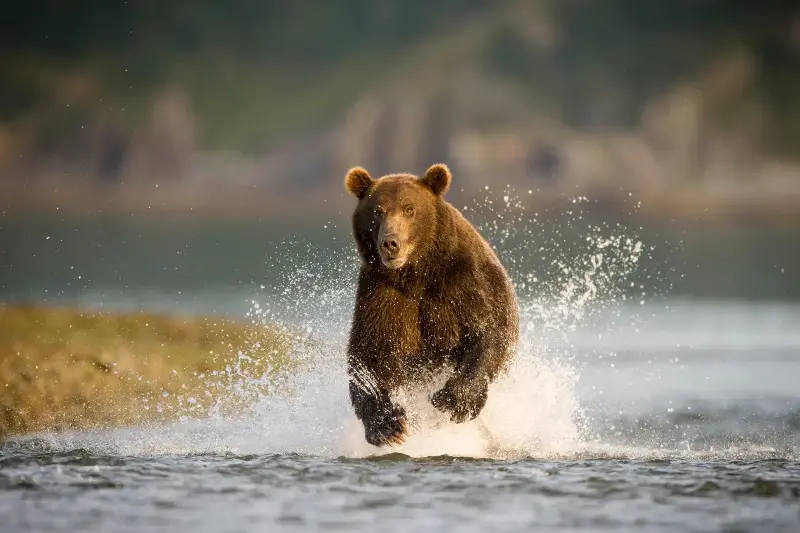
- Surprising Agility: Despite weighing up to 1,500 pounds, they are incredibly fast, capable of reaching speeds exceeding 30 miles per hour in short bursts.
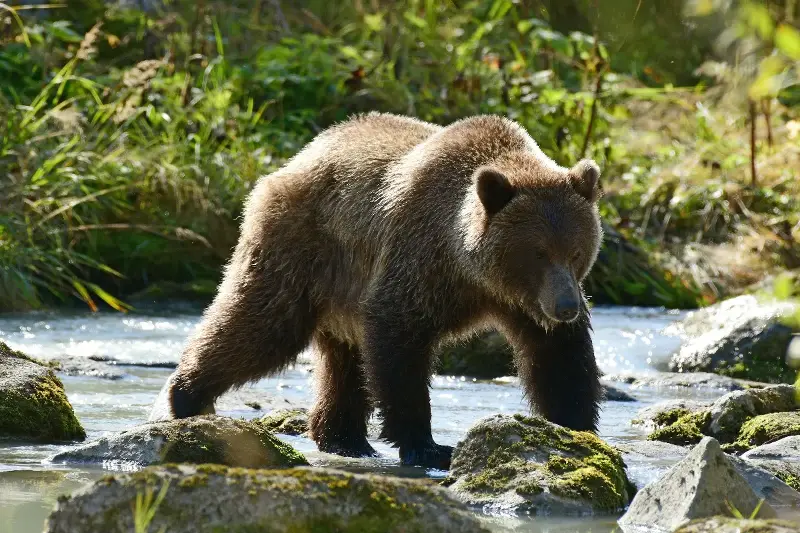
- Versatile Foraging: As adaptable omnivores, their diet includes everything from berries and nuts to fish and roots. This dietary flexibility allows them to thrive in landscapes where food availability changes with the seasons.
REMARKABLE HIBERNATION: NATURE’S ENERGY CONSERVATION
The ability to survive the harsh winter months is a testament to the grizzly’s biological genius. Unlike many animals that enter a deep sleep, grizzlies undergo a state of torpor.
- Metabolic Slowdown: During winter, their metabolism drops dramatically, allowing them to conserve energy for months.
- Hyperphagia: Before winter, bears undergo a frantic feeding phase, consuming up to 20,000 calories a day to build the fat reserves necessary to sustain them through their long rest.
- Biological Recycling: Perhaps most extraordinary is their body's ability to recycle waste products into protein, which prevents muscle loss and organ damage while they sleep. This unique process is currently being studied by scientists for its potential to advance human medicine and space travel.
SURVIVAL INSTINCTS: FROM CUBS TO ADULTS
Survival as a grizzly is a lifelong education, beginning the moment a cub is born.
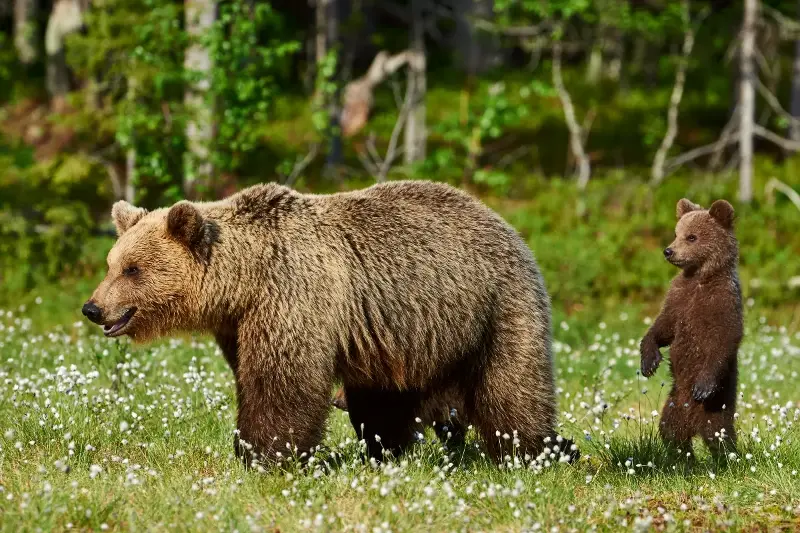
- Protective Motherhood: Cubs arrive small and vulnerable during hibernation. Mother grizzlies are fiercely protective, often defending their young against much larger threats to ensure their safety.
- Long-Term Learning: Offspring stay with their mothers for up to three years, learning vital skills such as how to forage, fish, and navigate the wilderness.
- Problem-Solving: Adult grizzlies demonstrate high cognitive abilities, including excellent memory for food locations and even the clever use of objects or tools to access sustenance.
UNIQUE BEHAVIORS AND SOCIAL STRUCTURES
While often solitary, grizzlies exhibit sophisticated social behaviors when resources are plentiful, such as during seasonal salmon runs.
- Complex Hierarchies: When gathering at rivers, bears follow a subtle hierarchy where dominant individuals claim primary spots while subordinate bears learn to navigate social cues to minimize conflict.
- Diverse Communication: They utilize a range of vocalizations, body language, and scent marking to signal warnings or maintain contact with their young.
- Peer Learning: Young bears sometimes form temporary groups for companionship and shared learning after leaving their mothers, a vital phase in developing adult social behaviors.
CONCLUSION
Grizzly bears are far more than just powerful icons of the northern wilderness. Their incredible survival instincts, unique hibernation biology, and complex social interactions make them a triumph of nature. As we study these animals, we gain more than just biological data; we find inspiration in their resilience and adaptability. Whether they are foraging, caring for their cubs, or slumbering through the coldest months, grizzlies remain a breathtaking testament to the wonders of the natural world.