


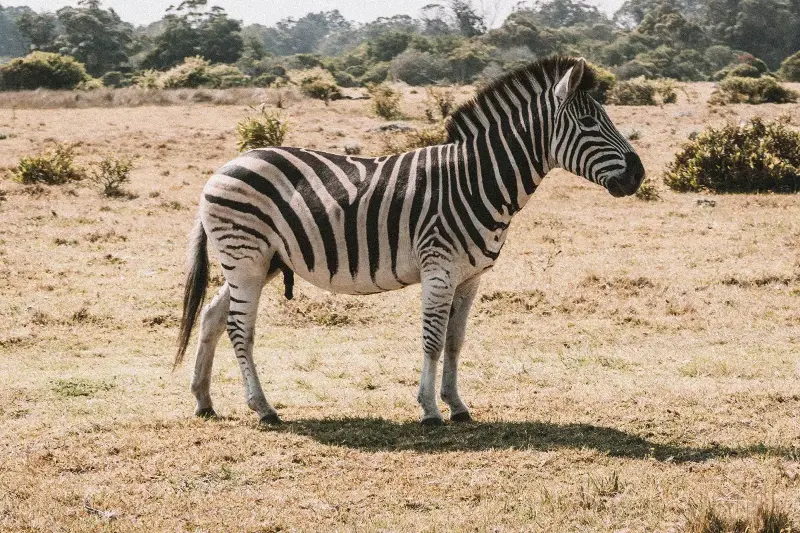
Zebras are among nature’s most captivating creations, instantly recognizable by their striking black-and-white stripes. Whether glimpsed in the wild African savannas or captured in art and media, these creatures embody the beauty and mystery of the animal kingdom. But what makes zebra stripes so unique, and why does no other animal display such a remarkable pattern? The answers unravel a fascinating tapestry of evolutionary, biological, and ecological wonders.
THE SCIENCE BEHIND THE STRIPES
Each zebra’s coat is like a living barcode—no two are ever exactly alike. While it might look like an artistic choice, their design is a feat of natural engineering. A zebra’s DNA programs pigment cells to produce stripes in specific ways, resulting in intricate patterns even within a single herd.
The three main species—plains, Grevy’s, and mountain zebras—showcase distinct variations in their coat:
- Pattern: The thickness and placement of stripes differ dramatically between species.
- Unique Identity: Much like human fingerprints, these variations are so pronounced that researchers can identify individual zebras by their markings alone.
- Biological Diversity: Grevy’s zebras wear thin, closely spaced stripes, while mountain zebras bear wider stripes and a distinct white underbelly.
WHY STRIPES? THE THEORIES THAT DAZZLE
Over the decades, scientists have proposed several compelling theories regarding the purpose of these bold markings. It appears that zebra stripes serve a diverse range of survival functions:
- Deterring Pests: Perhaps the most supported hypothesis is that stripes confuse biting flies. These insects find it difficult to land on striped surfaces, which helps the zebra avoid irritation and the diseases those flies carry.
- Thermoregulation: The alternating black and white bands may help zebras control their body temperature. Black stripes absorb heat, while white stripes reflect it, potentially creating small-scale air currents that keep the animal cool under the sun.
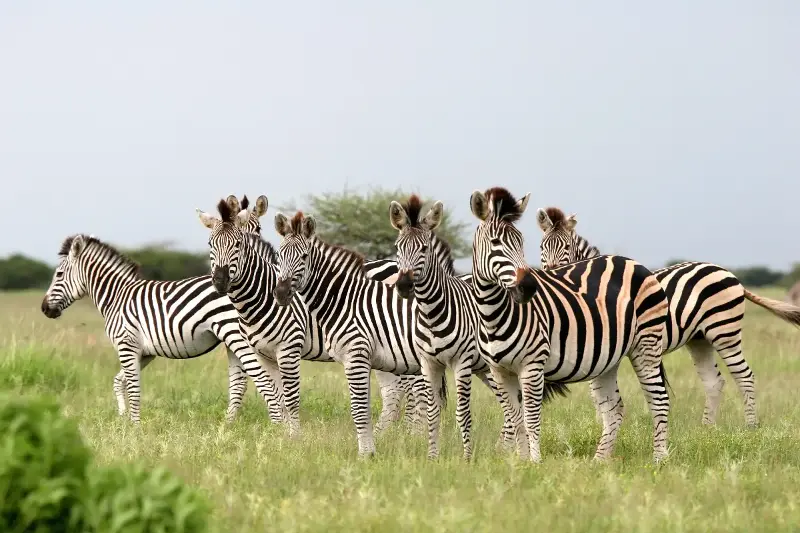
- Social and Defensive Utility: In large herds, the motion of many striped bodies can disrupt a predator’s ability to lock onto a single target. Additionally, these patterns likely assist mothers and foals in recognizing one another among hundreds of lookalikes.
STRIPES VERSUS OTHER ANIMAL PATTERNS
You might wonder why, out of all the animals in the world, only zebras boast such defined, full-body stripes. Many creatures use coloration for camouflage—like the spots of a leopard—but the zebra’s approach is distinctive.
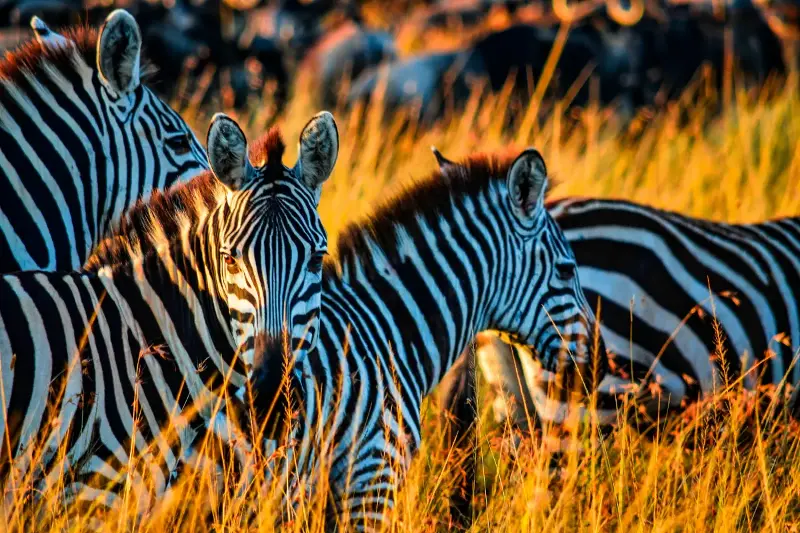
While other animals often use patterns to blend into their surroundings, zebra stripes create a high-contrast effect that actively disrupts perception for both predators and pests. No other large mammal has evolved such a comprehensive, full-body striped pattern. The open landscapes and unique ecological pressures of the African plains likely drove this singular, wild evolution.
CULTURAL FASCINATION AND CONSERVATION
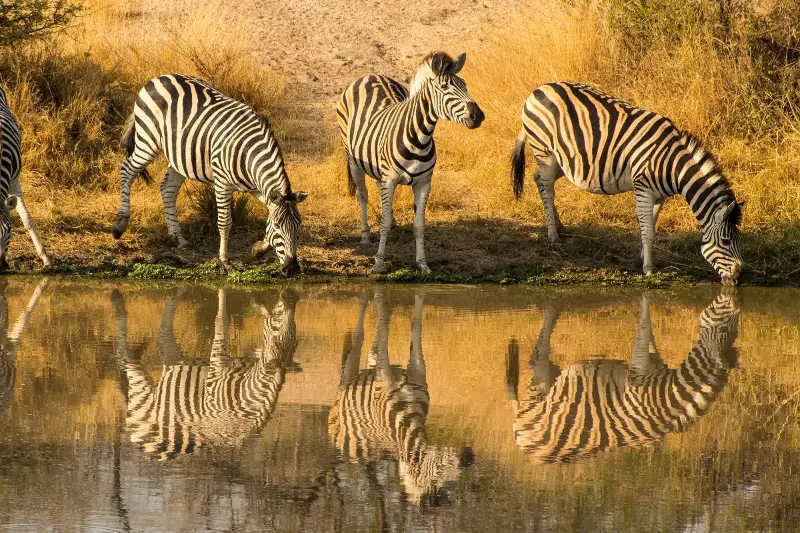
The zebra’s pattern has inspired humans for centuries, from ancient art to modern design. Yet, behind this wonder lies a pressing conservation story. All three zebra species face challenges, including habitat loss. The Grevy’s zebra is currently considered endangered, with its population reduced by human encroachment.
Safeguarding these habitats is essential. When we protect the zebra, we preserve a living masterpiece of nature—a testament to millions of years of adaptation.
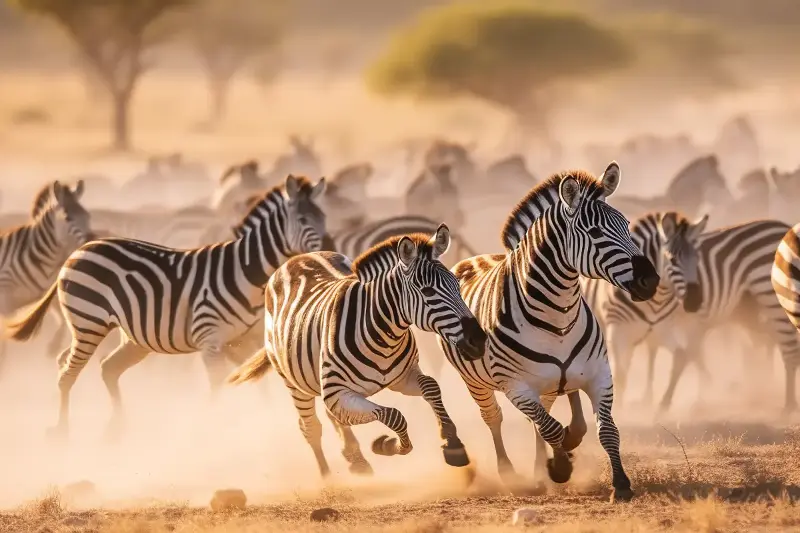
LOOKING CLOSER AT NATURE'S MASTERPIECE
Next time you see a zebra, take a closer look. Each animal is a walking work of art, with stripes that tell a hidden story of survival. Their existence reminds us of the extraordinary world we live in and the collective responsibility we have to protect it. The allure of the zebra is truly more than skin deep; it is an enduring mystery and a celebration of life on our planet.