


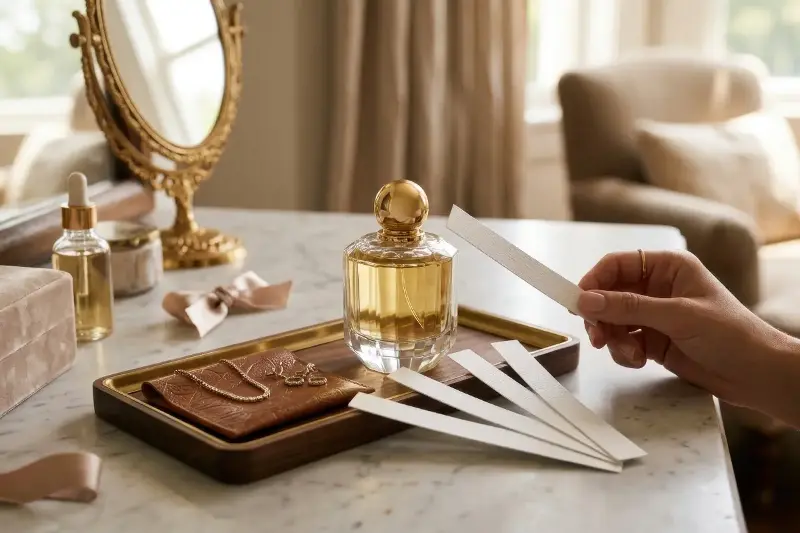
There is nothing quite like discovering a signature scent that feels uniquely you. Whether you prefer a blooming floral bouquet, a warm woody blend, or a vibrant fruity creation, your fragrance should linger gracefully, leaving a memorable impression wherever you go.
Yet for many, that dreamy, long-lasting effect proves elusive. Perfume often seems to disappear by midday, making those precious drops feel like a lost effort. The wonderful news is that with a few insider secrets, anyone can boost their fragrance's staying power and enjoy every facet of their favorite scent from dawn to dusk.
Understanding Fragrance Longevity and Skin Chemistry
A scent’s staying power is influenced by several key factors, starting with its core formula. Eau de parfum options contain higher concentrations of fragrant oils than lighter eau de toilette or cologne sprays, making them naturally richer and longer-lasting.
Personal body chemistry, skin type, and environmental climate also play major roles:
- Hydration matters: Dry skin struggles to retain scent, as fragrance molecules need natural oils to grip onto effectively.
- Warmth accelerates evaporation: Warmer weather or physical movement acts as a natural diffuser, causing scents to bloom faster and dissipate sooner.
- Oil concentration counts: Higher concentrations of aromatic oils mean slower evaporation and an all-day presence.
Understanding these fundamentals allows you to adapt your routine for maximum impact.
Choosing the Right Notes for Maximum Staying Power
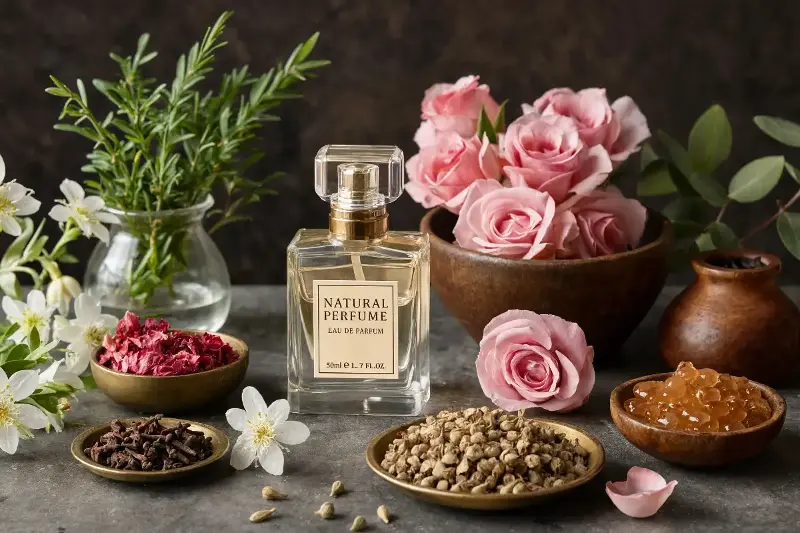
While personal taste comes first, the composition of a fragrance plays a huge role in its endurance. Scents built on rich base notes—such as sandalwood, cedarwood, vanilla, or amber—are famous for their exceptional longevity. These molecules are heavier and evaporate slowly.
Conversely, light citrus or delicate aquatic notes are designed for a fresh burst rather than deep, lingering presence. If you adore lighter top notes, consider layering them with matching body creams or using a balance of fresh notes anchored by a warm, solid base for the best of both worlds.
Preparing Your Skin Like a Beauty Professional
Moisturized skin is a fragrance’s absolute best friend. Applying your perfume right after a warm bath or shower is ideal, as open pores absorb and retain scent molecules far better.
- Apply a hydrating barrier: Smooth on an unscented moisturizer or matching body lotion beforehand to create a soft, supple base for perfume to cling to.
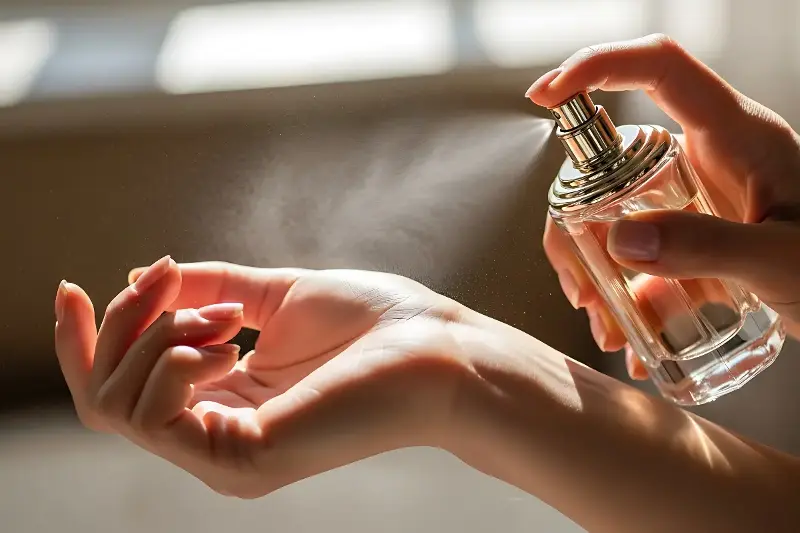
- Target key pulse points: Focus your application on warm areas like the wrists, base of the throat, inside the elbows, and behind the knees.
- Avoid friction: Never rub your wrists together after spraying, as this breaks down the delicate top notes and shortens the scent's lifespan.
Strategic Application and Smart Layering Techniques
A few intentional sprays deliver far better results than drenching your target spots:
- Mist your clothing: Perfume often lingers longer on natural fabrics like cotton and wool than on skin, though always test delicate fabrics first.
- Scent your hair gently: Lightly misting your hairbrush before brushing adds a subtle trail of aroma with every movement.
- Layer matching products: Build a multi-dimensional foundation using a shower gel, body lotion, and final perfume spray from the same fragrance family.
- Use nourishing oils: If matching products are unavailable, use pure jojoba, sweet almond, or coconut oil as an unscented anchor.
Simple Touch-Up Secrets for All-Day Freshness
Carrying a compact travel rollerball or solid perfume is a classic insider move. A quick dab on your pulse points or behind the ears mid-afternoon rejuvenates fading notes instantly.
Remember, perfume should always feel like an invitation rather than an announcement. A true signature scent is a soft whisper—a charming personal aroma discovered up close rather than across the room. With these thoughtful preparation steps, your chosen fragrance will remain a beautiful, unforgettable part of your daily style.