


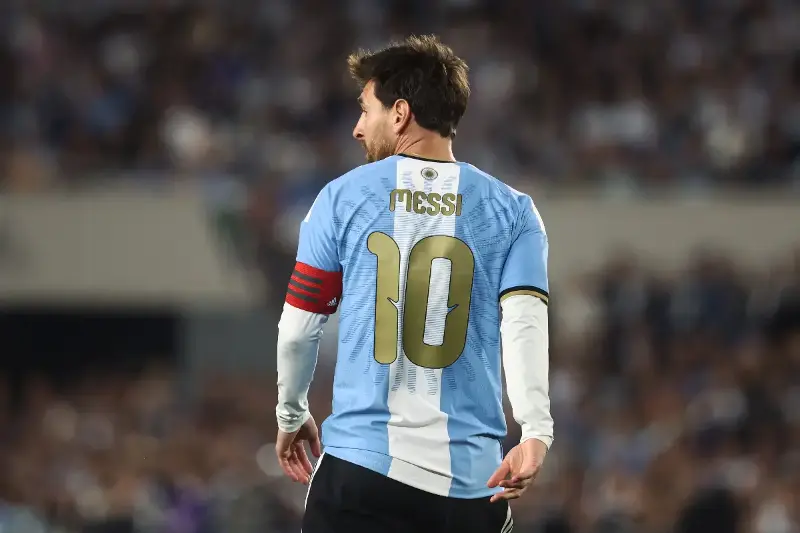
A profound sense of reflection and reverence swept across the Estadio Monumental in Buenos Aires as Lionel Messi stepped onto the pitch to conclude his legendary 208-match journey with the Argentine national team. The atmosphere was charged not merely with the excitement of an international fixture, but with the culmination of a saga spanning over two decades. Buenos Aires witnessed far more than a sporting farewell; it marked the absolute redemption of a bond that evolved from initial skepticism, hurt, and rejection into the undying, absolute love of an entire nation.
Today, Messi leaves the Albiceleste as an immortal icon. Yet, the deep affection Argentina holds for him was once a rare luxury. Left for Barcelona at the age of 13, Messi conquered the footballing world in Catalan colors without ever representing domestic giants like River Plate or Boca Juniors. Consequently, some Argentines initially viewed him as an outsider, despite his preserved Rosario accent and fundamental identity.
Overcoming The Shadow Of Maradona
That divide was further amplified by the towering shadow of Diego Maradona. Where Maradona was explosive, abrasive, and vocal, Messi was quiet and reserved, communicating almost exclusively through his boots. In a country that cherishes emotionally charged figures, Messi's stoic nature was often mistaken for coldness. Every imperfect match reignited doubts about whether he was truly "Argentine" enough or merely a genius molded by a European system. The expectation to replicate Maradona’s 1986 World Cup heroics became a heavy burden, resulting in heartbreaking final losses at the 2014 World Cup and consecutive Copa América tournaments.
The pressure reached a breaking point following a painful defeat to Chile, prompting a brief retirement as the weight of the blue-and-white jersey seemed to surpass human endurance. Yet, Messi returned—not to prove his superiority, but to finish what he started with the land of his birth. From that moment onward, the Argentine public began to view their captain through a far more empathetic lens.

The Golden Era Of Triumph
The turning point arrived with the 2021 Copa América triumph at the Maracanã Stadium, ending a 28-year trophy drought for Argentina and liberating Messi from his greatest psychological burden. What followed was a golden era of dominance, encompassing the Finalissima, the 2022 World Cup in Qatar, and the 2024 Copa América. The trophies did not create the country's love for Messi; rather, they allowed Argentines to realize that the love had been there all along, obscured only by towering expectations.
In that glorious moment in Qatar, as millions flooded the streets of Buenos Aires, Messi was no longer chasing acceptance. He had become the ultimate symbol of the nation's identity—not by replacing Maradona, but simply by being himself. He became the stabilizing anchor of Argentine football, instilling an unshakeable sense of reassurance whenever he took the pitch.

A Legacy That Transcends Trophies
Beyond the dazzling goals, precise assists, and silver trophies, Messi’s true connection with Argentina was forged through his resilience. He knew defeat, tears, and doubt, yet he harnessed his talent and willpower to sustain belief in a national team that often teetered on the brink. He spent nearly twenty years seeking his homeland's acceptance, ultimately gifting that homeland the absolute best of himself in return.
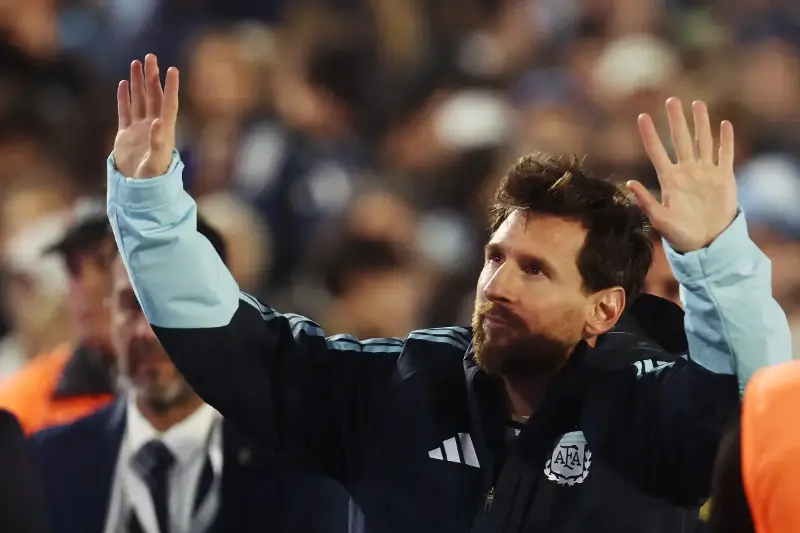
As Messi steps away from international duty, Argentina faces the daunting reality of moving forward without its greatest talisman. There will inevitably be moments of deadlock when spectators instinctively look for the number 10 jersey to turn the impossible into reality. While a new generation will step up and chart its own path to glory, it will take time for the footballing world to adjust to an Argentine lineup without Messi. Though he will no longer wear the captain's armband, the legacy of Lionel Messi will forever remain a guiding light for future generations, illuminating the history of Argentine football as an enduring, irreplaceable icon.