


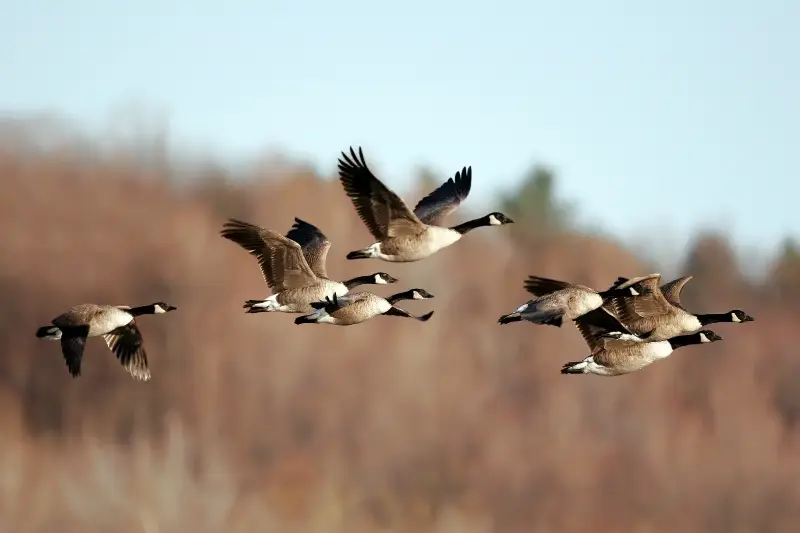
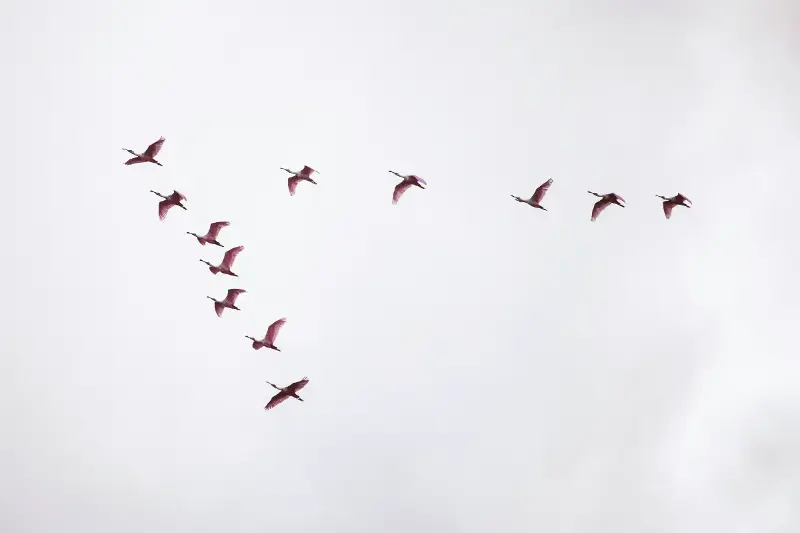
As flocks of birds soar across the sky in flawless V-shaped formations, the sight is both mesmerizing and mystifying. This natural spectacle is more than just visually stunning; it is a remarkable example of animal behavior shaped by physics, biology, and the power of teamwork. Scientists have studied why migratory birds adopt this perfect formation for centuries, uncovering a strategy that is as inspiring as it is efficient.
THE PHYSICS OF THE V: HARNESSING AERODYNAMICS
The primary reason birds fly in a V formation is to optimize flight efficiency. Much like cyclists who ride close together to reduce wind resistance, birds use aerodynamics to their advantage.
- Wingtip Vortices: When a bird flaps its wings, it creates a rotating pattern of air, known as a wake or vortex.
- The Uplift Boost: When a trailing bird positions itself slightly behind and to the side of the leader, it catches an uplifting current created by the leader’s wings.
- Energy Conservation: This natural "boost" reduces the effort needed to stay airborne. Research shows that birds in a V formation can save up to 20% to 30% in energy, which is vital for long-distance migration.
COMMUNICATION AND COORDINATION IN THE FLOCK
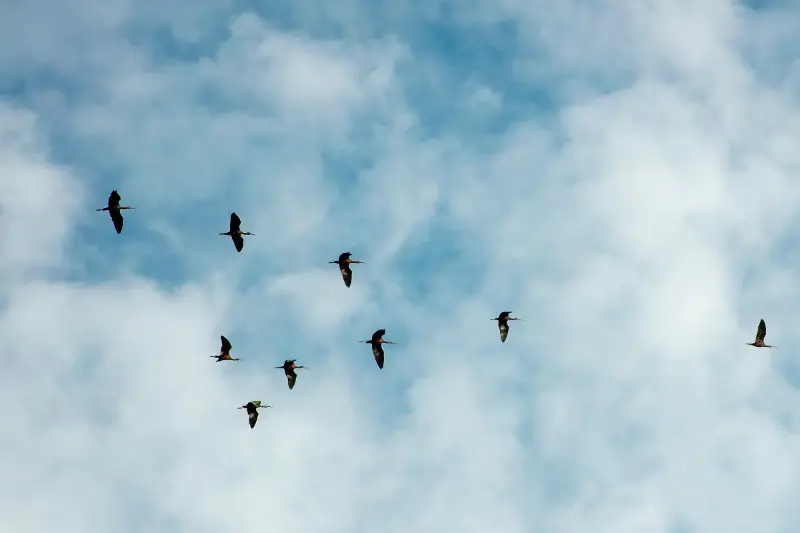
The V formation is a triumph of intricate coordination. Birds rely on keen eyesight and vocal signals to keep tabs on their neighbors, ensuring the entire flock moves as one.
- Shared Leadership: Flocks rarely rely on one bird. Migratory birds rotate the exhausting front position, ensuring no single member suffers from excessive fatigue.
- Rhythmic Synchronization: Larger flocks often synchronize the timing of their wingbeats. By matching the exact rhythm of their neighbors, birds fine-tune their ride on the upwash, amplifying energy savings for the whole group.
- Dynamic Adjustments: Subtle changes in wing position allow the flock to speed up, slow down, or shift direction instantly, demonstrating a high level of social intelligence.

PRACTICAL BENEFITS BEYOND ENERGY SAVINGS
Beyond pure physics, the V formation serves critical social and safety functions:
- Collision Prevention: By spreading out, birds maintain a clear line of sight, reducing the risk of mid-air accidents.
- Rapid Communication: The spatial arrangement allows for near-instant transmission of signals, such as warnings about predators or sudden weather changes.
- Learning and Bonding: The structure makes it easier for younger, less experienced birds to mimic the flight paths and behaviors of veterans, ensuring the survival of the group’s migratory knowledge.
NATURE’S INSPIRATION: HUMAN APPLICATIONS
The wisdom of the V formation has become a model for human innovation. Scientists and engineers are actively applying these avian strategies to modern technology:
- Aviation Efficiency: Commercial and military aviation industries have experimented with aircraft flying in V formations to significantly reduce fuel consumption on long-haul flights.
- Autonomous Systems: Researchers are using this formation to design drone swarms that are more stable, fuel-efficient, and capable of complex, coordinated navigation.
- Engineering Solutions: These feathered travelers teach us that cooperation, communication, and perfect timing are the keys to solving complex logistical problems.
The next time you see a flock of birds cruising across the sky, remember that you are witnessing a sophisticated blend of natural science and teamwork. These travelers remind us that nature often holds the keys to our most challenging technological advancements, proving that even the simplest patterns can be a masterpiece of evolution.