


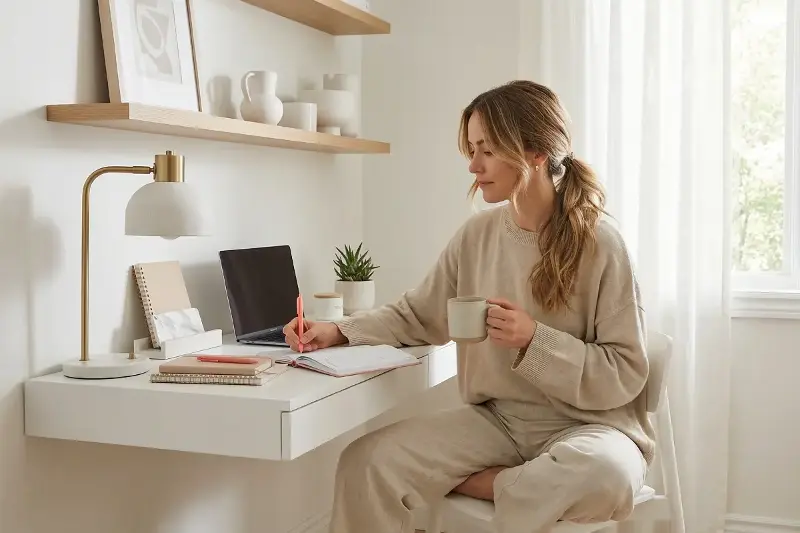
Minimalism is often misunderstood as a life of empty rooms, stark white walls, and owning a single plate. In reality, it is not a competition to live with the absolute fewest possessions. Instead, it is a practical way of asking a fundamental question: does this item belong in the life I want to create?
For one person, minimalism might mean a streamlined wardrobe filled with clothes they love. For another, it might involve keeping an extensive collection of cookbooks, sports gear, or art supplies. The point is not deprivation; it is choosing what earns space, attention, and care in your home.
Defining Your Personal "Enough"
There is no universal checklist for minimalist living. A parent of three, an artist, a frequent traveler, and a dedicated gardener will naturally require different tools. What matters is whether your possessions support daily life rather than complicate it.
Minimalism works best when aligned with personal priorities:
- For the entertainer: Keeping a large dining table, extra chairs, and serving platters makes perfect sense.
- For the mobile worker: Preferring a compact setup with fewer bulky items allows for easy movement and quick cleaning.
Rather than asking "Could I live without this?", a more useful question is "Does this item improve my life often enough to justify keeping it?"
Why Less Can Feel Like More
Physical clutter creates visual noise that competes for your attention, making it harder to focus and relax. Simplifying your environment brings immediate practical benefits:
- Saves time: Less clutter means less time spent cleaning, organizing, and searching for lost items.
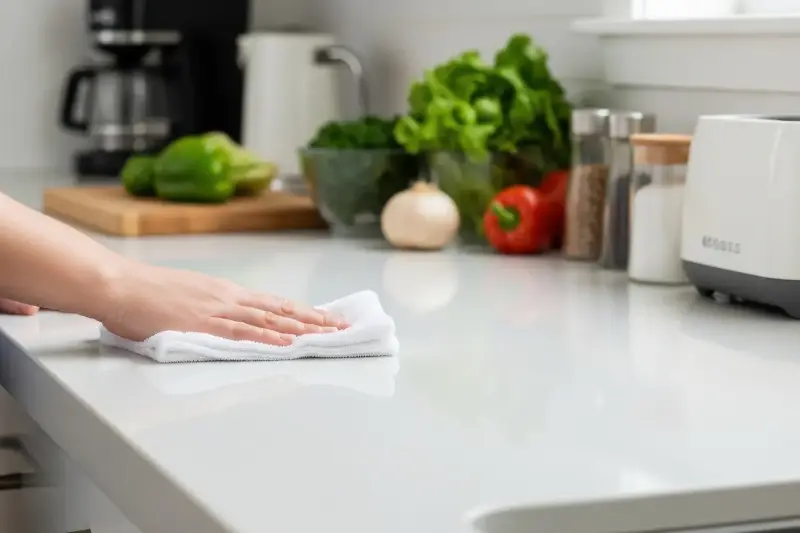
- Eases daily routines: Clear kitchen counters make cooking inviting, and a curated closet makes getting dressed effortless.
- Encourages intentional spending: Buying one reliable item that lasts years reduces the gap between what you buy and what you actually use.
A simpler home reduces daily stress and frees up valuable mental energy.
Minimalism versus Deprivation
Deprivation is driven by rigid rules, whereas minimalism is driven by conscious choice. If getting rid of a favorite guitar or a comfortable sofa makes your life feel diminished, that is not minimalism—it is simply unnecessary loss.
Healthy minimalism leaves plenty of room for joy:
- Active enjoyment: Books, craft supplies, or collections are not clutter if they are actively used and appreciated.
- Mindful keepsakes: Preserving memories does not require keeping every old card or souvenir. Selecting a few meaningful keepsakes allows you to honor the past without overcrowding your living space.
Items kept out of habit, obligation, or vague future scenarios add weight. Items kept out of genuine utility or joy add value.
Small Habits for Lasting Change
Transforming your home does not require a dramatic weekend overhaul. A slower, deliberate approach prevents decluttering regret and builds sustainable habits:
- Start simple: Begin with low-emotion categories like expired pantry items, duplicate kitchen utensils, or broken electronics.
- Practice the purchase pause: Wait 24 hours before buying non-essential items to see if the desire lasts.
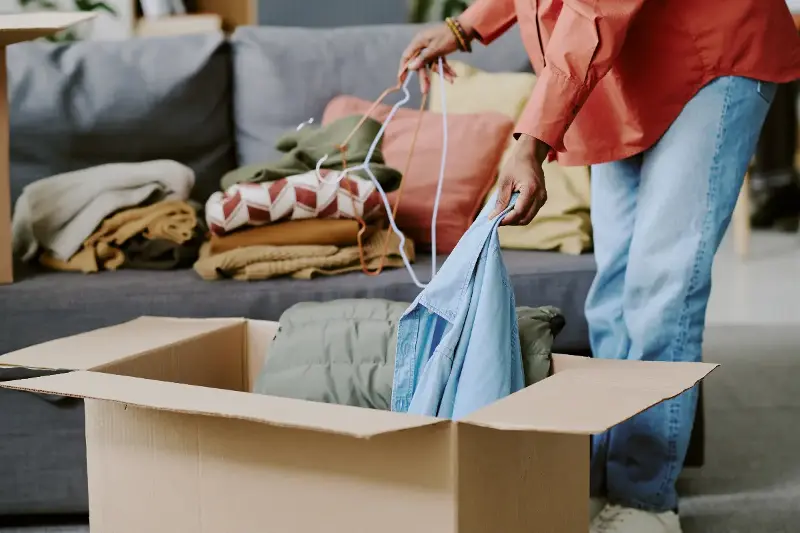
- Simplify exits: Keep a designated donation box in a closet so letting go of unused items becomes a seamless, routine habit.
Making Space for What Matters
The ultimate goal of minimalism is not an empty house, but a fuller life. Reducing physical excess creates time and space for what truly counts: rest, relationships, creativity, and personal growth.
When you surround yourself only with items chosen with care, everyday objects become more appreciated. Minimalism is not a rigid rulebook; it is a flexible invitation to live with greater clarity, purpose, and peace.