



Tea begins as a humble leaf, yet it has inspired rituals, artistic expression, and quiet conversations across cultures for centuries. Preparing tea is far more than simply making a drink. It creates a meaningful pause in the day—a dedicated space where hands slow down and attention returns to the present moment.
Whether enjoying a bowl of matcha, a multi-steep tea session, or a shared pot of fresh mint tea, this ancient beverage invites us to slow down. In a fast-paced world full of constant notifications, tea offers an accessible ritual of soulful silence and mindful presence.
The Quiet Language of Tea
Tea has long been associated with stillness because its preparation rewards patience. Different varieties thrive under precise care:
-
Green Tea: Best brewed below boiling point, often between 70°C to 80°C, to maintain a smooth, sweet flavor.
-
White Tea: Requires an even gentler touch with cooler water to preserve its delicate notes.
-
Black & Herbal Teas: Can handle higher water temperatures to fully extract their robust aromas.
In traditional Japanese tea culture, the tea ceremony (chanoyu) is built on care, respect, harmony, and tranquility. Every movement has purpose: folding a cloth, placing a bowl, and whisking powdered matcha. While the ceremony appears formal, its core message is simple: ordinary actions become meaningful when performed with complete presence.
You do not need specialized equipment to create this sanctuary. A favorite mug, loose leaves, and five undisturbed minutes provide all the elements needed for a personal daily ritual.

A Cup That Connects People
Beyond personal reflection, tea serves as a universal gesture of hospitality and human connection:
-
Chinese Gongfu Tea: Uses a small teapot or gaiwan with short infusions, allowing guests to observe how the leaf flavors evolve across multiple steeps.
-
Moroccan Mint Tea: Blends green tea with fresh spearmint, poured gracefully from a height to create a light foam that cools the drink and blends its ingredients.
-
Casual Gatherings: Offering a warm cup gives people a shared focus, softening difficult moments and creating natural pauses for meaningful listening.
Mindfulness in the Small Details
Mindfulness can be practiced naturally through everyday sensory experience:
-
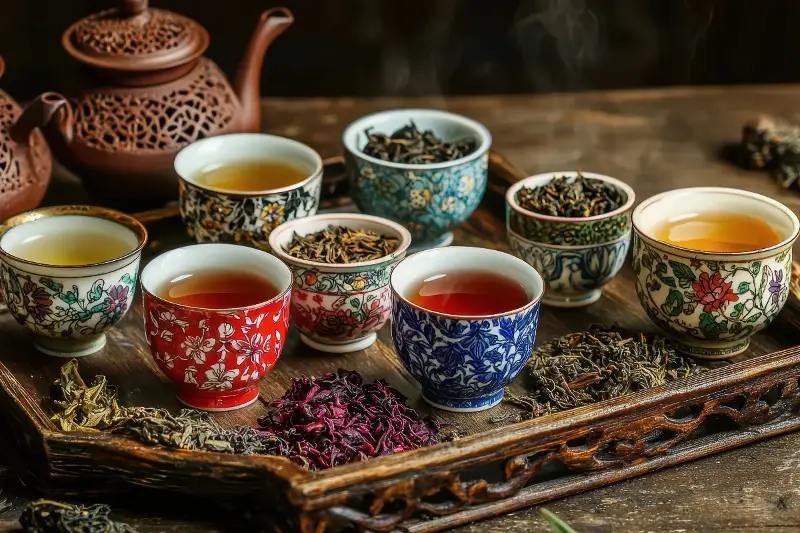
Visual Experience: Observe the dry leaves—whether tightly rolled, silvery, or broad—and watch them unfurl as they steep.
-
Evolving Flavors: A quality cup changes as it cools. Oolongs reveal floral or roasted notes, while green tea transitions from vibrant freshness to a gentle, savory finish.
-
Natural Harmony: True teas (Camellia sinensis) naturally contain L-theanine, an amino acid studied for promoting a state of relaxed alertness. Combined with gentle caffeine levels, it supports smooth focus without harsh spikes. Herbal infusions like chamomile or peppermint offer a caffeine-free alternative for evening relaxation.

Creating Your Personal Tea Practice
Building a daily practice fits easily into any routine:
-
Select a Dedicated Time: Choose an uninterrupted moment—early morning before opening messages, a mid-afternoon pause, or the quiet hour before bed.
-
Focus on Quality Fundamentals: Use fresh water and quality loose leaves so they have room to expand fully.
-
Engage the Senses: While the tea steeps, resist reaching for a digital device. Instead, inhale the rising steam, watch the color deepen, and take a few intentional breaths.
Tea will not instantly remove every pressure of modern life, but it gently changes the texture of a day. It reminds us that authentic connection does not require grand events—sometimes it simply begins with warm water, a handful of leaves, and a willing presence.