


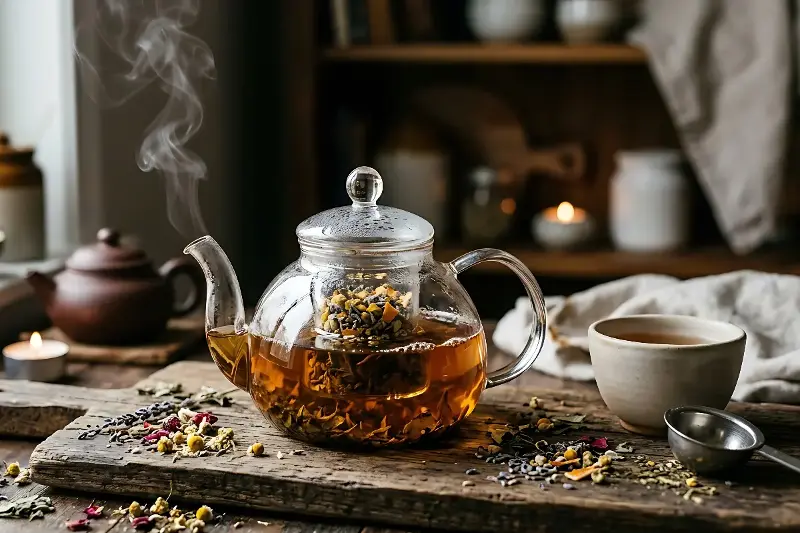
The end of a busy workday often calls for a small ritual that signals it is time to slow down. Herbal tea brewing can become exactly that: a calm, sensory pause involving warm water, fragrant leaves, and a few unhurried minutes. Unlike traditional black, green, or oolong teas, most herbal infusions are naturally caffeine-free, making them a popular evening choice for relaxing without a late-night energy lift.
Herbal tea is not technically “tea” in the botanical sense (Camellia sinensis). Instead, herbal blends are infusions—often called tisanes—made from dried flowers, leaves, roots, seeds, spices, or fruit. This wide variety of natural ingredients means there is a soothing evening cup for nearly every taste preference.
Why Brewing Feels Restorative
The calming appeal of herbal tea is not only about what is in your mug. The preparation process itself invites a refreshing change of pace:
-
Creates a clear boundary: Filling a kettle, measuring loose herbs, and waiting for the infusion to steep sets a helpful line between work responsibilities and personal time.
-
Encourages digital detox: Holding a warm cup gives your hands something comforting to do rather than rushing into chores or scrolling on screens.
-
Engages the senses: Steaming aromas deliver instant sensory comfort as you take a moment to breathe deeply.
A gentle tea ritual works best when it remains simple. You only need a kettle, a heat-safe mug, a simple infuser, and a few quiet minutes.
Choosing Herbs for the Evening
-
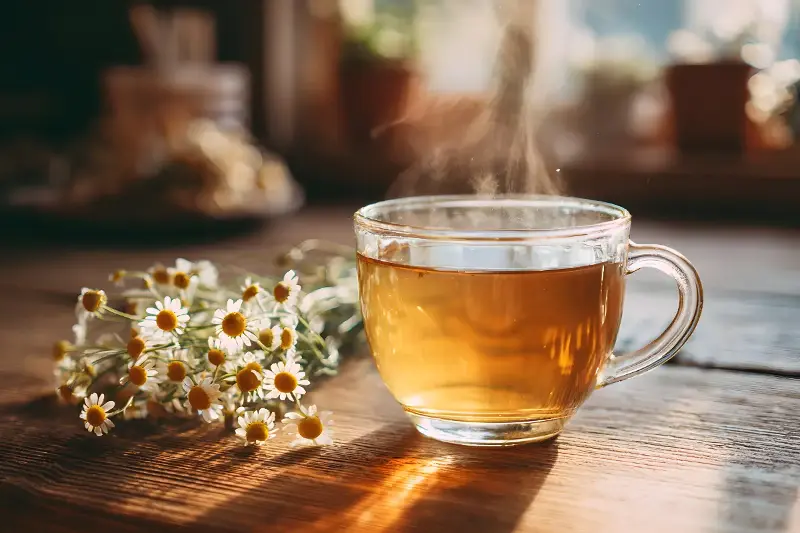
Chamomile: Famous for its mild golden liquor with floral, honeyed notes and a faint apple scent. It tastes wonderful on its own or with a light drizzle of honey.
-
Peppermint: Offers a clean, cooling aroma that feels particularly refreshing after a rich dinner. Its bold, natural flavor is easy to enjoy without any added sweeteners.
-
Lemon Balm: A member of the mint family featuring gentle lemony notes without the sharpness of citrus juice. It pairs beautifully with chamomile for a mellow, garden-fresh blend.
-
Rooibos: Originating in South Africa, rooibos brews into a naturally sweet, reddish cup with notes of vanilla, caramel, and dried fruit. Because it is naturally robust, it stands up well to milk or oat milk as a rich, creamy evening treat.
The Simple Art of Steeping
Herbal brewing is delightfully forgiving, but a few basic steps will maximize your flavor:
-
Water Temperature: Most dried herbal blends respond best to freshly boiled water (around 95°C to 100°C). Use roughly one teaspoon of loose herbs per 250 milliliters of water.
-
Cover the Cup: Always cover your mug or teapot while steeping. This small step keeps essential aromatic oils from escaping with the steam.
-
Steeping Time: Steep delicate flowers like chamomile for five to seven minutes. For rooibos, ginger, or spice blends, allow eight to ten minutes for a fuller flavor.
Flavor tip: Fresh ingredients can easily elevate your brew. Add a strip of fresh orange peel to rooibos, a slice of fresh ginger to lemon balm, or a subtle pinch of dried rose petals to make an ordinary cup feel extraordinary.
Creating an After-Work Ritual
Set aside ten minutes as soon as work is finished. Put your devices face down, choose a favorite mug, and let the herbs steep while you change into comfortable clothes or quietly enjoy the fresh air from an open window.
Pairing your tea with a light snack can make the transition even more satisfying:
-
Chamomile pairs wonderfully with almond shortbread.
-
Peppermint complements dark chocolate or fresh berries.
-
Rooibos goes beautifully with a slice of warm banana bread or toast with nut butter.
Safety note: While herbal tea is generally gentle, pregnant or breastfeeding individuals, those taking prescription medications, or anyone with specific allergies should consult a qualified healthcare professional before trying unfamiliar herbs.
Ultimately, a warm cup of herbal tea offers much more than hydration—it provides a modest, peaceful invitation to pause, reset, and reclaim your evening.