


A well-groomed cat not only looks beautiful but feels their best too. If you are a cat parent, you know the pride that comes with stroking a luxuriously soft coat, but also the frustration of fur drifting through your home. Cats naturally shed, but with a blend of smart care, targeted nutrition, and handy grooming routines, you can unlock the secrets to keeping your cat’s fur silky smooth while minimizing loose hair.
UNDERSTANDING YOUR CAT’S FUR AND SHEDDING CYCLE
To tame shedding, it helps to understand why it happens. Most cats have a unique double coat: a soft undercoat for insulation and stiffer guard hairs for outer protection. Cats naturally shed old or damaged hairs based on breed, age, and health.
- Seasonal Molting: While indoor cats exposed to artificial lighting may shed lightly year-round, all cats ramp up their shedding in the spring and fall.
- Health Indicators: Excessive shedding can sometimes signal stress, poor nutrition, or skin sensitivities. If you notice bare patches or irritated skin, a quick visit to the veterinarian is important. For most healthy felines, however, shedding is completely normal and highly manageable.
DAILY GROOMING: THE GOLDEN RULE FOR SILKY FUR
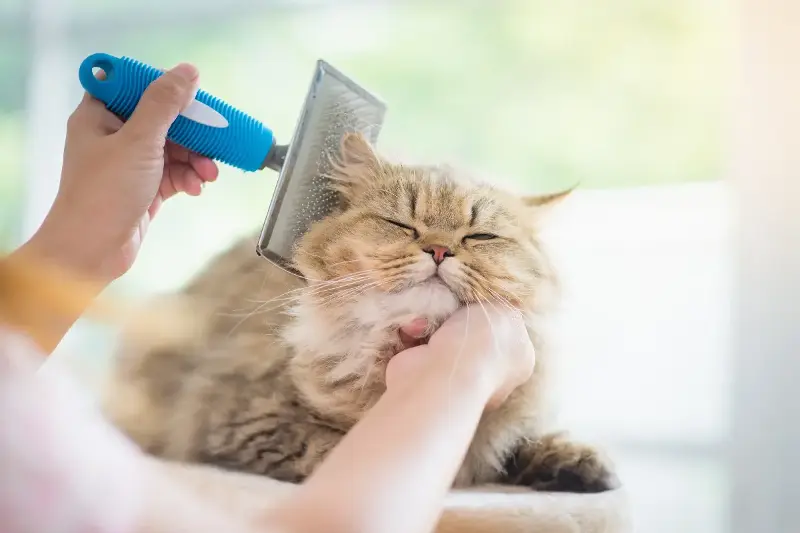
Regular brushing is the single most effective way to manage shedding. Daily grooming sessions remove loose hairs before they end up on your furniture or form uncomfortable hairballs, while beautifully distributing natural skin oils to boost shine and softness.
- Short-Haired Breeds: A soft-bristled brush or a rubber grooming glove can do wonders to sweep away loose fur effortlessly.
- Long-Haired Breeds: Cats like Persians or Maine Coons benefit greatly from a wide-toothed comb followed by a slicker brush to prevent tough tangles.
Gentle strokes are key. Make grooming a positive bonding experience by rewarding your feline friend with praise and healthy treats. Do not overlook the belly, behind the ears, and under the legs where friction mats love to hide. With patience and consistency, most cats will look forward to this extra attention.
THE POWER OF NUTRITION: FEEDING FOR COAT HEALTH
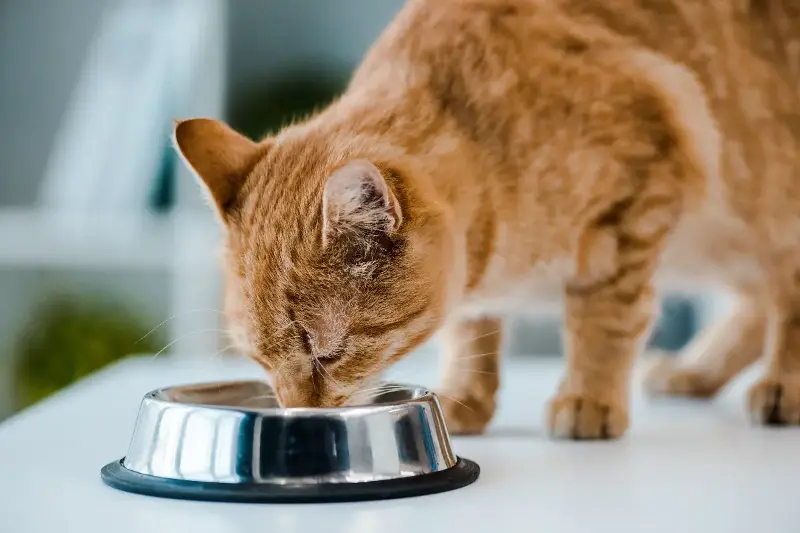
A brilliant, glossy coat always begins in the food bowl. High-quality cat food rich in animal protein and essential omega-3 and omega-6 fatty acids is vital for optimal skin and fur health. Look for premium recipes where real meat is listed as the very first ingredient.
Dietary Boosters: Simple upgrades—like incorporating a little cooked salmon or adding a vet-approved sprinkle of fish oil—can make a dramatic difference in coat sheen over time.
Proper hydration is another crucial secret. Cats are not always enthusiastic water drinkers, but moisture supports skin elasticity and reduces dander. Try using running water fountains, placing multiple water bowls around the house, or adding a splash of fresh water directly to their wet food to encourage extra sipping.
COMBATTING SHEDDING WITH SMART HYGIENE HABITS
Even with excellent food and regular brushing, some shedding is inevitable. Prevention and smart home maintenance go a long way:
- Frequent Vacuuming: Target the specific areas and textiles where your cat loves to take their daily naps.
- Grooming Stations: Offer scratching posts and cat trees, which naturally encourage self-grooming and help loosen trapped fur.
- Bedding Maintenance: Regularly wash your cat’s favorite blankets to avoid a buildup of hair that gets re-deposited onto their clean coat.
Bathing is not necessary for most cats, but an occasional bath during peak shedding season can help. Always use a gentle, cat-safe shampoo and rinse thoroughly to avoid skin irritation. If your cat is highly reluctant, a simple damp washcloth rubbed over their body is an excellent alternative to freshen up their coat without the drama of a full bath.

SPECIAL TIPS FOR HAIRBALL AND ALLERGEN CONTROL
Hairballs are an uncomfortable side effect of a cat's self-grooming routine. Daily brushing is your absolute best defense, but specialized hairball-control cat foods offer helpful dietary fiber to pass swallowed hair smoothly through the digestive system. Natural remedies like specialized malt pastes or a tiny spoonful of plain canned pumpkin can also help manage hairballs naturally.
To reduce household allergens, frequent handwashing and surface cleaning minimize exposure to dander. Utilizing a high-efficiency air purifier in your main living spaces will further capture floating fur and airborne microscopic particles. With a little consistent effort, enjoying your cat’s beautiful, soft fur can be a completely seamless part of your daily routine.