


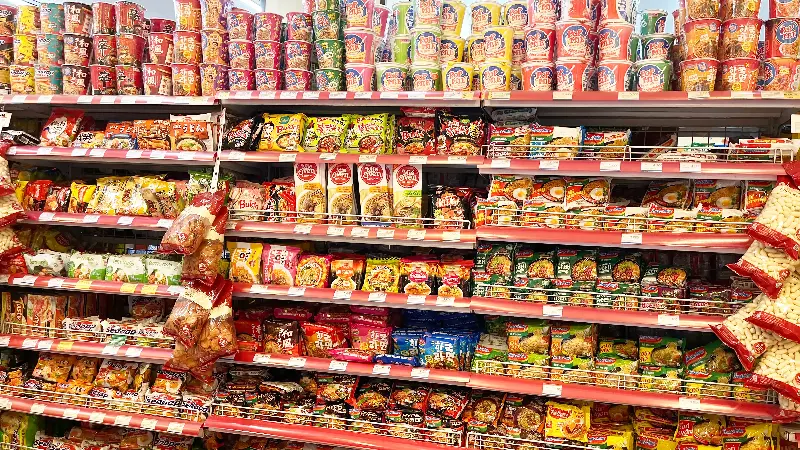
These days, processed foods find their way onto almost every table. From quick-fix frozen dinners to seemingly harmless packaged snacks, convenience is the king guiding many modern plates. But behind those colorful wrappers and ready-to-eat portions hides a layer of mystery about what we’re truly putting into our bodies. Are these quick solutions to our busy lives subtly taking a toll on our long-term health?
THE ALLURE OF CONVENIENCE
Time is precious. After a long day, nobody can blame you for wanting an effortless meal. Grocery store shelves are brimming with ready-made options—from meal kits to microwaveable soups—that claim to help you eat well without the fuss. For parents juggling packed schedules or professionals burning the midnight oil, the craving for a quick bite is universal.
The appeal goes beyond mere speed. Processed foods are masterfully engineered for hyper-palatability, often loaded with:
- Sodium: Used for preservation and flavor enhancement.
- Refined Sugars: To provide instant energy and sweetness.
- Unhealthy Fats: Specifically trans fats and saturated oils for texture.
That irresistible crunch in your favorite chips or the comforting creaminess in jarred pasta sauces are no accident—they’re carefully crafted to keep you coming back for more.

WHAT IS REALLY INSIDE PROCESSED FOODS?
If convenience meals came with a magnifying glass, you’d likely see ingredients you can’t pronounce. Many items are filled with additives designed to extend shelf life and maintain "freshness" on a shelf for months. Common culprits include:
- Preservatives: To prevent spoilage and mold.
- Stabilizers and Emulsifiers: To keep textures consistent and prevent separation.
- Flavor Enhancers: Such as MSG or complex artificial sweeteners.
While many additives are considered safe in small quantities, cumulative over-consumption raises significant red flags. Nutrition labels often reveal startling numbers; a single frozen entrée can pack in half your daily recommended sodium in one sitting, while "healthy" breakfast cereals often brim with hidden sugars.
WHY ARE PROCESSED FOODS LINKED TO HEALTH RISKS?
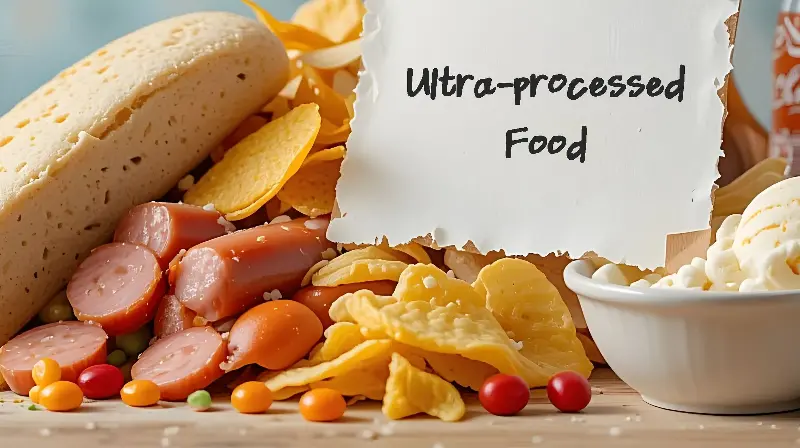
When experts warn about processed foods, they’re mainly talking about ultra-processed products. These are not just cooked or canned; they are fundamentally altered through industrial processes.
-
Common Ultra-Processed Foods: Sodas, sausages, sugar-laden yogurts, chicken nuggets, and candy bars.
Multiple studies now link high consumption of these products to increased risks of obesity, heart disease, diabetes, and certain cancers. The World Health Organization has noted a spike in chronic health problems following the global rise in processed food intake. These foods often "crowd out" nutrient-dense alternatives, leading to a diet low in fiber and vitamins but high in empty calories.
SURPRISING FACTS ABOUT YOUR FAVORITE CONVENIENCE FOODS
Not all processed foods impact our health equally. Some are far less alarming, like frozen fruits, canned beans, or whole-grain breads. Yet, even "diet" or "low-fat" products can be deceiving; these often compensate for lost fat by adding extra sugars or salt to maintain flavor.
- The Salt Trap: A single serving of instant soup can contain more salt than a large bag of potato chips.
- The Fruit Illusion: Many "fruit snacks" contain zero real fruit, relying solely on dyes and corn syrup.
- The Serving Size Secret: Packaging often lists a "serving" as much smaller than a person typically eats, leading to accidental over-consumption of calories.
HOW TO OUTSMART PROCESSED FOODS IN YOUR DIET
The good news is that you don’t have to banish every convenience food to protect your health. Instead, focus on building awareness and making small, sustainable swaps.
- Read the Fine Print: Choose products with shorter ingredient lists and recognizable, whole-food names.
- Prioritize "Better" Processed Foods: Opt for frozen vegetables (without sauces), canned fish in water, and unflavored dairy.
- The Power of Prep: Cooking a batch of grains or chopping veggies ahead of time reduces the "emergency" need for frozen pizzas or drive-thru burgers.
Making a balanced plate is all about proportion. Keep processed foods as occasional helpers rather than daily mainstays. Build your meals around fresh produce, lean proteins, and wholesome carbohydrates.
Ultimately, awareness is your superpower. By knowing what goes into your food, you’re empowered to make better choices day after day. Next time you reach for a quick fix, ask yourself: Is this short-cut worth the long-term cost? Sometimes, the best path is the one that leads to a healthier you.