


Intelligence in the animal world is not a single skill. Some species solve multi-step puzzles, others remember social relationships for decades, communicate with remarkable subtlety, or even recognize themselves in a mirror. Scientists measure animal cognition through observations, controlled experiments, and long-term field research. While no ranking can capture every kind of intelligence, these ten animals repeatedly astonish researchers with the way they think, learn, and adapt.
Chimpanzees
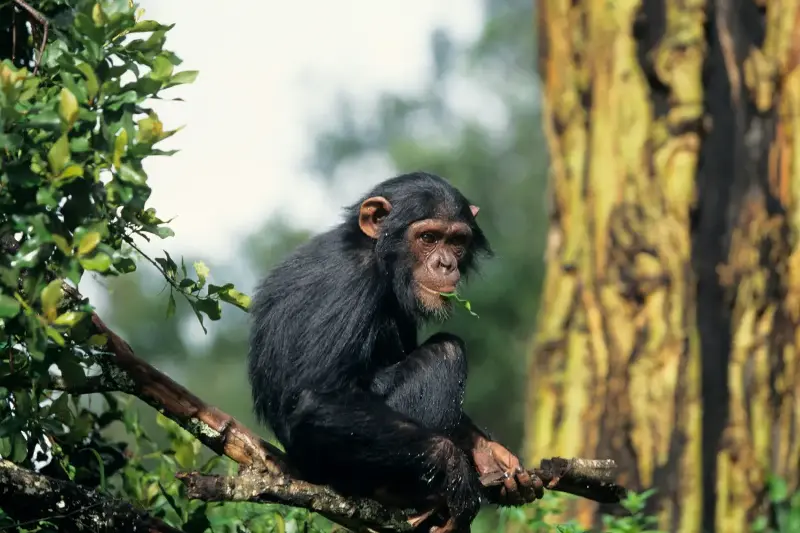
Chimpanzees are among humanity’s closest living relatives, sharing roughly 98.8% of their DNA with humans. Their intelligence is vividly visible in the wild:
-
Tool Crafting: They select sturdy sticks, strip leaves from them, and insert them into termite mounds to "fish" for food.
-
Complex Techniques: They use heavy stone hammers and wooden anvils to crack hard nuts—a skill young chimpanzees take years to master by observing adults.
-
Visual Memory: Studies demonstrate that chimpanzees can recall the location of numbers on a screen faster than many adult humans, revealing an extraordinary form of visual working memory.
Bottlenose Dolphins
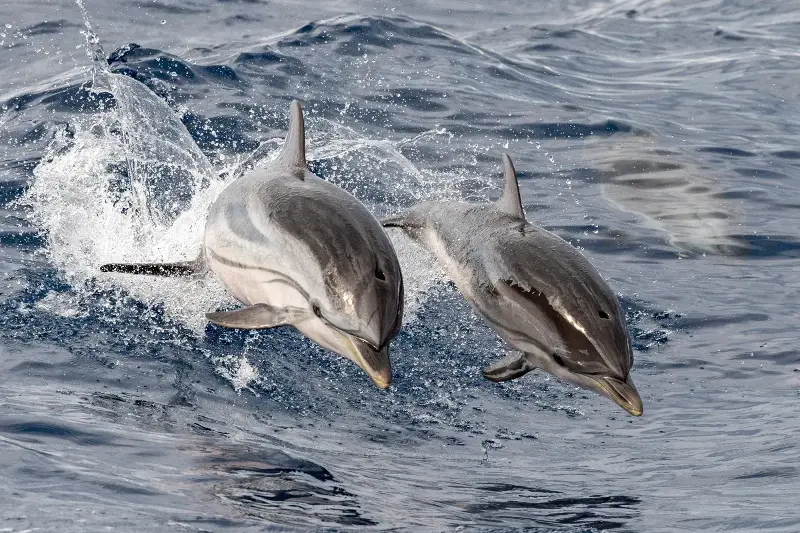
Bottlenose dolphins live in complex social networks and communicate through clicks, whistles, and dynamic body movements.
Each dolphin develops a unique signature whistle that functions much like a name. Other dolphins can mimic that whistle to address a specific individual. Furthermore, dolphins pass mirror self-recognition tests, demonstrating clear self-awareness. In coastal regions, mothers teach their calves to carry natural marine sponges on their beaks to cushion them while foraging along the sea floor—a technique passed down as a local cultural tradition.
Elephants
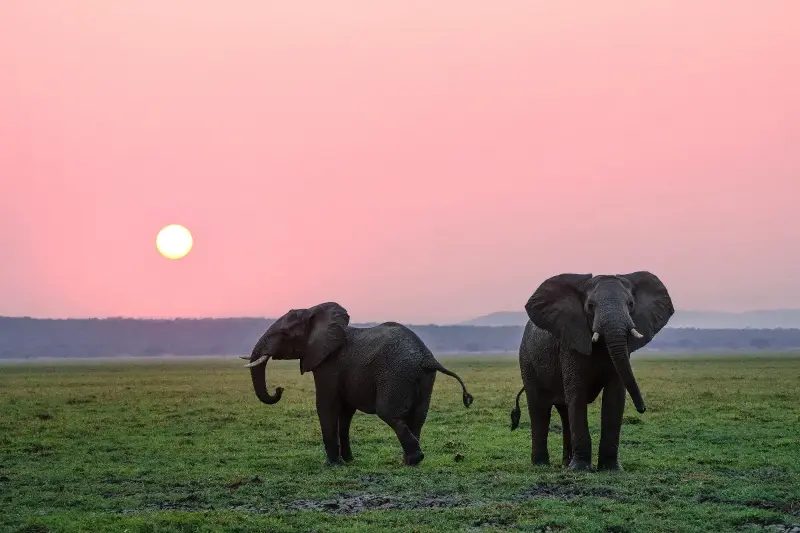
Elephants possess massive brains, but their cognitive strength shines brightest in their memory, empathy, and cooperation:
-
Navational Knowledge: Experienced matriarchs remember the locations of distant water sources across vast landscapes, guiding their herds safely over immense distances.
-
Social Empathy: Elephants actively comfort distressed companions, assist injured herd members, and show deep curiosity toward their surroundings.
-
Linguistic Awareness: They can distinguish between different human languages and recognize individual voices with astounding accuracy.
New Caledonian Crows
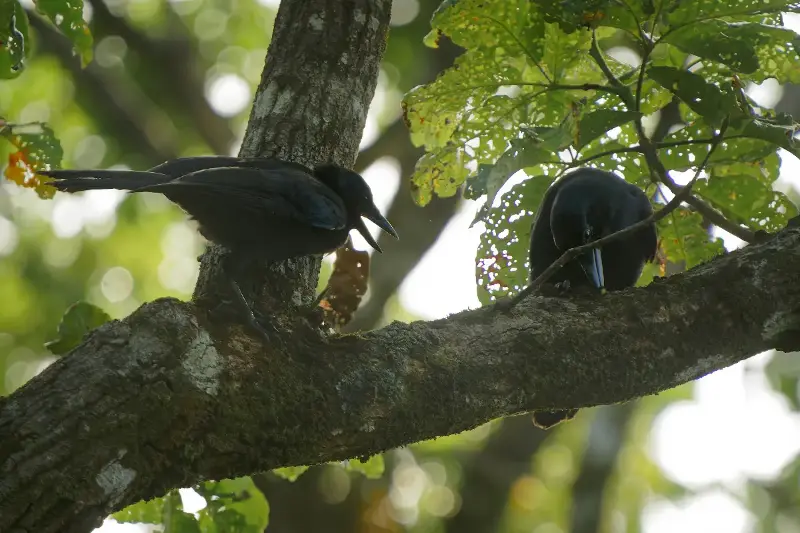
New Caledonian crows are absolute master craftsmen. These clever birds shape twigs into sharp hooks, trim leaves into stepped tools, and use them to retrieve food from narrow crevices.
In laboratory experiments, crows routinely solve complex multi-step puzzles that require using one tool to obtain another. They understand physical cause and effect, such as dropping heavy stones into a tube of water to raise the fluid level—mirroring ancient fables with physical precision.
Octopuses
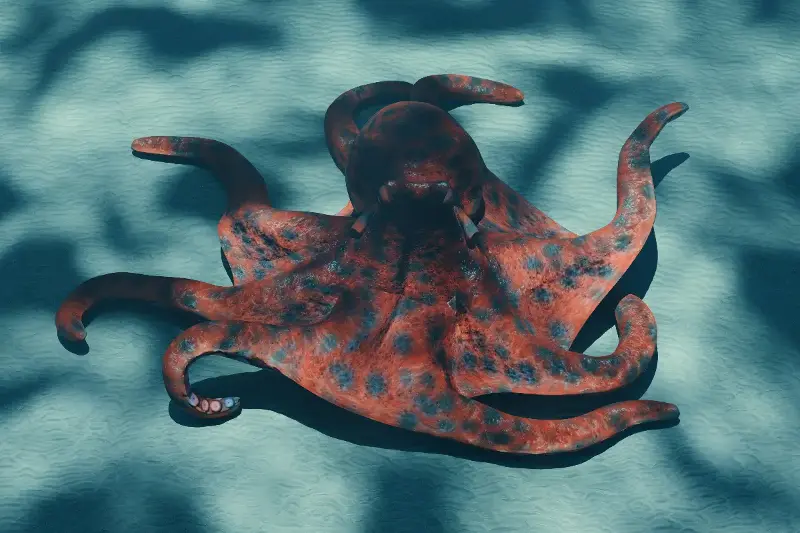
Octopuses represent one of the most unique minds in the ocean. Much of an octopus's nervous system is distributed directly through its eight arms, allowing each arm to process information and move with degree-level independence.
Key intellectual traits of cephalopods include:
-
Problem Solving: They can open childproof jars, navigate complex mazes, and learn by observing peers.
-
Dynamic Camouflage: They change color, skin texture, and body posture in fractions of a second to match their environment.
-
Resourceful Planning: Certain species collect discarded coconut shells and carry them across the sea floor to build portable shelters.
African Grey Parrots
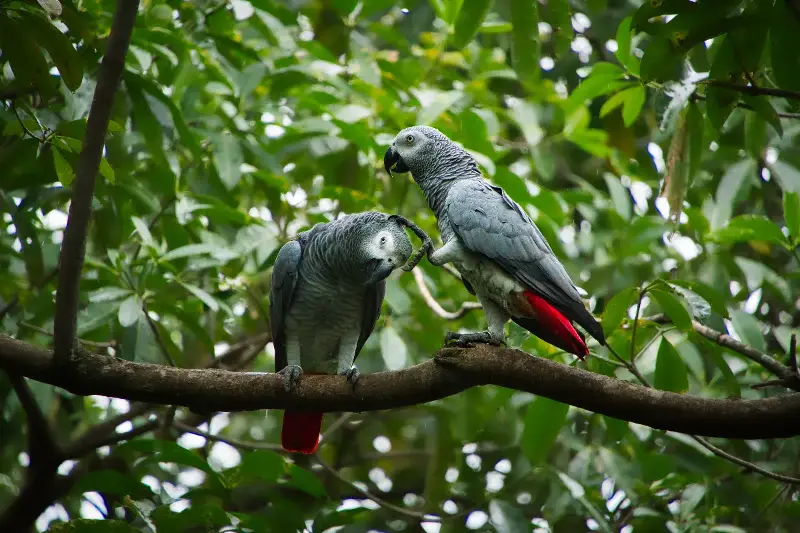
African grey parrots are celebrated for vocal learning, but their talents extend far beyond simple imitation.
The most famous African grey, studied for over 30 years, learned to identify colors, shapes, materials, and quantities, accurately answering questions like "what color" or "how many". These birds associate vocal sounds with genuine abstract concepts. In the wild, flock members use distinct calls to identify one another, coordinate group flight, and navigate changing social structures.
Orangutans
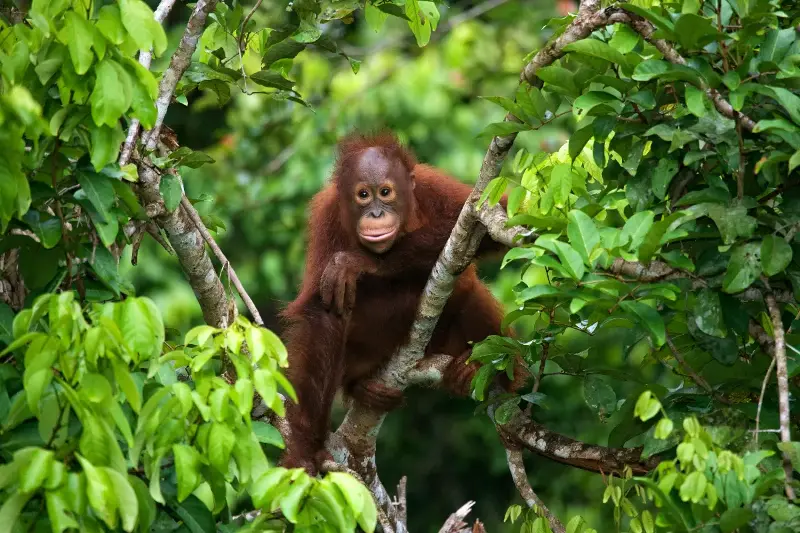
Orangutans are patient, highly analytical problem-solvers with exceptional long-term spatial memory.
In their rainforest habitat, orangutans use leaves as protective gloves when handling prickly fruits, fold leaves into makeshift umbrellas, and select specific branches to build elaborate sleeping platforms high in the canopy. Researchers have found that orangutans plan their travel routes days in advance, successfully mapping out fruiting trees across vast forest expanses. Their deliberate pace reflects careful, strategic decision-making.
Dogs

Dogs have developed a specialized social intelligence through thousands of years of living alongside human companions. They are exceptionally gifted at reading human gestures, facial expressions, and directional pointing cues.
Key cognitive traits include:
-
Vast Vocabulary: Many dogs learn the names of dozens or hundreds of items; famous border collies have demonstrated an understanding of over 1,000 distinct words.
-
Emotional Sensitivity: Dogs respond intuitively to human emotional states, offering comfort and companionship.
-
Cooperative Learning: Their keen awareness makes them exceptional working partners in assistance, rescue, and guiding roles.
Ravens
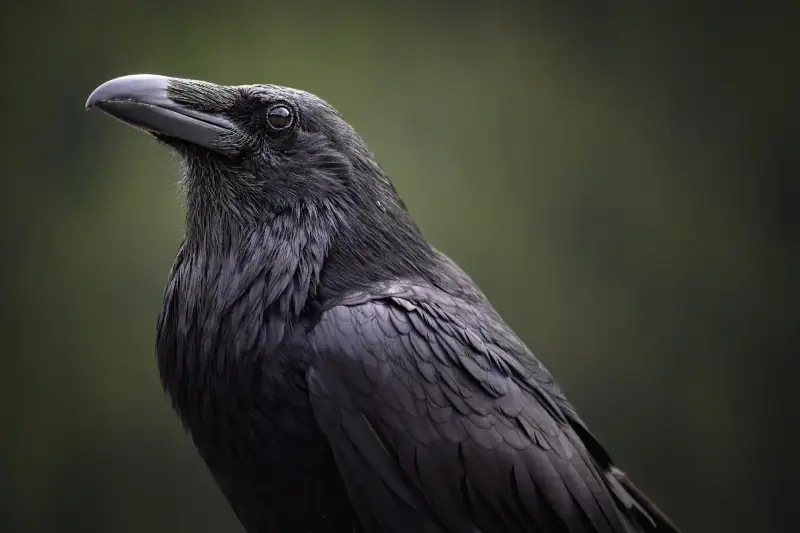
Ravens are renowned for their remarkable foresight and problem-solving abilities. Belonging to the highly intelligent corvid family, these striking birds can plan for future events rather than merely reacting to immediate needs.
In scientific trials, ravens select tools that will unlock food rewards later in the day, demonstrating true advance planning. They can also evaluate social dynamics, remembering which human experimenters are fair traders and choosing to interact only with reliable partners. Their playfulness and curious nature make them stand out as premier avian thinkers.
Sea Otters
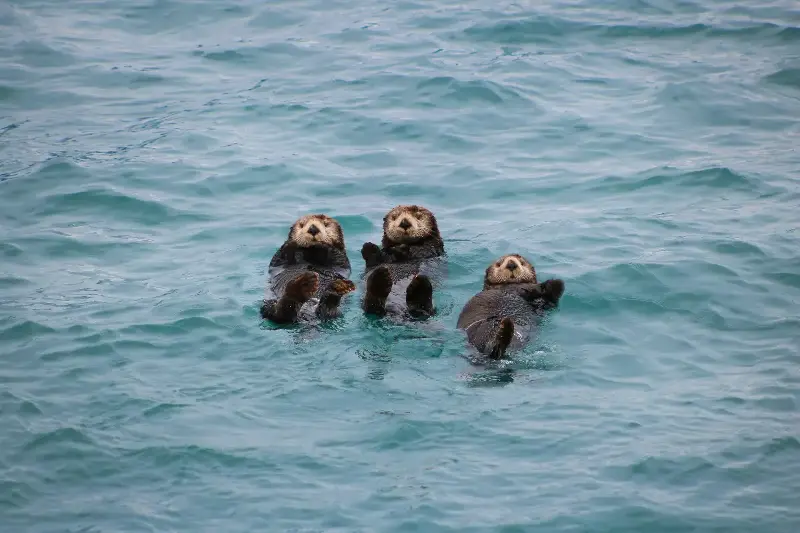
Sea otters display brilliant physical problem-solving skills along marine coastlines. They are one of the few marine mammals to use tools regularly throughout their daily lives.
Sea otters carry a favorite stone tool in a skin pouch under their forearm. They float comfortably on their backs, place the stone on their chest, and use it as an anvil to crack open hard shellfish. This resourceful behavior showcases a refined understanding of leverage, physical objects, and energy conservation in a demanding aquatic ecosystem.
Animal minds are wonderfully diverse. A crow fashioning a hook, an elephant remembering a distant trail, and an octopus opening a sealed container are all examples of elegant solutions to life's challenges. Their abilities remind us that the natural world is filled with thinkers, communicators, inventors, and problem-solvers whose cognitive gifts deserve lasting curiosity and admiration.