




Do you find it hard to sit cross-legged on the floor, climb stairs, get up after sitting for a long time, bend to tie your shoelaces or perform other ordinary everyday movements? These actions go unnoticed as they stay in the background of daily life. But when discomfort arises, it becomes hard to ignore.
To decode the root cause of such joint-related pain, in an interview with HT Lifestyle, Dr Yash Gulati, senior consultant and advisor, orthopaedics at Indraprastha Apollo Hospital, Delhi, shared his insights on the early warning signs of a particular joint condition which is surging among middle-aged adults.
He confirmed that a growing number of adults are reporting such joint-related discomfort. The initial signs may be stiffness, but he cautioned that it may lead to joint degeneration soon.
ALSO READ: Orthopaedic doctor shares 6 common workout mistakes you make which increase joint injury risk
Understanding joint degeneration
“Across orthopaedic clinics, specialists are seeing more people in their 40s and 50s seeking help for knee pain, reduced flexibility, back discomfort and movement-related concerns that were once associated with much older age groups,” he mentioned the most common complaints in clinics and how it showcases the rise of this particular condition.
The orthopaedic doctor also brought to attention that joint degeneration rarely begins with severe pain. Instead, it often develops gradually through symptoms that many people dismiss as a consequence of ageing, a busy lifestyle or lack of exercise.
Early warning signs
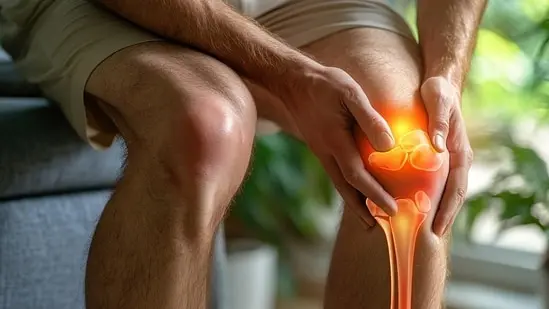
Dr Gulati listed these common signs:
- Difficulty sitting cross-legged or squatting
- Pain while climbing or descending stairs
- Morning stiffness or stiffness after prolonged sitting
- Reduced flexibility and range of motion
- Occasional swelling around the joints
- A grinding or clicking sensation during movement
These symptoms should not be ignored if they persist. Many patients seek medical attention only when pain begins affecting their daily activities, but Dr Gulati assured that early diagnosis provides an opportunity to preserve joint function and prevent further deterioration.
Debunking myth
In fact, Dr Gulati also cleared the misconception that knee pain or joint wear-and-tear will eventually lead to surgery. “When identified early, many joint-related issues can often be managed through physiotherapy, strengthening exercises, weight management and other measures aimed at protecting joint function. The focus is increasingly on helping people stay active and maintain mobility for as long as possible,” he elaborated. The doctor actually reiterated that one of the biggest mistakes people make is waiting until pain becomes difficult to ignore. When you act early, the treatment outcome is also better.
Note to readers: This article is for informational purposes only and not a substitute for professional medical advice. Always seek the advice of your doctor with any questions about a medical condition.