




Busy schedules often leave working professionals with little time for exercise during the week. This leads to many packing their weekends with intense fitness goals.
Also Read | Can excessive sweating during summer increase your risk of UTIs? Urologist Dr Abhinav Jain explains
While staying active is beneficial, suddenly pushing the body through intense gym workouts after days of inactivity places excessive stress on ageing joints, Dr Harish Talreja, consultant at the department of orthopaedics, Manipal Hospital, Jaipur, shared with Ht Lifestyle.
“This pattern of living a ‘weekend warrior’ lifestyle increases the risk of cartilage, inflammation and chronic joint conditions, especially in middle-aged and older adults who underestimate the importance of consistency,” he stated.
The doctor went on to elaborate on how such occasional active bouts affect the body, and who should be more careful about it.
Effect of sudden bursts of exercise on ageing joints
According to Dr Talreja, sudden bursts of exercise place ageing joints under excessive stress
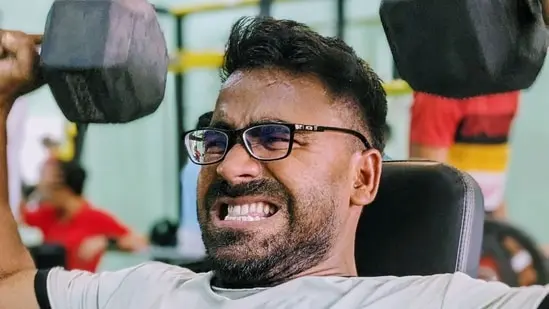
“After a whole week spent working on your desk, heavy weightlifting or high-intensity workouts overload your joints that have not been conditioned consistently,” he shared.
“Ageing cartilage loses some elasticity and shock-absorbing ability, making structures like the knees, hips, and shoulders more vulnerable. This abrupt increase in physical load triggers inflammation and microtrauma.”
Over time, repeated sessions of stressful workouts accelerate joint conditions like osteoarthritis, especially among adults who start strenuous exercise without a little warm-up or adequate recovery, cautioned the doctor.
The impact on the overall body with age
As people age, their muscle mass and bone density decline naturally, while tendons and ligaments become less flexible. These physiological changes reduce joint stability and prolong healing after exercise-induced stress.
As per Dr Talreja, “‘Weekend warrior syndrome’ people experience delayed onset muscle soreness, stiffness, and discomfort that persist for days. In some cases, underlying conditions like tendinopathy, meniscal degeneration or early cartilage deterioration remain unnoticed until symptoms worsen.”
“Without regular activity throughout the week, the body struggles to adapt to sudden intense sessions it goes through in one day.”
Warning signs that should not be ignored
“Persistent discomfort during or after exercise indicates that joints are under excessive strain. Recognising symptoms early helps prevent long-term damage,” observed Dr Talreja. The signs to recognise include:
- Persistent Pain: Pain that continues for several days after exercise suggests inflammation or structural stress rather than normal muscle soreness.
- Swelling and stiffness: Joint swelling, reduced range of motion and morning stiffness point towards synovitis or cartilage irritation.
- Clicking or instability: Frequent popping sensations or a feeling that the joint is giving way may signal ligament weakness or degenerative changes.
- Reduced performance: Difficulty completing routine movements or prolonged fatigue indicates inadequate recovery and overloading.
According to the orthopedist, consistency matters more for long-term health.
“Activities like walking, cycling, yoga and resistance training, when performed consistently, offer sustainable benefits. Adequate warm-ups, gradual progression and small breaks are equally important,” he shared.
“Maintaining a balanced exercise routine also lowers the risk of exacerbating preexisting joint conditions while promoting cardiovascular health and overall well-being, making fitness easier to sustain in the long run.”
While ‘weekend warriors’ may feel productive after a few hours in the gym, irregular bursts of strenuous exercise place unnecessary strain on the joints. It can be brushed off, but later, at a certain age, this ignorance will worsen the body's condition suddenly without any warning. So adopting a balanced routine spread across the week helps improve strength, flexibility and overall wellbeing while minimising injury risk.
Note to readers: This article is for informational purposes only and not a substitute for professional medical advice. Always seek the advice of your doctor with any questions about a medical condition.